
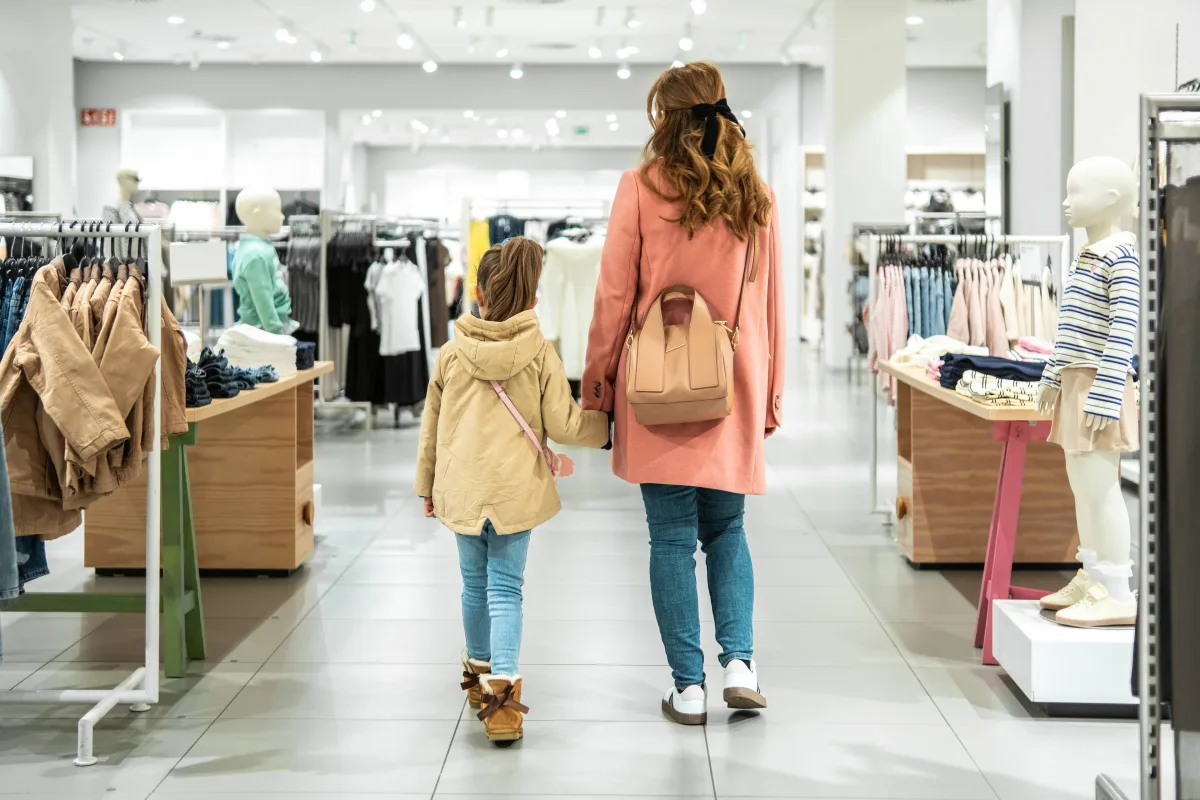
Why is Carter's shrinking its store network?
Carter's closed 29 stores in the U.S. and opened four new locations in the first two quarters of fiscal 2026. After the company narrowed its full-year outlook, investors focused on the one-time revenue boost and the stock fell more than 8%.
Founded in 1865 and one of North America's largest childrenswear manufacturers, the company operated 1,042 company-run retail stores in the region as of July 4, 2026. Management is targeting better store efficiency by closing locations with high rent burdens and low margins.
How big is the closure plan?
As part of a cost-cutting program launched in the third quarter of 2025, the company plans to close about 150 low-margin stores in North America by 2028. Carter's said it closed about 35 stores whose leases expired in 2025 and expected total closures for the year to reach roughly 100.
The move comes at a time when parents are increasingly choosing to shop in one place at mass-market chains such as Target and Walmart rather than at specialty clothing stores. According to Capital One Shopping data, as many as 87% of traditional shopping malls could be at risk of closing over the next decade.
What did the financial results tell the market?
Operational figures painted a mixed picture. Carter's reported a 5.1% increase in comparable U.S. sales in the second quarter of 2026, marking its fifth straight positive quarter.
Where did the profit increase come from?
Operating profit rose from $4.0 million in the second quarter of 2025 to $139.8 million. But most of that jump came from a $128 million one-time government refund related to tariffs paid previously; excluding that effect, adjusted operating profit increased from $11.8 million to $18.1 million.
Carter's also remained profitable in 2025, lifting net sales from $2.844 billion to $2.898 billion. The company also returned $18 million to shareholders through dividends in the first half of fiscal 2026.
Even so, new and ongoing tariff costs and the narrower year-end outlook outweighed the positive sales data in the market. Investors therefore priced in the one-time refund more heavily than the underlying strength in the results.
How are consumer trends and sales channels changing?
Pressure on household budgets is also changing buying habits in the childrenswear market. According to Deloitte, 80% of planned back-to-school spending is now going to major retailers.
How are partnerships with big retailers standing out?
Carter's is responding not only by reducing store count, but also by maintaining its reach through major retailers and e-commerce channels. The company’s channel-specific product lines include:
- Just One You by Carter's for Target
- Child of Mine by Carter's for Walmart
- Simple Joys by Carter's for Amazon
This distribution model helps Carter's meet parents' demand for both affordability and convenience while making it easier to move away from high-cost standalone stores. McKinsey data also shows that apparel is one of the categories consumers plan to cut back on the most.
"""




Comments (0)
No comments yet. Be the first to comment.
Write a Comment
Yorum yazmak için giriş yapın. Üyelik ücretsiz; yorumunuz editör onayından sonra yayımlanır.