
Product backlash takes center stage in pressure on the stock
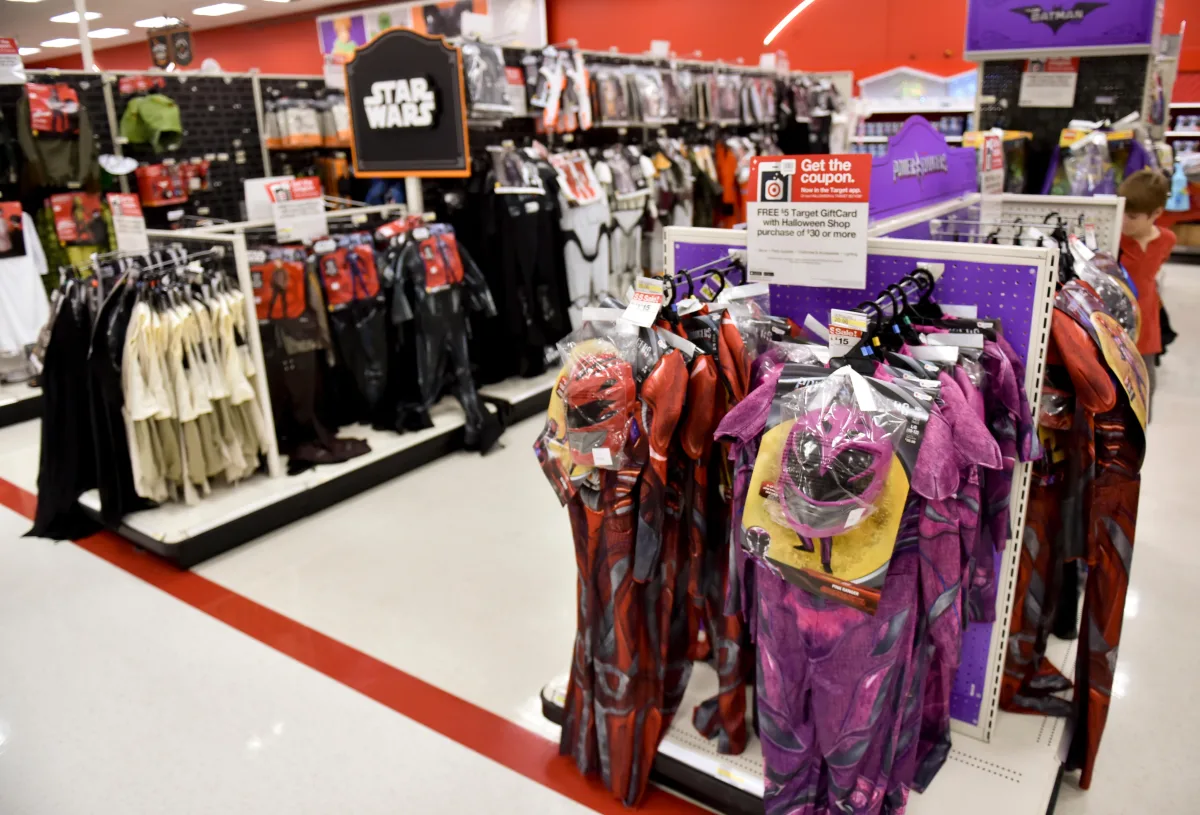
Target shares came under pressure after the company pulled a children’s Halloween costume that drew criticism and apologized to the public. The move, on a day when the broader US stock market was relatively resilient, suggested investors are still pricing in reputational risk.
Target said it had removed a circus clown costume from its website after some consumers linked it to the racist “minstrel” image. In its statement, the company said the item should never have been sold and said it was reviewing its process to prevent a similar issue from happening again.
What stood out to the market was that the weakness in the stock appeared without an analyst downgrade or a fresh ratings cut. That suggested the speed at which consumer backlash can spread on social media may now pose a direct market risk for large retailers.
Negative headlines collided with a recovery story
The latest controversy came at a time when the company had been showing signs of operational improvement. In results released earlier this month, Target posted profit above expectations and reported sales growth across all product categories, with beauty and food among the strongest performers. Store traffic also increased, the company said.
The retailer also raised its full-year sales and earnings outlook. Management said the steps taken over the past two quarters had been well received by customers, adding that the goal was not just a few strong quarters but long-term revenue growth.
Steps taken on merchandising
According to Jefferies analyst Corey Tarlowe, the company has taken a series of steps to refresh its product mix since early 2026:
- The wellness assortment was expanded.
- 3,000 beauty products across 60 new brands were added.
- 75% of home decorative accessories were reorganized.
- Product innovation was accelerated in food and beverages.
- More than 50% of the back-to-school collection was made up of new products.
The key question for investors: Is the reputational hit lasting?
Despite the improvement in the financial outlook, a string of controversies is keeping questions about the company’s internal processes in focus. For investors, the main risk is that possible gaps in product oversight and internal approval mechanisms could put more lasting pressure on sales momentum and valuation over time.
As a result, the market will be watching not only the strong balance sheet, but also how quickly management can put structural safeguards in place to prevent similar crises. In the near term, the stock’s volatility is likely to remain driven by both the operational recovery and brand reputation.
"""




Comments (0)
No comments yet. Be the first to comment.
Write a Comment
Yorum yazmak için giriş yapın. Üyelik ücretsiz; yorumunuz editör onayından sonra yayımlanır.