
How would the state pension formula change after 2030?
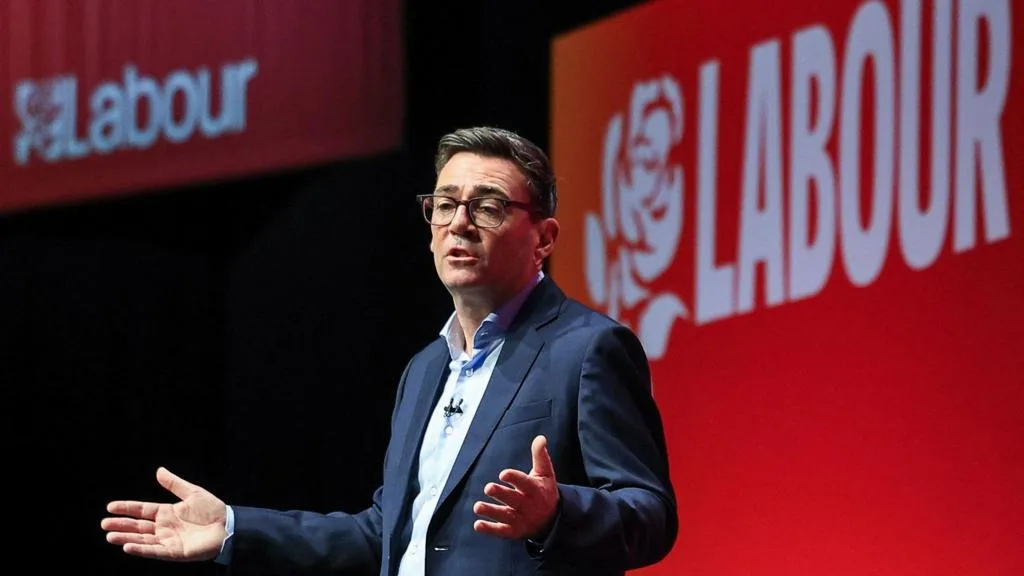
Andy Burnham, in his first Labour conference speech as prime minister, said he plans to revise the state pension system known as the triple lock from 2030. Under the proposal, pensions would continue to rise by at least inflation or 2.5% each year, but the automatic link to average wage growth would be removed.
The current system raises state pensions every April by whichever is highest: inflation, wage growth or 2.5%. Burnham’s proposal aims to create fiscal room by removing the wage-growth element from the framework that has been in place since 2010.
- Inflation protection would remain in place for annual increases.
- The 2.5% minimum increase would be retained.
- The automatic uplift tied to average earnings would end after 2030.
What does the savings calculation show?
Officials estimate the change could save £15 billion a year by 2040. Jonathan Cribb of the Institute for Fiscal Studies (IFS) said the savings would be limited in the early years and grow significantly over time, but may not be enough on their own to fund universal social care in the next parliament.
Why has the care reform funding sparked debate?
Burnham said he wants to put the promise of a national care service in England, free at the point of use, before voters in 2029. He stressed that the model would be paid for within the budget rather than through borrowing, arguing that older people with only the state pension, or income close to it, are currently facing care fees and that the new plan is intended to reduce that burden.
The prime minister acknowledged the move could carry a political cost, while unions and the opposition raised different objections. Critics focused on whether the care reform would amount to a transfer of resources that disadvantages the lowest-income pensioners.
- Unite General Secretary Sharon Graham argued that other sources, such as a wealth tax, should be considered instead.
- Conservative Party leader Kemi Badenoch claimed the plan would make new tax rises unavoidable.
- Liberal Democrat leader Ed Davey said families could not wait for another election and that the burden should not fall on the poorest pensioners.
More public control sought in water, housing and energy
Burnham said his speech went beyond pensions and care. He said legislation would be brought to Parliament to remove obstacles to public ownership in water companies, marking the start of a different 10-year transformation of the water system.
His plans also include rules that would make it easier for councils to take over badly maintained private rental homes from landlords who fail to act after warnings. Burnham also called for stronger public oversight of housing, water and energy services, and said he believed Brexit had produced negative economic and political consequences, raising the prospect of closer ties between the UK and the European Union.
"""



Comments (0)
No comments yet. Be the first to comment.
Write a Comment
Yorum yazmak için giriş yapın. Üyelik ücretsiz; yorumunuz editör onayından sonra yayımlanır.