
Why is the triple lock back in the spotlight?
The future of the state pension increase mechanism known in the UK as the triple lock has once again become a political talking point after the prime minister’s Sunday morning interview with the BBC. The government’s search for funding for a new national social care service has strengthened expectations that the long-protected system could be changed in the next parliament.
Under the policy, the state pension rises every April by at least 2.5%, or by whichever is higher of inflation or wage growth. According to assessments cited in the source, the arrangement in theory runs until the end of the current parliament.
What is the budget burden and the possible market impact?
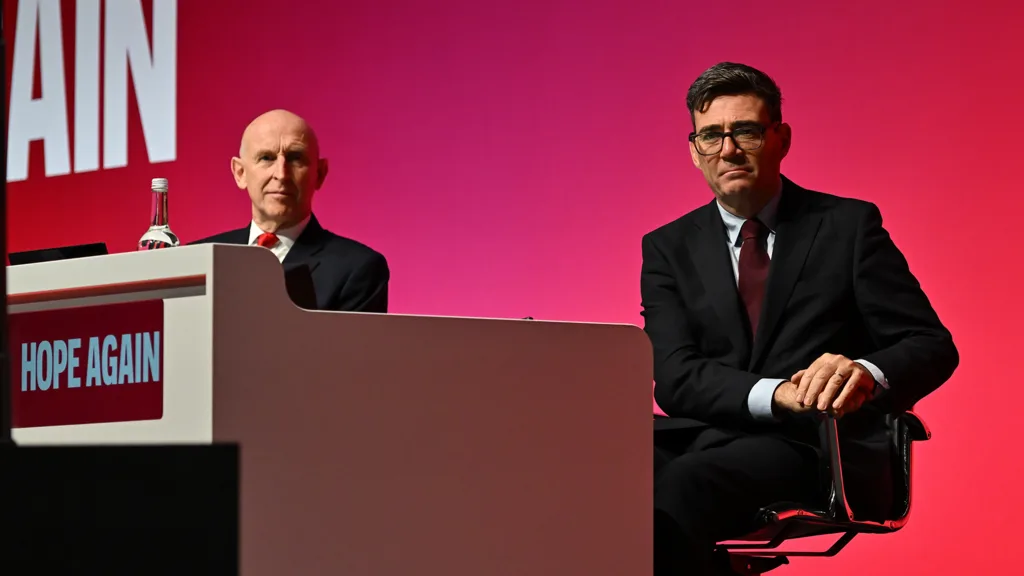
On the Labour side, Andy Burnham said he would put difficult choices into the party’s next general election manifesto to help fund a new national care service and would seek a mandate for it in the next parliament. Asked by BBC News whether changes to the system were possible, Chancellor of the Exchequer John Healey said: “We have to reduce welfare costs.”
Economists and some former ministers argue that abolishing the system, or signalling that it could be changed later, could send a message of fiscal discipline to bond markets, where highly indebted countries are under pressure. Breaking the perception that the UK has been putting off hard long-term decisions is also seen as part of the economic stakes in the debate.
The annual cost, which has reached £15.5 billion, is said to be roughly three times the original estimate for 2030. Volatility in prices and wages is one of the main reasons the burden has grown faster than expected.
What variables would determine any savings?
Analysts say linking the system only to wage growth could generate annual savings of tens of billions of pounds over the long term. But how much of that could actually be used to fund social care will depend directly on the scope of the new plan, how generous any formula replacing the triple lock would be, and the future path of inflation and wage growth.
- How broadly the national care service is designed
- The level of any system replacing the triple lock
- Long-term volatility in inflation and wage growth
Why are the political risks seen as so high?
Although Westminster insiders say there are arguments that the Osborne-era policy is not economically sustainable, they also note that it would be politically difficult to retreat because it provides income security for pensioners. Pension campaign groups, meanwhile, stress that even with the increases, the UK state pension is not especially generous by international standards.
Some former ministers argue that redirecting pension savings into in-kind social care services could change the terms of the debate. No final decision has been announced, but there are already signs that what was once considered politically unthinkable is now being openly weighed.
"""




Comments (0)
No comments yet. Be the first to comment.
Write a Comment
Yorum yazmak için giriş yapın. Üyelik ücretsiz; yorumunuz editör onayından sonra yayımlanır.