
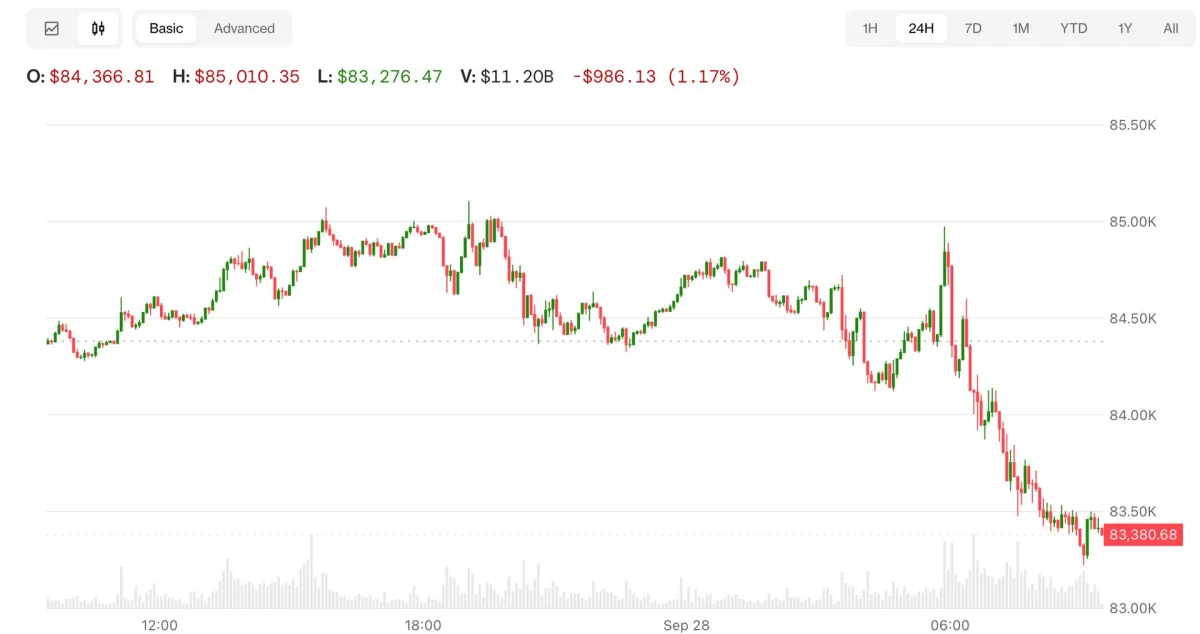
Geopolitical tensions weakened risk appetite
Bitcoin and Nasdaq futures fell in early trading after U.S. President Donald Trump made comments that did not rule out fresh attacks on Iran. The rise in geopolitical risk kept concerns about energy supply and the inflation outlook alive, while investors once again turned their attention to global growth and the interest-rate path.
Iran presented a proposal at the United Nations General Assembly for the Strait of Hormuz, which has been disrupted by war, to be reopened for seven days, for hostilities to pause and for broader negotiations to begin afterward. Trump rejected the offer, arguing that Tehran was seeking a deal under intense pressure, and stressed in a Truth Social post that Iran could not be allowed to have nuclear weapons.
10-year Treasury yield hits its highest level since 2007
Uncertainty since the war began in early March has fueled inflation concerns in markets. That backdrop has increased expectations of tighter monetary policy and concerns over borrowing risks, while also intensifying selling pressure in U.S. Treasuries.
- 5.20%: level reached by the U.S. 10-year Treasury yield
- 127 basis points: increase recorded since early March
The level stands out as the highest seen for the 10-year yield since 2007. Markets continue to price in the pressure that higher rates could place on risky assets, especially technology stocks.
Bitcoin still stands out in quarterly performance
Even as pressure built across the crypto market, Bitcoin delivered a strong rebound in the third quarter after its earlier decline in the year. Up 42% over the past three months, the asset outperformed every major asset class, including Nasdaq and gold.
Analysts are now watching upcoming macroeconomic data for the next move. Changes in geopolitical risk, inflation and expectations for the Fed are likely to shape short-term pricing in the crypto market.
Short-term support and resistance levels to watch
Vikram Subburaj, chief executive of India-based exchange Giottus, said the 83,800-84,000 range is an important short-term support zone, while 85,000-85,800 is the first resistance area. Subburaj said, “It may be more prudent not to chase the rally at current levels.”
"""




Comments (0)
No comments yet. Be the first to comment.
Write a Comment
Yorum yazmak için giriş yapın. Üyelik ücretsiz; yorumunuz editör onayından sonra yayımlanır.