
Borton & Sons dosyasında hangi adımlar yer alıyor?
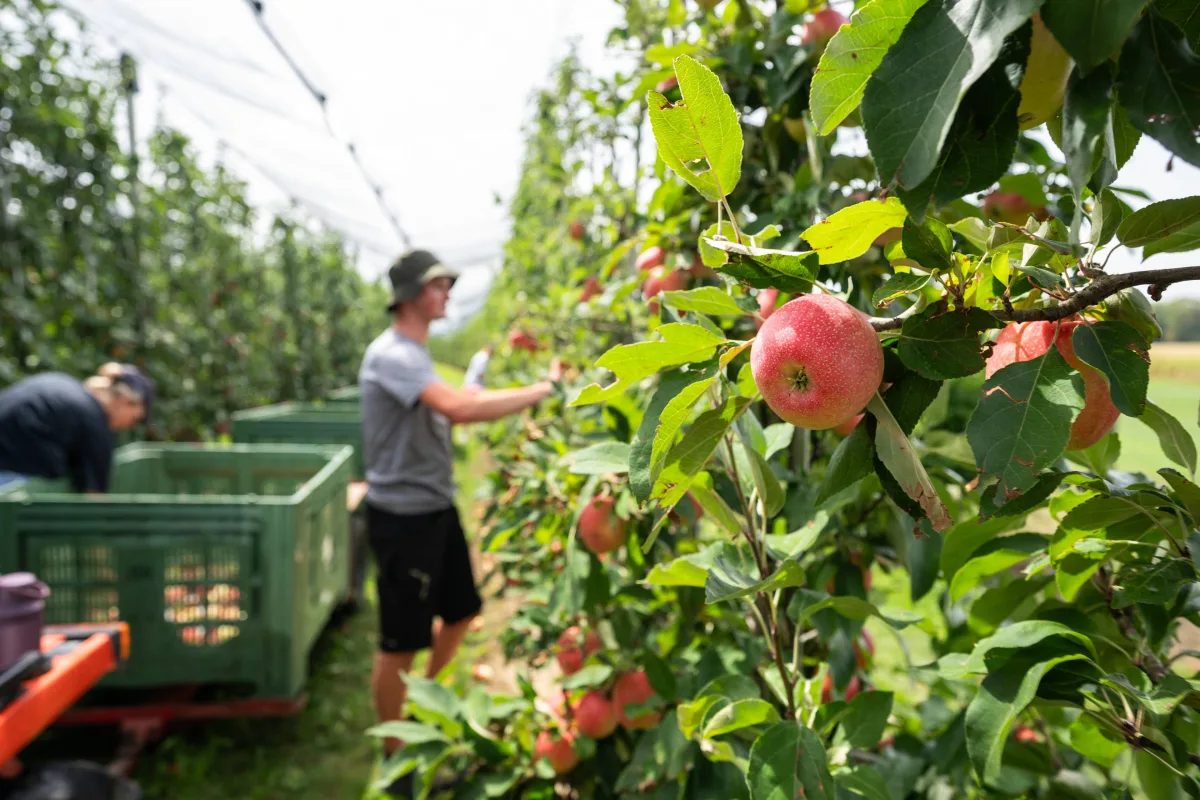
Borton & Sons, Washington eyaletindeki faaliyetlerinde çalışan 928 H-2A tarım işçisini kasım ayında işten çıkaracağını WARN bildirimiyle duyurdu. Planlamaya göre çıkışlar 8-15 Kasım arasında birden fazla üretim ve paketleme noktasında uygulanacak.
Etkilenen çalışanlar, federal H-2A programı kapsamında istihdam edilen genel tarım işçileri olarak tanımlandı. Bu program, ABD'de yeterli işgücü bulunamadığında tarım işletmelerine geçici ya da mevsimlik yabancı işçi çalıştırma imkânı veriyor.
İşten çıkarmanın kapsamı ve belirsizlikler
Şirketin bildirimine göre süreç şu merkezleri kapsıyor:
- Yakima, Zillah, Pasco ve Burbank
- Prescott, Soap Lake, Othello ve Mesa
Borton, hasat sonrası mevsimsel işten çıkarmaların tarımda olağan olduğunu kabul etti. Ancak bu bildirimdeki dikkat çekici unsur, tüm 928 ayrılığın kalıcı olarak sınıflandırılması oldu; şirket, 2027 yılı için belirli bir geri çağırma tarihi ya da net personel ihtiyacı tanımlamadı.
Şirket ayrıca hava koşulları, ürün durumu ve hasadın kalan bölümündeki çalışan sirkülasyonu nedeniyle ilave yerli işçilerin etkilenip etkilenmeyeceğinin henüz net olmadığını bildirdi. Bu durum, işgücü planlamasının sezon sonuna kadar değişebileceğine işaret ediyor.
Washington tarım işgücü verileri daha geniş tabloda ne gösteriyor?
Eyaletin İstihdam Güvenliği Departmanı verilerine göre, Kasım 2024-Kasım 2025 döneminde Washington'da tarımla bağlantılı 20 işten çıkarma bildirimi yapıldı ve bunlar çoğu mevsimlik olmak üzere 14.831 çalışanı etkiledi. Bu dosyalar yalnızca çiftlikleri değil, tarım işverenlerine hizmet sunan kuruluşları da kapsadı.
Benzer büyüklükteki diğer bildirimler
- Stemilt Ag Services: 1.561 mevsimlik H-2A tarla işçisi
- AgriMACS: 1.368 çalışan
- Gebbers Farms: 3.465 çalışan
- FirstFruits: 1.200 çalışan
Bu veriler, Borton'ın dosyasının büyük olmasına rağmen Washington tarımında tekil bir istisna olmadığını gösteriyor. Eyalet yetkilileri, geçmişte mevsimlik işten çıkarmaların federal kurallar nedeniyle her zaman WARN kayıtlarına yansımadığını, raporlama değişiklikleriyle bu dalgalanmaların daha görünür hâle geldiğini belirtiyor.
Ücret politikası ve meyve piyasası açısından etkisi ne olabilir?
ABD Çalışma Bakanlığı, 2025'te H-2A ücret hesaplama yöntemini değiştirdi. Geniş eyalet ya da bölge ortalaması yerine İstatistik Bürosu verilerine dayanan ve giriş düzeyi ile deneyimli çalışan ayrımı yapan sisteme geçildi; işverenin sağladığı konutun değerinin ücret hesabına dâhil edilebilmesi de nakit ödeme üzerinde etkili olabiliyor.
Washington'un H-2A işgücündeki payı da yüksek. Çalışma Bakanlığı verilerine göre eyalet, 2025 mali yılının ilk üç çeyreğinde ülke genelindeki onaylı H-2A pozisyonlarının yaklaşık %9'unu oluşturdu.
Bu işgücü, ABD'nin en büyük meyve pazarlarından birini destekliyor. USDA verilerine göre Washington, 2025'te kullanım için yaklaşık 7,16 milyar pound elma üretti; bunun çiftlik düzeyindeki değeri 1,89 milyar dolar oldu. Taze pazara giden yaklaşık 5,66 milyar pound ürünün değeri ise 1,75 milyar dolar olarak kaydedildi.
Veriler, market raflarındaki sürekliliğin arkasında oldukça dalgalı bir istihdam takvimi bulunduğunu ortaya koyuyor. Hasat penceresi daraldığında hem üreticilerin işgücü maliyetleri hem de çalışanların gelir sürekliliği aynı anda baskı altında kalıyor.






التعليقات (0)
لا توجد تعليقات بعد. كن أول المعلقين.
اكتب تعليقاً
Yorum yazmak için giriş yapın. Üyelik ücretsiz; yorumunuz editör onayından sonra yayımlanır.