
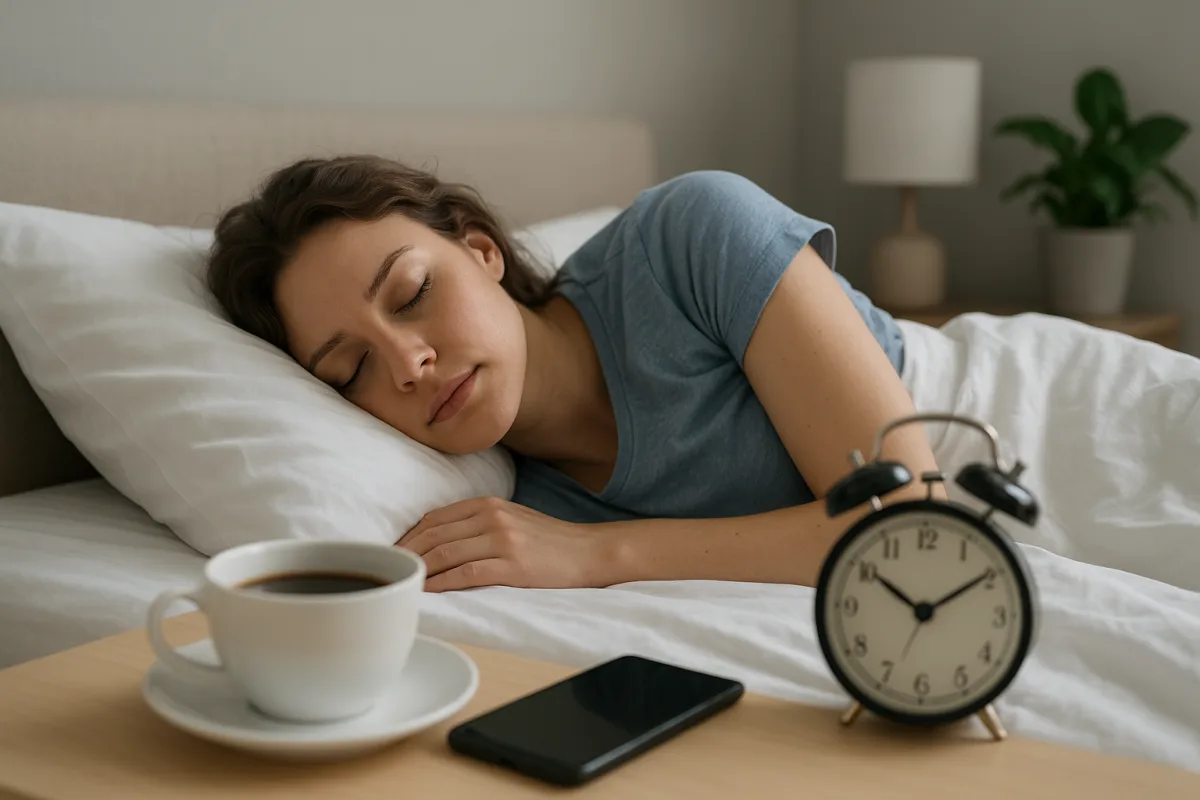
What does sleep hygiene mean?
Sleep hygiene is the set of habits and environmental conditions that make it easier to fall asleep and support more uninterrupted rest through the night. The goal is not simply to spend more time in bed, but to build sleep quality that helps you wake up feeling refreshed in the morning. In particular, an irregular lifestyle, heavy screen use and poor evening routines can disrupt the body’s natural sleep pattern.
Sleep is not just a matter of closing your eyes and resting. The brain, nervous system, hormones and the body’s internal clock all work together during this process. The shift between daylight and darkness affects the brain centers that control the sleep-wake cycle; as evening approaches, the body prepares for sleep, while toward morning the tendency to wake up grows stronger.
When this cycle is disrupted, a person may go to bed but still struggle to fall asleep, wake up frequently during the night or feel unrefreshed in the morning. That is why good sleep is not about a single trick, but about a set of connected habits.
How does the body’s sleep system work?
The main role in sleep timing is played by the circadian rhythm, also known as the biological clock. The brain senses the amount of light during the day through the eyes and adjusts the sleep-wake cycle accordingly. As light decreases in the evening, the body prepares for sleep; bright light, on the other hand, can delay that process.
Another important mechanism is the buildup of sleep pressure throughout the day. As the brain stays active, feelings of fatigue increase and the body begins to feel the need for rest more clearly. Some substances such as caffeine can mask these natural signals, which is why a person may not notice how tired they are.
Why are regular sleep times important?
Going to bed and waking up at roughly the same time every day makes it easier for the brain to predict when to relax and when to stay alert. When there are large differences between weekdays and weekends, the body clock can struggle to readjust. This can lead to grogginess, trouble falling asleep and daytime distraction, especially on transition days like Monday.
When the bed is associated only with sleep, the brain is more likely to link that space with rest. By contrast, spending long periods on the phone, working or doing mentally demanding tasks in bed can weaken that association.
How do light, screens and evening routines affect sleep?
Bright light in the evening, especially blue-heavy light from screens, can make the brain feel as if it is still daytime. This may delay sleep preparation and make it harder for a person to relax even after getting into bed. For that reason, dimming the lights as the evening goes on, reducing screen time and stepping away from mentally draining content can be helpful.
Phones, tablets, computers and televisions affect sleep not only because of the light they emit, but also because of the content they deliver. Fast-moving images, social media feeds, work messages or stressful news can keep the nervous system in a heightened state. In other words, the issue is not only looking at a screen, but keeping the brain constantly on alert.
How should an evening routine be built?
A short, repeated pre-sleep routine sends the body the message that the day is over. Taking a warm shower, listening to calming music, doing a light stretch or reading a printed book may help some people relax. The key principle is to choose habits that slow the mind down rather than speed it up.
- Limit bright screens as much as possible close to bedtime
- Keep the room lighting low and calm
- Reduce work, studying and heavy messaging before sleep
- Create a similar relaxation sequence every night
Why do bedroom conditions matter so much?
The sleep environment is often more important than people realize. A room that is too hot, too bright or noisy can make it harder to fall asleep and stay asleep. As the body transitions into sleep, it adjusts temperature regulation and muscle tone differently; for that reason, a cool, well-ventilated and quiet environment is more suitable for many people.
The pillow, mattress and room layout also matter for physical comfort. Neck pain, back discomfort or the need to change positions frequently can increase night-time awakenings. Keeping the room as dark as possible, reducing irregular sources of noise and using the bed only for sleep are among the basic steps for those who want to sleep better.
Daytime habits affect the night
Sleep hygiene is not limited to rules followed at night. Getting natural light during the day, moving the body and keeping meals from becoming too irregular all help balance the body clock. By contrast, staying indoors all day and living on an erratic schedule can indirectly disrupt night-time sleep.
Common mistakes about caffeine, alcohol and exercise
Caffeine can delay falling asleep because it suppresses the brain’s fatigue signals. Coffee, tea, some soft drinks, energy drinks and certain foods can all produce this effect. Even though sensitivity varies from person to person, it should be remembered that caffeine can affect sleep, especially when consumed later in the day.
Alcohol, by contrast, is often mistakenly seen as a sleep aid. While it may create a feeling of relaxation at first for some people, it can lead to fragmented sleep, frequent awakenings and feeling unrefreshed in the later part of the night. Alcohol is therefore not the same as quality sleep.
Is evening exercise always harmful?
There is no one-size-fits-all answer. Regular physical activity is often beneficial for overall health and sleep patterns, but very intense exercise that significantly raises the heart rate can overstimulate the body in the pre-sleep period for some people. By contrast, a gentle walk, stretching or relaxation-focused movement may be better tolerated.
The important thing is to pay attention to your own body’s signals. If you notice that evening exercise leaves your mind more alert, makes your heartbeat more noticeable or makes it harder to fall asleep, you may want to move workouts to an earlier time in the day.
When should you seek help if insomnia continues?
Occasional sleep difficulty can happen to anyone. However, if insomnia lasts a long time, affects daytime functioning, changes concentration or mood, or comes with symptoms such as snoring, pauses in breathing, an uncomfortable feeling in the legs, frequent urination at night, heartburn or pain, other underlying causes should be investigated.
Sleep problems can sometimes be linked to stressful life events; in other cases, they may be connected to mental health conditions, sleep disorders related to breathing, thyroid disease, anemia, iron deficiency, chronic pain, reflux or certain medications. If the problem becomes persistent, it is important to seek a doctor’s evaluation rather than trying to diagnose it yourself.
What may be discussed during a medical evaluation?
During a consultation, the doctor may ask how long it takes to fall asleep, how often you wake during the night, how you feel in the morning, whether you snore, whether you doze off during the day, what medications you take, your caffeine and alcohol habits, and your work schedule. If needed, blood tests or more advanced sleep assessments may be arranged to help identify the underlying cause. The aim is not only to suppress the complaint, but to determine the reason behind the sleep problem correctly.
- If symptoms continue, keeping a sleep diary may make the consultation easier
- Noting night-time symptoms along with related complaints can help the evaluation
- Medication should not be started without a doctor’s advice for a personalized approach
A simple sleep hygiene plan for daily life
Good sleep is often possible through small but consistent steps. Going to bed and waking up at similar times every day, reducing screen use and bright light in the evening, keeping the bedroom cool and dark, avoiding caffeine and alcohol late in the day, and creating a gentle evening routine are the foundation of this plan.
The most important point is not to expect these habits to work miracles in a single night. The body’s rhythm strengthens with regular repetition. Even so, if sleep problems continue, the right step is to speak with a healthcare professional to understand the underlying cause and determine the best approach.






Comments (0)
No comments yet. Be the first to comment.
Write a Comment
Yorum yazmak için giriş yapın. Üyelik ücretsiz; yorumunuz editör onayından sonra yayımlanır.