
What symptoms can sleep apnea cause?
Sleep apnea is a condition associated with repeated pauses or significant reductions in breathing during sleep. Although loud snoring is one of the most common warning signs, the picture is not limited to that alone. In some cases, the person may not notice the problem during the night; the symptoms are often identified through observations from people they live with.
- Loud, irregular snoring
- Noticing breathing pauses during sleep
- Waking up gasping or with a sudden start
- Frequent waking and feeling unrefreshed in the morning
- Dry mouth or morning headaches
Sleep apnea symptoms can vary from person to person. Not every case of snoring means sleep apnea; at the same time, breathing problems during sleep can also occur without snoring. For that reason, it is important to assess the symptoms together.
What signs may be noticed during the day?
Interrupted sleep at night can lead to complaints during the day. These may include excessive sleepiness, lack of concentration, forgetfulness, inattention at work or while driving, and general fatigue. In some people, impatience, restlessness or difficulty focusing may also accompany the condition.
How does the diagnosis process work?
The diagnosis process usually begins with a detailed medical history and physical examination. The doctor may ask about the pattern of snoring, suspected breathing pauses at night, morning symptoms, daytime sleepiness and any existing health conditions. Medications, sleep routine and lifestyle habits may also be taken into account at this stage.
Why are the exam and medical history important?
The initial evaluation is not just about listing symptoms. Nasal congestion, throat structure, body weight or complaints that could be confused with other sleep disorders are considered together by the doctor. This helps determine more clearly which further tests may be needed.
What does a sleep study evaluate?
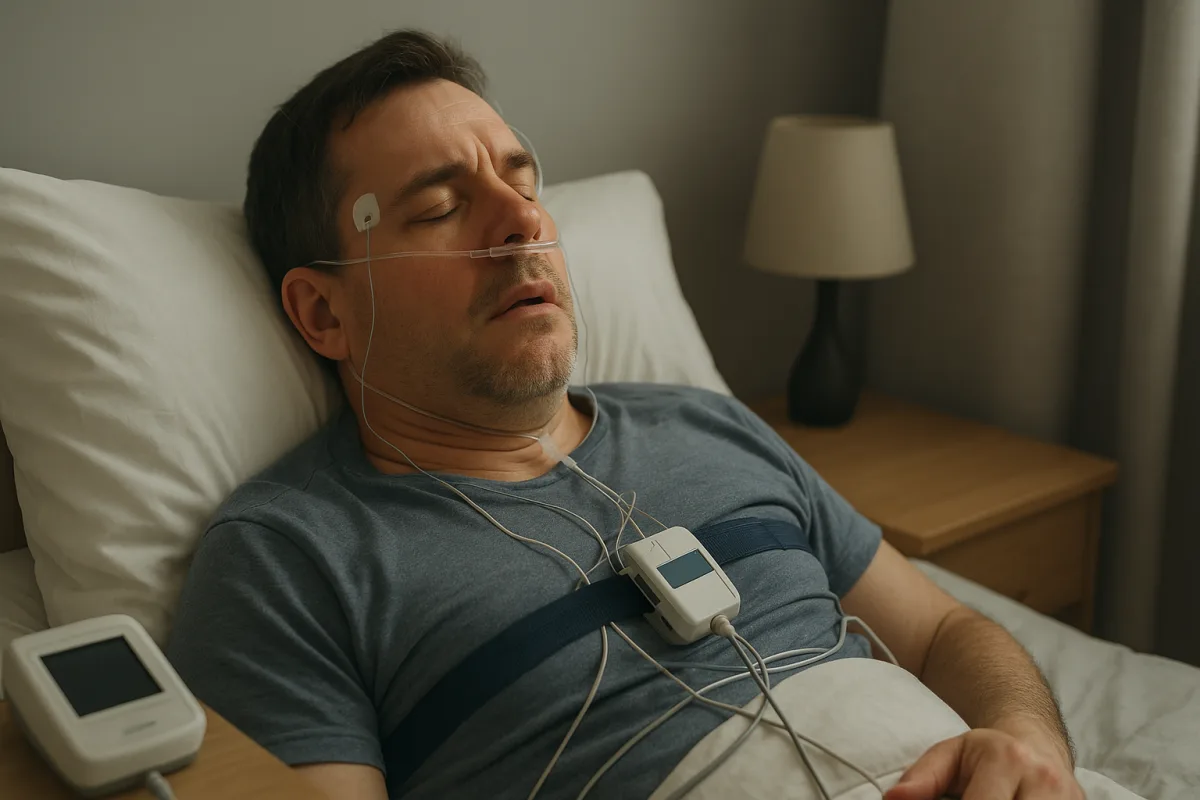
A sleep study is an examination used to monitor breathing and the body's responses during sleep. When appropriate, it can be carried out in a laboratory setting or, in some patients, with portable systems. During the test, airflow, oxygen levels, heart rhythm and data related to sleep patterns may be assessed together.
The doctor decides how the test will be performed and which method is appropriate. The results are interpreted together with the person's complaints and examination findings; a definitive assessment is not made based on symptoms alone.
What should you pay attention to if sleep apnea is suspected?
If there are complaints such as breathing pauses at night, noticeable snoring or daytime sleepiness that affects daily life, it is important to seek specialist advice without delay. In particular, observations from a partner or someone living in the same home can help during the evaluation process. Early medical consultation may make it easier to establish the right diagnosis and follow-up plan.
- Note when the symptoms occur and how often they happen.
- If possible, share observations of snoring or breathing pauses noticed at night.
- Provide information about any existing medical conditions and medications used.
When sleep apnea is suspected, the safest approach is to go through the evaluation process with a doctor rather than trying to self-diagnose. After diagnosis, the next steps are planned individually according to the person's overall health and test results.
"""





Comments (0)
No comments yet. Be the first to comment.
Write a Comment
Yorum yazmak için giriş yapın. Üyelik ücretsiz; yorumunuz editör onayından sonra yayımlanır.