
Rising bond yields are making AI infrastructure more expensive
As bond yields in the U.S. this week neared their highest levels since 2007, financing conditions are tightening for AI infrastructure companies that are expanding with debt. The 10-year U.S. Treasury yield, which rose to 5.17%, is up by about 1 percentage point from the start of the year and requires investors to be offered higher returns on new borrowing.
In a forecast published in June, JPMorgan Chase estimated that total AI-linked debt issuance could reach $4.1 trillion by 2030. Data center operators and companies tied to the AI ecosystem are continuing large-scale investment plans to meet rapidly rising capacity needs, and a significant share of those investments depends on debt financing.
By contrast, hyperscale technology companies such as Amazon, Google, Meta and Microsoft can access capital at a lower cost thanks to their investment-grade credit ratings. These companies are expected to commit hundreds of billions of dollars in capital spending this year, with spending projected to rise further in 2027.
Market split: large players have an edge, while highly leveraged firms come under pressure
What do stock performance and borrowing examples show?
For now, market reactions among debt-heavy companies have been limited, but the divide is becoming clear. CoreWeave shares rose about 8% this week, while Oracle fell 7% on the week; the stock is down roughly 30% since the start of the year.
- SoftBank raised $11.1 billion in a high-yield bond sale this week.
- Yields in the seven-year tranche climbed as high as 9.75%.
- In regulatory filings, CoreWeave said every 100-basis-point increase in interest rates could add $30 million a year to its interest expense.
According to market participants, financing for neocloud companies is likely to become more selective going forward. Riley Thompson of Mitsubishi HC Capital America said that of the roughly 50 neocloud startups mentioned in the market, only about 20 are genuinely attracting interest.
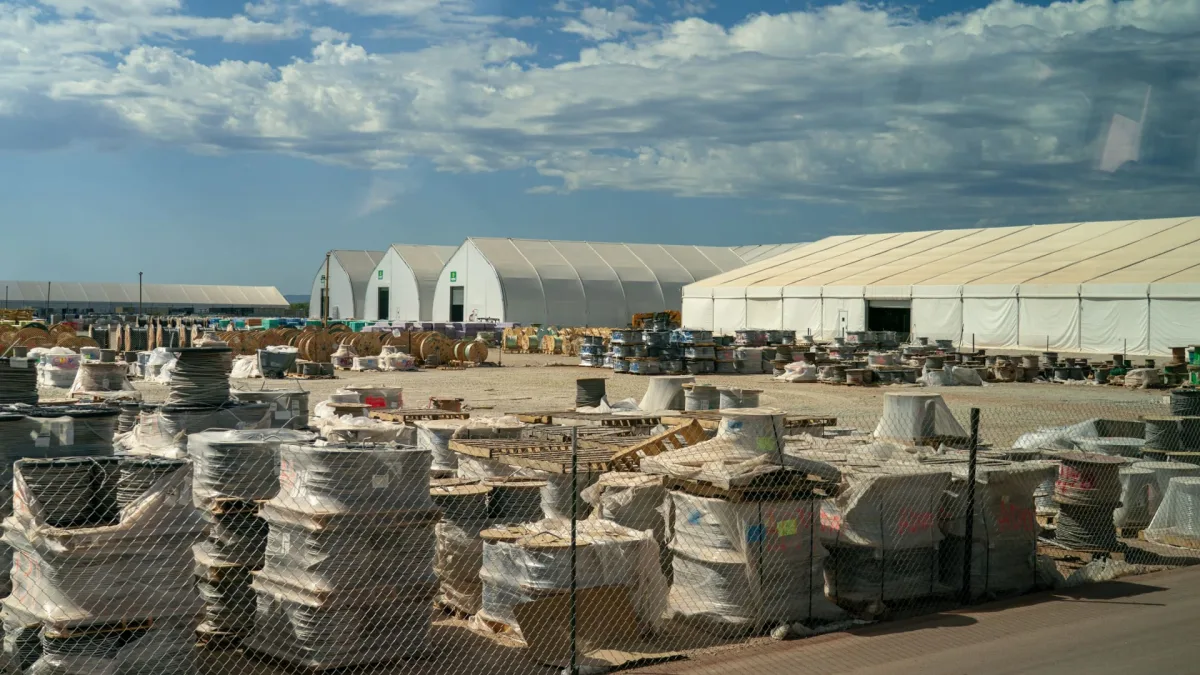
On the Oracle side, Bloomberg reported that the company sent a force majeure notice to protect itself against rising costs for the Project Jupiter data center in New Mexico. The report said payment delays could be considered if the facility does not come online as planned in 2028. Oracle said the project remains on schedule.
Demand remains strong despite rate pressure, but political risks are rising
Higher rates are not the only risk. At a time when local opposition to data centers is growing across the U.S., NBC News Decision Desk Poll and SurveyMonkey data show that 69% of respondents oppose such facilities being built in their area. Texas Governor Greg Abbott also temporarily paused environmental permits related to data centers last month, following a moratorium on grid approvals.
Even so, demand for AI services is not slowing. Meta’s personal assistant app Muse, launched in early September, was downloaded more than 2.5 million times worldwide in its first two weeks and overtook ChatGPT in the Apple App Store. Andrew Giudici of credit ratings agency KBRA said this suggests borrowing appetite may stay strong despite higher rates, supporting continued large-scale issuance in the market.
"""




Comments (0)
No comments yet. Be the first to comment.
Write a Comment
Yorum yazmak için giriş yapın. Üyelik ücretsiz; yorumunuz editör onayından sonra yayımlanır.