
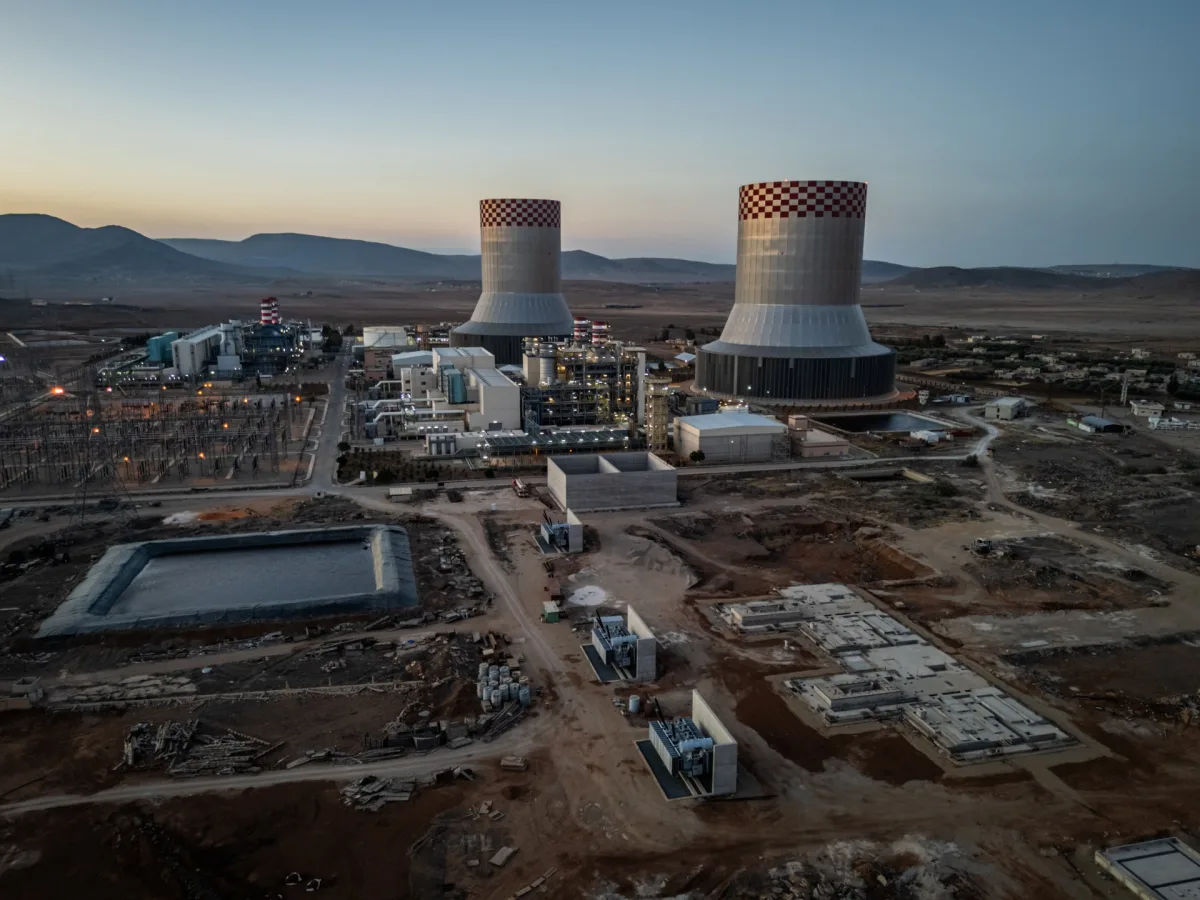
The blast hit power supply directly
A gas pipeline explosion in Syria forced three power plants in Eastern Ghouta, in the Damascus countryside, out of service at the same time. The state news agency SANA said a major fire broke out after the incident and that the cause of the explosion has not yet been determined.
The Syrian Electricity Company said in a statement on Wednesday that the plants could not operate because gas supplies were insufficient. The agency said the incident added fresh pressure to the country's already limited electricity supply.
Which plants were affected?
Following the explosion, the disruption in gas flow shut down the following plants:
- Deir Ali Power Plant
- Nasiriyah Power Plant
- Tishreen Power Plant
Officials said specialist teams at the site were working to fix the fault and restore gas flow. However, while the fire was still burning, no timetable was given for how long repairs would take.
Longer blackouts expected
The electricity company said the shutdown of the three plants would increase the hours of power rationing. The warning came at a time when energy costs are rising in the country and consumers are already complaining about worsening conditions.
In recent months, Syrians have protested against higher energy prices, with demonstrations held in different parts of the country two weeks ago. The government raised diesel prices by up to 40% and gasoline prices by 28%, saying the increases were temporary and driven by a sharp rise in global energy costs.
Third major incident in six weeks
Before this blast, Syria's gas network had already been hit by two separate explosions over the past six weeks. The Syrian Petroleum Company said the previous two incidents were the result of sabotage.
Officials said they were also investigating the cause of the latest explosion, while no one has yet claimed responsibility for any of the incidents. These repeated disruptions to the country's energy infrastructure suggest that pressure on electricity production and daily life is likely to continue in the near term.





Comments (0)
No comments yet. Be the first to comment.
Write a Comment
Yorum yazmak için giriş yapın. Üyelik ücretsiz; yorumunuz editör onayından sonra yayımlanır.