
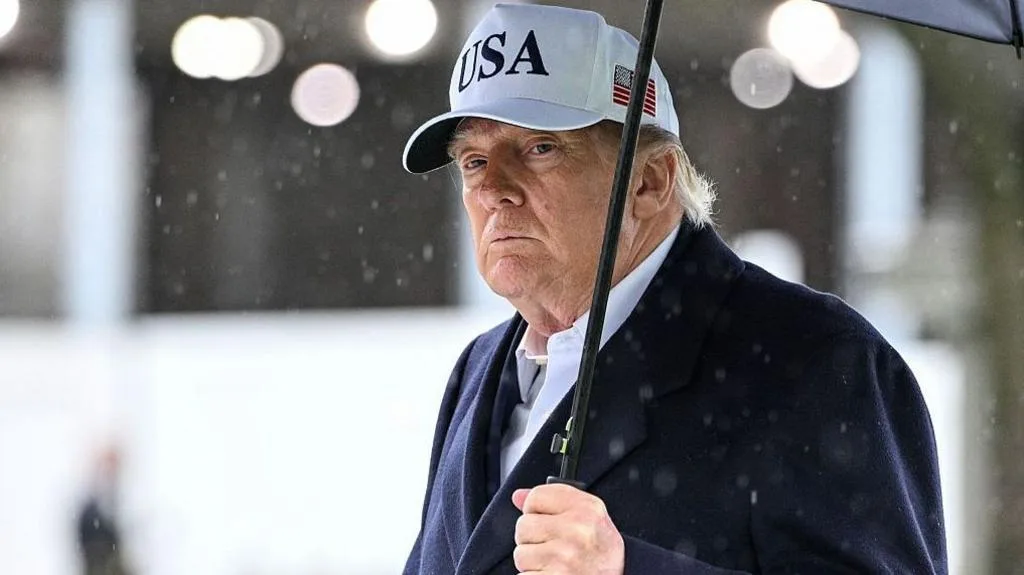
What did Trump reject?
A new uncertainty has emerged in indirect contacts between Iran and the United States over the Strait of Hormuz. Tehran said it will wait for an official response from American negotiators after President Donald Trump rejected a proposal calling for commercial shipping to resume within seven days.
Donald Trump told reporters at the White House that Iran's formula was unacceptable. The U.S. president also argued that Washington already had full control over the strait and that a large volume of oil passes through it.
What messages did Tehran and Oman send?
Abbas Araghchi, speaking in New York for the United Nations General Assembly, said an agreement could be reached if the necessary conditions were met between the two countries. The Iranian foreign minister said the terms for reopening the strait were the same as the points in the memorandum of understanding signed with the U.S. in June.
The Iranian side said it raised both reopening the strait and ending the fighting during meetings on the sidelines of last week’s UN General Assembly. In a Telegram post, Araghchi said Trump had at times made contradictory statements and added that Iran would decide based on the definitive view conveyed by the mediators.
Mediation efforts continue
Oman reiterated its call for continued open dialogue as part of its mediation role throughout the crisis. Omani Foreign Minister Sayyid Badr bin Hamad bin Hamood Albusaidi also said at the UN General Debate that all parties should cooperate to protect navigation security in the strategic waterway.
Latest picture on sanctions and economic pressure
The strait, which has been effectively closed since the war began in February, is critical to global energy flows. Roughly 20% of the world's oil and gas supply normally moves through this route.
Pressure tools Washington is highlighting
- Matthew Whitaker backed Trump's rejection, saying Iran's proposal was insufficient.
- Scott Bessent said Turkey, Oman and the United Arab Emirates had stopped flights by several Iranian airlines, and that some banks in the UAE and Turkey had also cut ties with Iran.
The Trump administration continues to pressure Tehran with an economic blockade and sanctions under Operation Economic Outcast. Some economists, however, say the impact of new sanctions will depend on the stance of Iran's major trading partners, pointing out that China, the country's biggest buyer of oil, has continued doing business with Tehran despite past U.S. sanctions.
"""



Comments (0)
No comments yet. Be the first to comment.
Write a Comment
Yorum yazmak için giriş yapın. Üyelik ücretsiz; yorumunuz editör onayından sonra yayımlanır.