
What was decided at the Tripoli meeting?
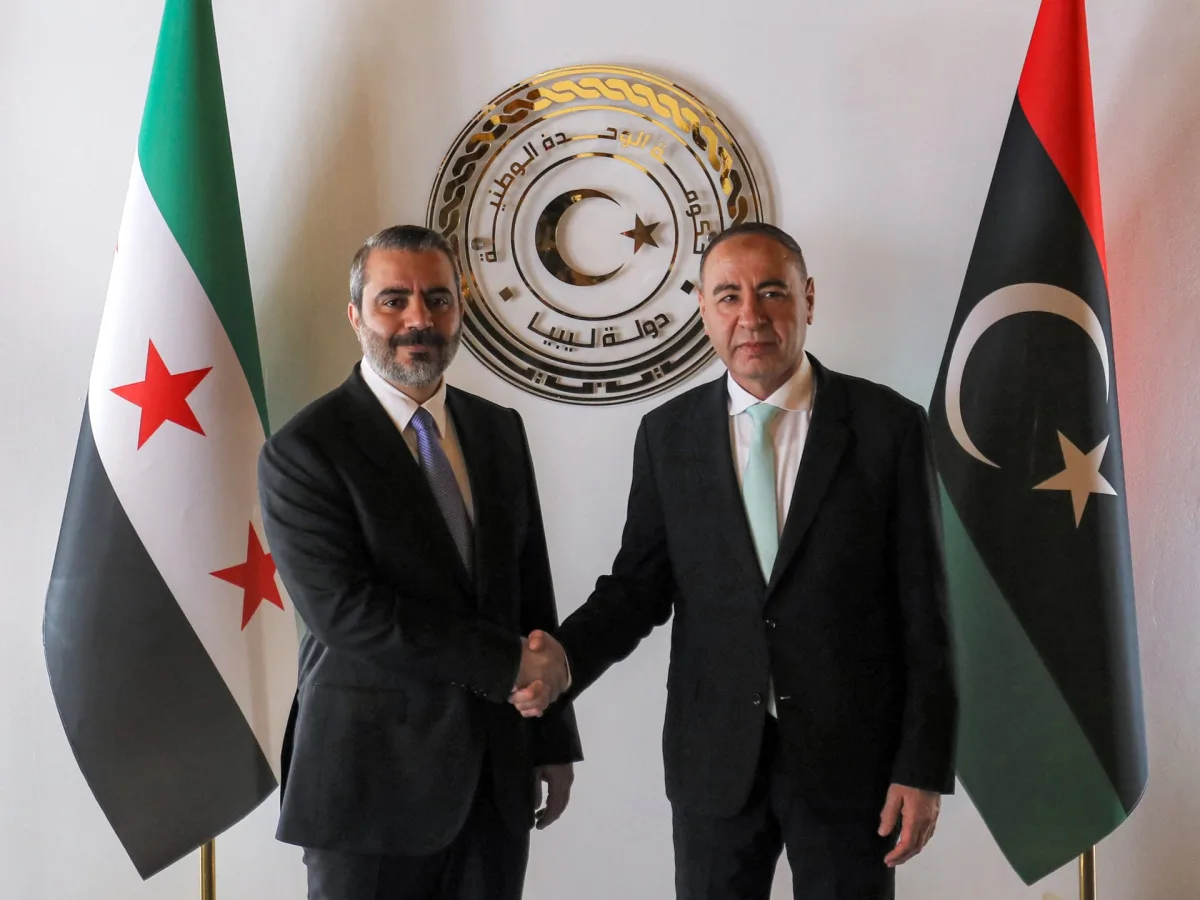
Syrian-Libyan relations entered a new phase after high-level talks in Tripoli on Sunday. Libyan Prime Minister Abdul Hamid Dbeibah and Syrian Foreign Minister Asaad Hassan al-Shaibani agreed to reopen Syria’s embassy in Tripoli, which has been closed for 14 years.
According to a statement by Libya’s Government of National Unity (GNU), al-Shaibani arrived in Tripoli on Sunday and met with Libyan officials. The two sides also signed an agreement to reactivate the Libya-Syria Joint Higher Committee, which coordinates political, economic and social relations between the two countries at the prime ministerial level.
- The Syrian embassy in Tripoli will reopen.
- Syria will open a consulate in Benghazi.
- The Joint Higher Committee will resume work.
What topics stood out in the talks?
Security, consular and humanitarian issues
According to the GNU, the talks also covered security cooperation and counterterrorism. In addition, consular services and the situation of prisoners, detainees and refugees in both countries were discussed.
Energy and investment agenda
Economic issues included unresolved financial obligations between Libyan and Syrian institutions. The Syrian foreign minister was also reported to have met Libya’s minister of oil and gas and the head of the country’s investment authority to discuss cooperation in energy and investment.
What lies behind the normalization?
Syria’s embassy in Libya was closed in 2012 after Libya’s then-Transitional Council recognized the Syrian opposition. Diplomatic relations between the two countries were therefore cut during the Bashar al-Assad era.
Opposition forces in Syria ousted Assad in December 2024, ending 61 years of Baath Party rule. In August 2025, a Syrian delegation raised the post-Assad Syrian flag at the embassy building in Tripoli, signaling that reopening was imminent.
Libya’s political landscape
Libya has been divided since 2014 between the Tripoli-based Government of National Unity and the administration in the east led by Osama Hammad and backed by military commander Khalifa Haftar. On the same day, representatives of Libya’s rival authorities signed an agreement calling for national elections within two years.
Dbeibah described the meeting as
"a new page"in relations between the two countries. The move is seen as one that both raises diplomatic representation between Damascus and Tripoli and brings long-standing issues back to the negotiating table. """
Comments (0)
No comments yet. Be the first to comment.
Write a Comment