
How did the debt warning emerge in the Michigan case?
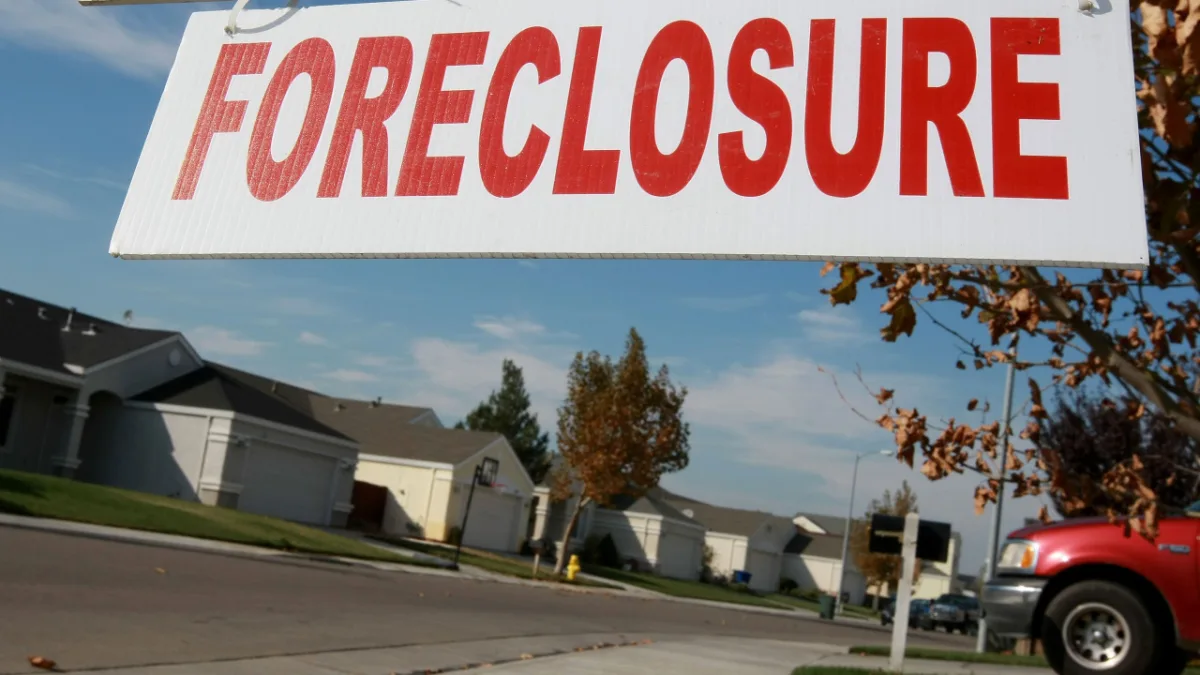
Veronica, who lives in Michigan, says her husband is now facing an unexpected financial burden because of a home loan he co-signed for his brother in 2021. After the brother failed to pay homeowners association fees — or HOA dues — for more than a year, the debt could be collected from the co-signer, and if payment is not made, foreclosure proceedings could begin on the home.
According to the file, the total overdue amount is around $10,000. Veronica said they do not have the cash to pay it off immediately, but they do have about $50,000 in stocks in a brokerage account.
Why didn’t the sale process solve the problem?
The brother listed the condo for sale, but at the time of the interview, the listing had been on the market for 81 days. Even though the asking price was cut below the original purchase price of $220,000, the home still had not sold, while the remaining balance on the mortgage was reported at about $172,000.
How do co-signed loans increase financial risk?
The case has again raised the point that co-signing a loan is not just a matter of signing paperwork — it creates direct balance-sheet and credit risk. In particular, co-signers whose debt-to-income ratio rises may find it harder to take out new loans in their own name or restructure existing debt later; the source says levels above 43% are seen as negative.
Key points on credit scores and legal obligations
- If the primary borrower is more than 30 days late on a payment, it can affect not only the borrower’s credit score but also the co-signer’s.
- If the account goes into collections, the negative mark can remain on the credit report for up to seven years.
- Because many loans do not include a clear option to remove a co-signer later, walking away from the obligation is not easy.
According to guidance from the Federal Trade Commission (FTC), both the lender and the main borrower must agree for a co-signer to be removed from the debt. That can leave the co-signer exposed for a long time in files with weak payment performance.
Why is family support getting more pressure in the housing market?
The example came to light at a time when access to housing finance has become more difficult. FICO’s 2026 Homeownership Study found that 74% of prospective buyers have delayed or reconsidered buying a home because of financial barriers.
According to Redfin data, about 24% of recent Gen Z and millennial homebuyers used cash help from family or inherited money for the down payment. But the Michigan case shows that when family financial support comes through co-signing, the risk can spread from credit scores to stock portfolios and then to personal relationships.
"""





Comments (0)
No comments yet. Be the first to comment.
Write a Comment
Yorum yazmak için giriş yapın. Üyelik ücretsiz; yorumunuz editör onayından sonra yayımlanır.