
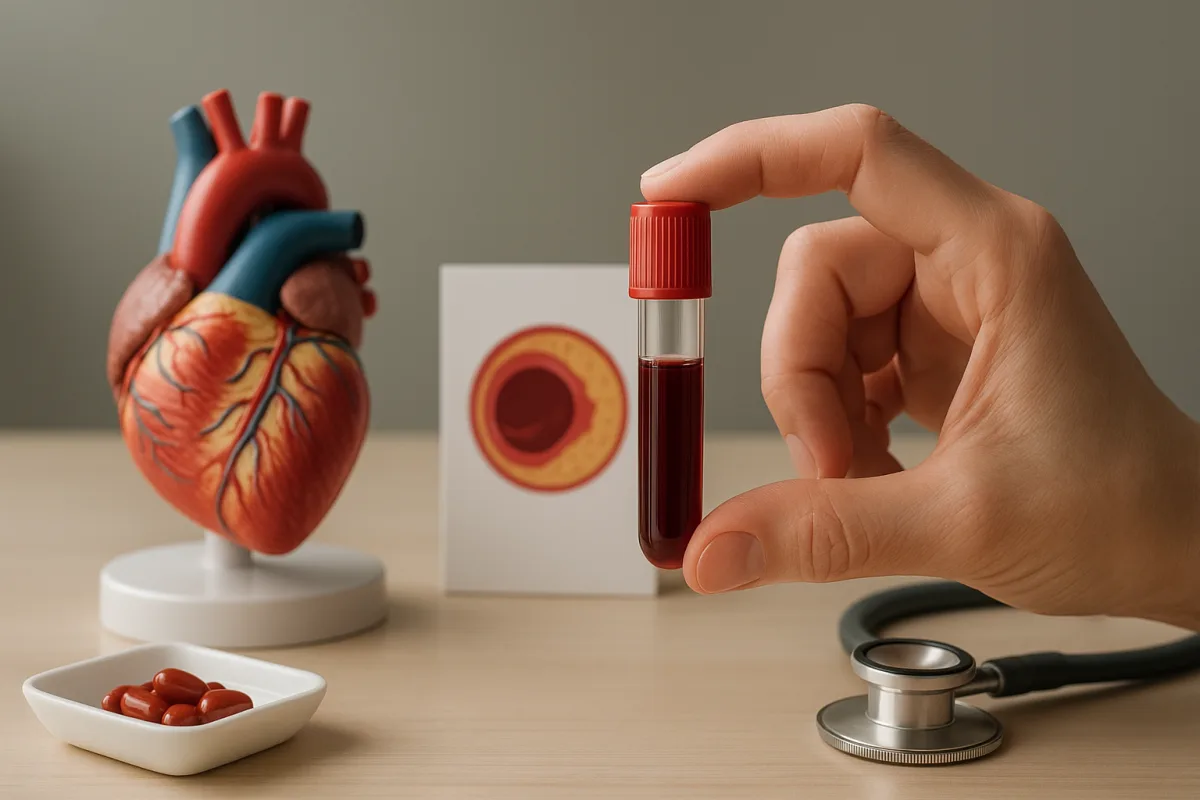
What is cholesterol and what does it do in the body?
The shortest answer to what cholesterol is is that it is a fat-like substance found in cell structure and needed for many functions in the body. The liver produces cholesterol, and it can also be obtained from certain foods. Because it helps form cell membranes, plays a role in producing some hormones, and is linked to vitamin D and bile acids, cholesterol is not seen as entirely harmful.
The real issue is how cholesterol travels in the blood and how that balance changes. Since fats do not dissolve in water, they cannot be carried in the blood on their own; that job falls to carriers called lipoproteins. That is why total cholesterol, LDL, HDL and triglycerides in a blood test are interpreted together.
Why is cholesterol not assessed on its own?
When a person's cholesterol result is interpreted, doctors do not look at just one laboratory value. Age, family history, smoking, blood pressure, diabetes, activity level, eating habits and some accompanying health conditions can all change the overall risk picture. That is why the same result may mean something different for two different people.
What is the difference between LDL and HDL?
The LDL HDL difference is about where cholesterol is transported in the body. LDL is one of the main lipoproteins that carries cholesterol from the liver to the tissues. When there is too much of it in the blood, it may contribute to buildup in artery walls; for that reason, it is often called “bad cholesterol.”
HDL, on the other hand, helps carry some of the excess cholesterol in the blood back to the liver. That is why the phrase good cholesterol is usually used for HDL. But this is a simplified description; having high HDL alone does not completely eliminate other risks.
Why the “good” and “bad” cholesterol labels fall short
In everyday language, LDL is called bad and HDL good, and that is easy to remember, but the medical assessment is broader. Doctors look not only at these two markers, but also at the overall risk profile, the presence of other diseases and how things change over time. In other words, the goal is not to focus on a single label, but to read the full picture correctly.
Common misconceptions
- The idea that thin people cannot have cholesterol problems is not true; genetics and metabolic traits can also be decisive.
- The belief that “if there are no symptoms, there is no problem” is misleading; high cholesterol can remain silent for a long time.
- The idea that only fatty foods affect cholesterol is incomplete; lack of exercise, processed foods, certain illnesses and lifestyle factors also play a role.
What are triglycerides and why do they matter?
Triglycerides are one of the body's ways of storing energy. Some of the energy taken in during the day and not used right away can be stored as triglycerides. For that reason, excess calorie intake, sugary drinks, a diet heavy in refined carbohydrates, an irregular lifestyle and inactivity may be linked to higher triglyceride levels.
Triglycerides are a different type of fat from cholesterol, but they are assessed together in the same blood test. If they are high, they may be seen alongside insulin resistance, fatty liver, weight gain or metabolic imbalance in some people. That is why a lab result is not read by asking only, “Is cholesterol high?”; triglycerides are an important part of the picture as well.
Which test is used?
This assessment is usually done with a blood test called a lipid profile or a similar fat panel. Which markers are ordered, whether preparation is needed before the test and when the result should be reviewed again can vary from person to person. The most accurate interpretation comes when the reason for the test and the person's medical history are considered together.
Does high cholesterol cause symptoms?
Cholesterol is often high without causing direct symptoms. Many people feel fine and only learn about it during a routine blood test. That is why, instead of relying only on the presence of complaints, regular medical follow-up is important, especially for people with a family history or other risk factors.
When symptoms such as chest pain, shortness of breath or becoming tired quickly with exertion appear, cholesterol may not be the only cause; there may also be different reasons, especially involving the cardiovascular system. If these symptoms persist or worsen, it is important to see a doctor rather than trying to interpret them on your own.
How are the results interpreted, and what can be done in daily life?
The meaning of cholesterol results is not limited to a single line on a lab report. When making an assessment, doctors may also consider blood pressure, blood sugar, weight, waist circumference, family history, smoking, and additional information related to the kidneys and thyroid, in addition to LDL, HDL and triglycerides. So rather than looking for a single “correct number,” it is healthier to understand the personal risk picture.
The role of diet and physical activity
Lifestyle plays an important role in balancing cholesterol and triglycerides. Regular exercise, reducing long periods of inactivity and reviewing eating habits are among the basic steps for many people. The goal is not short-term strict rules, but sustainable habits.
- Put more fiber-rich foods such as vegetables, fruit, legumes and whole grains on the table.
- Eat fried foods, processed meats and options high in saturated fat less often.
- Cut back on sugary drinks, desserts and meals based heavily on refined carbohydrates.
- Build a regular walking routine through the week or choose a physical activity plan suited to the person.
- If you smoke, seek support to quit, and do not neglect sleep and stress management.
In the end, cholesterol assessment is more than labeling a single number as “good” or “bad.” When the overall risk picture is read correctly, LDL, HDL and triglyceride results become much more meaningful. If something stands out in your blood test or you are worried because of your family history, asking your doctor for an evaluation is the safest approach instead of making your own interpretation.
"""




Comments (0)
No comments yet. Be the first to comment.
Write a Comment