
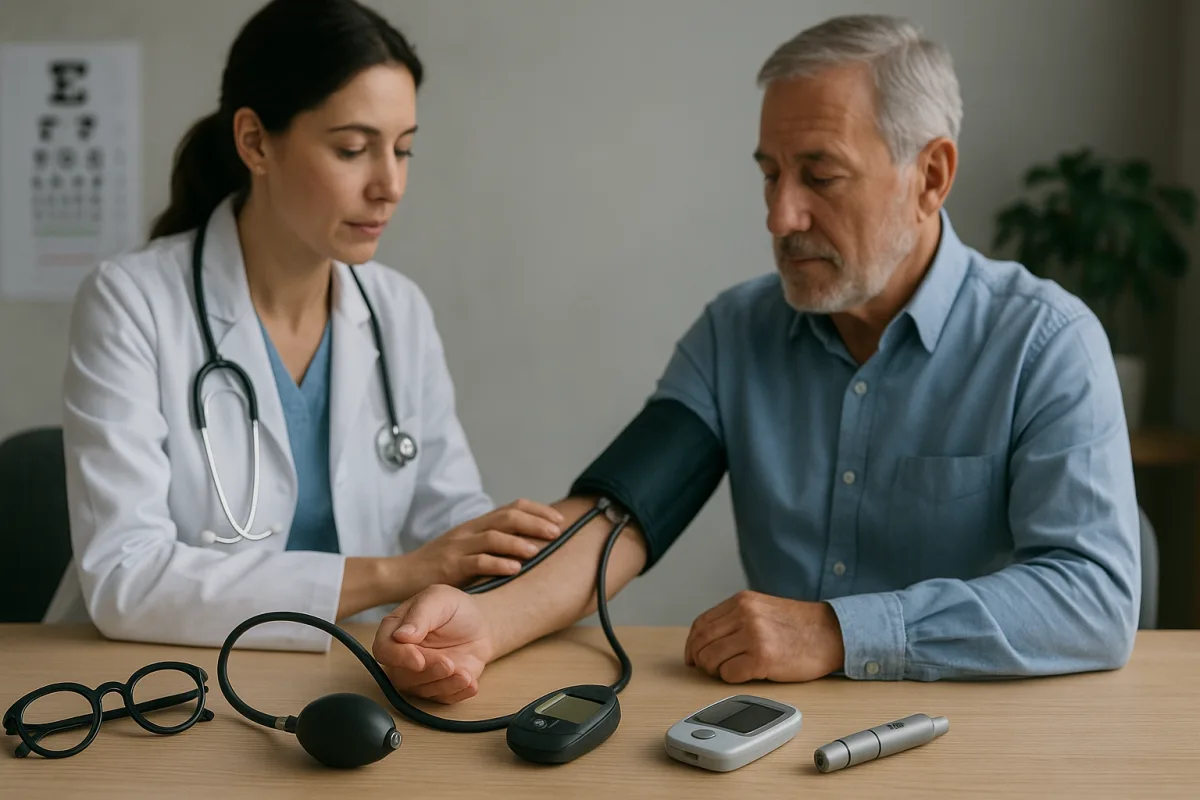
Why are health screenings important?
Health screening is a preventive approach that can help identify certain risks early, even when a person feels fine. The goal here is not to make a diagnosis, but to spot areas that need attention before symptoms appear. For that reason, a family doctor is often the first point of contact and the person who helps plan the screening.
The term checkup, which is commonly used in everyday language, should not be seen as a one-size-fits-all package. A screening plan changes depending on age, sex, family history, existing conditions, tobacco use, diet, physical activity, sleep and occupational exposures. That is why it is not right to assume there is a fixed schedule that applies to everyone; the doctor determines how often tests should be done and how broad they should be.
Understanding the logic behind screening matters. For example, when blood pressure rises, the heart and blood vessels are under more strain; problems in blood sugar balance are linked to how the pancreas regulates insulin; and cholesterol levels are tied to the liver’s production and the body’s fat-transport system. Because changes in these areas can remain silent for a long time, regular checks are considered one of the basic steps in prevention.
How is an age-based screening plan shaped?
In young adulthood, the main goal is to spot risks early
In young adulthood, screening usually focuses on reviewing lifestyle habits and basic measurements. Blood pressure checks, tests that show blood sugar and fat metabolism, assessment of changes in weight or waist circumference, and eye and dental exams become more important during this period. If a person has a family history of heart disease, diabetes or certain inherited conditions, the doctor may recommend closer follow-up.
In middle age, metabolic and organ-based checks come to the fore
As age increases, metabolic diseases and risks related to certain organs become more of a concern. During this period, monitoring blood pressure, blood sugar and cholesterol becomes more meaningful, because blood vessels, kidneys, the heart and the eyes can all be affected by these changes. Long hours of desk work, inactivity, irregular sleep and an increasing waistline can also expand the screening plan.
In older age, follow-up becomes more personalized
In older age, it is not just the calendar that matters, but also the person’s overall function and existing illnesses. It is important to assess vision, hearing, oral and dental health, balance problems, bone structure, fall risk and the medications being used together. Some people may need more frequent monitoring, while in others a more selective approach may be preferred to avoid unnecessary tests.
Which screenings stand out for women and men?
Why is regular evaluation important for women’s health?
For women, the screening plan may also include reproductive health, breast health and hormone balance. Gynecological evaluations, cervical cancer screenings and breast health checks are planned according to personal risk. If there are symptoms such as changes in menstrual patterns, abnormal bleeding, a lump felt in the breast or prolonged pain, a doctor should be consulted without waiting for a screening appointment.
Which areas stand out in men’s health?
In men, cardiovascular risk, metabolic diseases and some organ systems that can change with age may also be monitored more closely. Evaluation becomes important if there are changes in urination patterns, frequent nighttime urination, a weaker urine stream or unexplained weight loss. Which test is needed is determined not only by age, but also by symptoms and the doctor’s examination.
Which checks are at the core of most plans?
For many people, the initial assessment starts with similar items. However, these are not applied to everyone at the same intervals; the age-based screening approach must be considered together with personal risks.
- Blood pressure measurement: Helps assess the strain on the heart and blood vessels. High blood pressure can sometimes progress without causing headaches.
- Blood sugar assessment: Provides information about how the body uses glucose. The pancreas, liver and muscle tissue all play a role in this balance.
- Cholesterol and blood fats: Used to understand long-term risk to the vessel wall. Diet and genetics both have an effect.
- Eye examination: Important not only for vision problems but also for the overall condition of the structures inside the eye. Signs of some systemic diseases can be seen in the eyes.
- Dental and gum check: Oral health is not limited to cavities; gum problems can affect nutrition and overall quality of life.
In addition to these basic areas, the doctor may request tests related to the thyroid, kidneys, liver or intestines depending on the person’s complaints. What matters here is that the test is done because it is clinically necessary, not because it is fashionable.
Common misconceptions about checkups
Not every test is needed for everyone
The most common misconception is that the more tests you have, the safer you are. In reality, unnecessary tests can lead to misleading results, unnecessary anxiety and more advanced investigations that are not needed. Screening has value when it is appropriate for the person.
Thinking that no symptoms means no check is needed is wrong
Another misconception is assuming that if there are no complaints, no evaluation is necessary. High blood pressure, abnormal blood sugar or cholesterol problems can progress silently for a long time. That is why speaking with a family doctor is a good starting point, especially for people with a family history, those who live a sedentary life and those who have not had a checkup for a long time.
In the end, the goal of a checkup is not to create fear, but to build preventive health awareness. It would not be right to give a fixed age and frequency chart, because screening plans vary from person to person and the best decision is made after a doctor’s evaluation. If new, ongoing or worsening symptoms appear, medical care should be sought without delay.
"""



Comments (0)
No comments yet. Be the first to comment.
Write a Comment
Yorum yazmak için giriş yapın. Üyelik ücretsiz; yorumunuz editör onayından sonra yayımlanır.