
How do calcium and vitamin D work together in the bones?
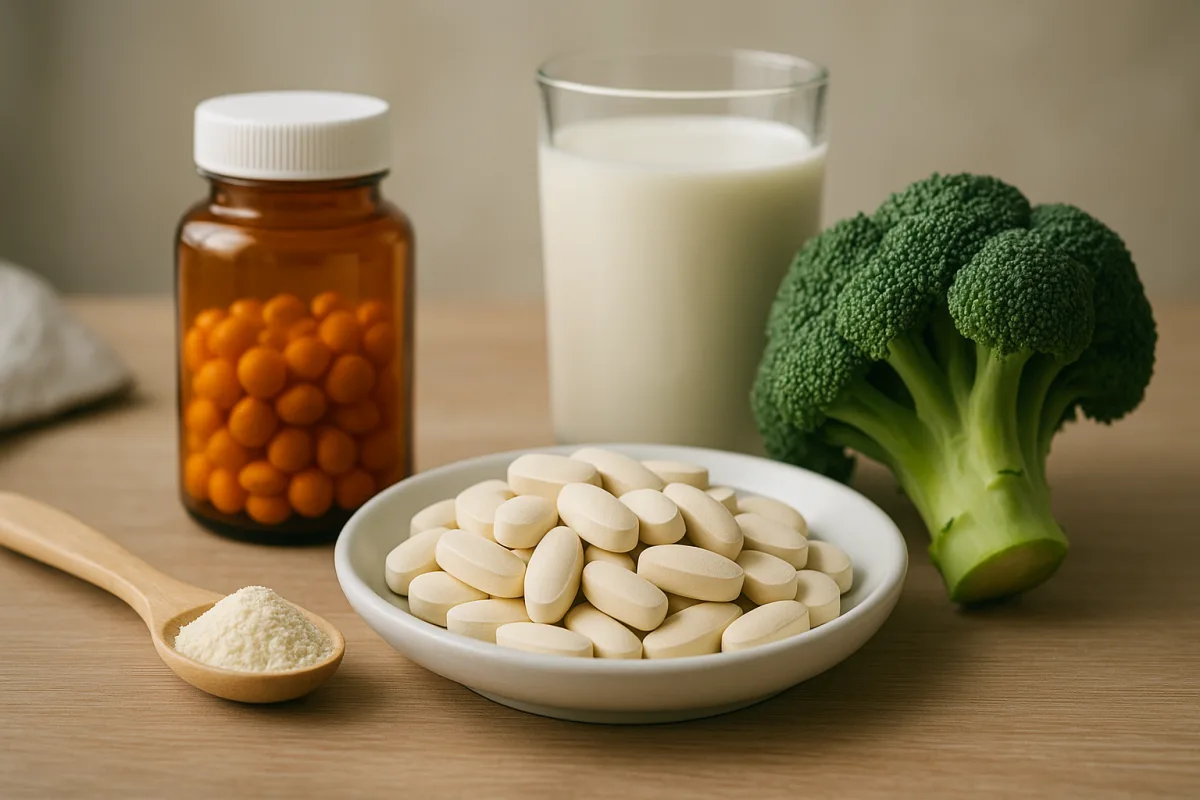
When people talk about bone health, the pairing of vitamin D and calcium is no coincidence. Calcium is one of the key minerals that gives bone tissue its hardness and durability, while vitamin D helps the body absorb this mineral in the intestine and use it properly.
Although bone may look like a fixed structure from the outside, it is living tissue. Throughout the day, breakdown and rebuilding processes work side by side; to maintain the body’s calcium balance, bone can be used as a reserve when needed. That is why it is not enough to take in calcium — the body must also be able to use it effectively.
The main role of calcium in bone
Calcium is part of the structure of bones and teeth; it also plays a role in muscle contraction, nerve transmission and some cellular processes. When enough calcium is not obtained through diet, or absorption is impaired, the body may draw on calcium from bone tissue to maintain balance. Over time, this can negatively affect bone density.
This relationship becomes more visible during periods when bone balance is more fragile, especially in childhood and growth, after menopause and in older age. Because osteoporosis, the condition commonly known as bone loss, can often progress silently, prevention becomes especially important.
Why does vitamin D matter for absorption?
Vitamin D is produced in the skin through exposure to sunlight and can also be obtained from certain foods. The liver and kidneys help activate it in the body, after which it supports calcium absorption in the intestine and indirectly contributes to bone formation.
When vitamin D is insufficient, the calcium obtained from food may be harder to use. That is why, for bone health, the issue is not only what is on the plate, but also how the body processes it.
What foods contain calcium besides dairy?
When calcium is mentioned, milk, yogurt and cheese usually come to mind first, but sources are not limited to dairy products. There are other options for people who do not consume dairy, are lactose intolerant, or simply want a more varied diet.
Plant-based and other sources
- Green leafy vegetables are among the important parts of bone-friendly eating.
- Sesame, tahini, some nuts and legumes may also be among calcium-containing options.
- Small fish that can be eaten with their bones may provide an additional source for some people.
- Some calcium-fortified foods can also be considered on the advice of a doctor or dietitian.
The key point here is to build variety rather than rely on a single food. Protein, magnesium and phosphorus also play a role in bone metabolism; in other words, strong bones are supported by an overall balanced diet.
What helps vitamin D levels in daily life?
Diet alone may not always be enough for vitamin D. Sun exposure, time spent outdoors, clothing habits, the season, skin characteristics and a person’s lifestyle all play a role in this process.
- A regular outdoor routine can make it easier to benefit from sunlight under suitable conditions.
- Oily fish, eggs and some fortified products can help through diet.
- Spending long periods indoors, rarely going outside, or certain health conditions can affect vitamin D levels.
For this reason, the idea that “I go out in the sun, so there is no problem” is not always correct. If there are symptoms, risk factors or concerns, a doctor should be consulted for proper evaluation.
How does weight-bearing exercise support bone density?
Bone tissue can respond biologically to mechanical load. For this reason, weight-bearing exercise and resistance exercises that work the muscles are considered lifestyle habits that send a signal to the bone to strengthen.
Which activities stand out?
- Walking, brisk walking, climbing stairs and dancing can be easily added to daily life.
- Bodyweight exercises or resistance-band workouts can support both muscles and bones.
- Balance exercises may help reduce the risk of falls and indirectly protect bone health.
The goal here is not an overly intense program, but a routine that is regular and sustainable. Especially in older adults, people with joint problems, or those who have been inactive for a long time, it is important to tailor an exercise plan to the individual.
Why might diet alone not be enough?
Healthy bone structure cannot be reduced to calcium intake alone. Lack of movement, reduced muscle strength and balance problems can increase the risk of falls, which is an important issue in its own right when it comes to fractures. That is why diet and exercise are often discussed together when talking about the risk of bone loss.
Why does the risk of osteoporosis rise after menopause and in older age?
After menopause, changes in hormonal balance can speed up bone breakdown. In older age, bone formation may slow down, while factors such as activity level, appetite, sun exposure and muscle strength may also change.
Family history, low body weight, long-term inactivity, smoking, poor nutrition and some chronic diseases can also contribute to the picture. That is why risk assessment varies from person to person, and the most accurate approach is a medical one.
Which symptoms and situations require evaluation?
Osteoporosis can progress for a long time without symptoms. Even so, frequent fractures, noticing a loss of height, changes in posture, or persistent bone or lower back pain may require evaluation; because these signs can also be caused by other conditions, self-diagnosis should be avoided.
- Having had a fracture from relatively minor trauma
- Additional risk factors for bone health after menopause
- Loss of balance or a history of frequent falls in older age
- Long-term inadequate nutrition or pronounced inactivity
What tests might a doctor order?
During evaluation, a doctor may order blood tests depending on your complaints and risk profile. These may include vitamin D levels, calcium balance and some parameters related to bone metabolism. When needed, imaging or measurement methods that show bone mineral density may also be used.
Whether a supplement is needed, whether there is another underlying cause, and the follow-up plan are determined based on this assessment. At this point, taking supplements on your own is less safe than following medical advice.
What are the common myths and what is the right approach?
Common mistakes
- The idea that “drinking only milk is enough to protect bones” is incomplete; varied nutrition and movement are both needed.
- The assumption that “everyone who gets sun exposure has enough vitamin D” is not always true; lifestyle and individual factors can change the outcome.
- The belief that “supplements are harmless” is wrong; unnecessary or inappropriate use can lead to different health problems.
- The idea that “bone loss only appears in very old age” is also misleading; risk can arise earlier in some periods of life.
The most realistic way to protect bone health is to stay active regularly, eat a varied diet, avoid missing screening and evaluation during higher-risk periods, and use supplements only on a doctor’s advice. If symptoms continue, new fractures occur, or you think you have risk factors, it is wise to seek care at a health facility.
"""




Comments (0)
No comments yet. Be the first to comment.
Write a Comment
Yorum yazmak için giriş yapın. Üyelik ücretsiz; yorumunuz editör onayından sonra yayımlanır.