
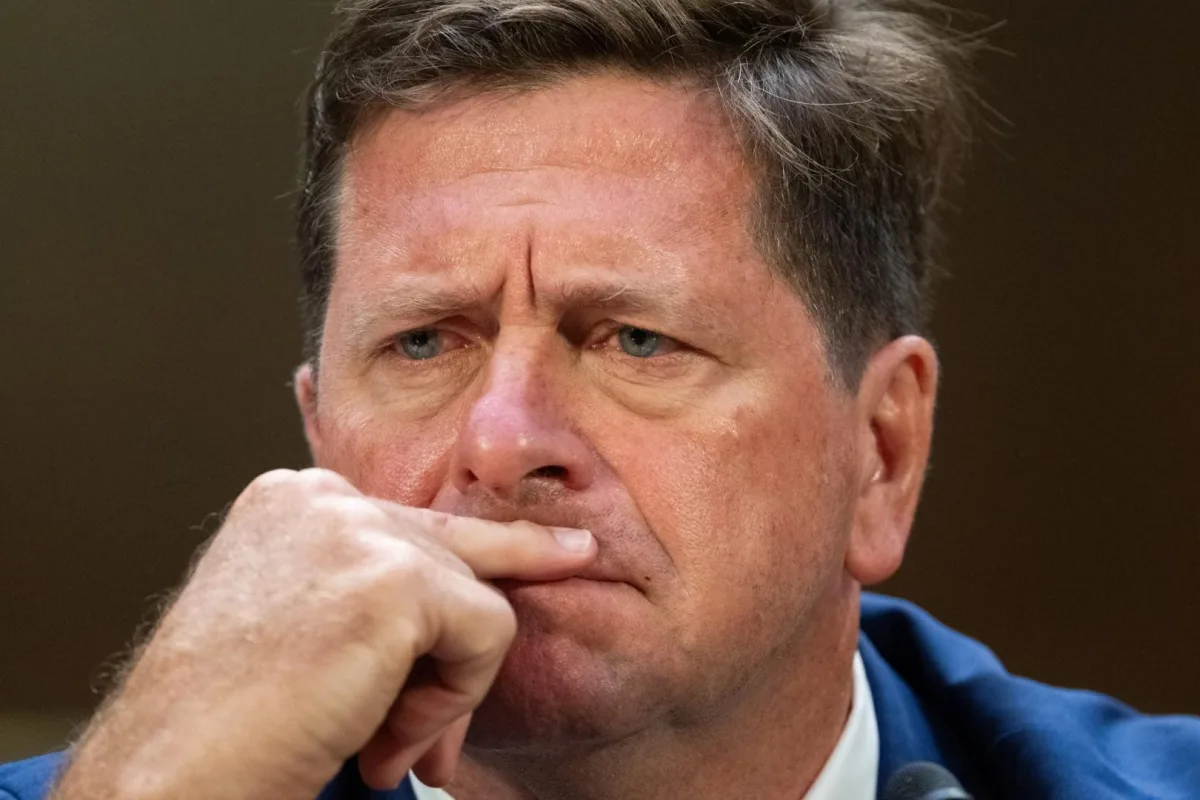
Why could Clayton’s possible AI role be on crypto’s radar?
News that Jay Clayton could take on a possible artificial intelligence role in the Trump administration has brought his enforcement record at the SEC back into focus in the crypto market. While the new post is not expected to directly cover digital assets, Clayton’s past actions are seen as an important reference point for how regulatory risk could take shape in the U.S.
According to reports, the role would focus on the AI Force, a White House structure tracking the fast-growing domestic AI sector. David Sacks, who handled both crypto and AI issues during Trump’s first term, stepped down in March, while White House crypto work was later handled by Patrick Witt.
Clayton’s public- and private-sector background is also fueling the debate. Before returning to public service, Clayton sat on the board of Apollo Global Management, a firm that had allocated billions of dollars to AI and digital infrastructure projects.
Which cases defined the SEC’s approach to crypto under Clayton?
57 cases and the Ripple move
When Clayton served as SEC chair during Trump’s first term, the agency created its Cyber Unit in 2017. That marked the beginning of tighter scrutiny of initial coin offerings (ICOs) and other digital asset activity.
A summary released by the SEC of Clayton’s tenure showed 57 cases brought against digital assets, blockchain companies and ICOs. In those cases, the agency focused on allegations of investor fraud and violations of federal securities registration requirements.
- 2017: The Cyber Unit was established and the ICO market came under scrutiny.
- 2020: A lawsuit was filed against Ripple Labs over XRP sales.
The Ripple Labs case, filed shortly before Clayton left office, became the most visible example of that approach. The SEC argued that the company had not registered $1.3 billion worth of XRP sales as securities; under current SEC Chair Paul Atkins, the agency later decided not to continue pursuing the case.
The “regulation by enforcement” approach criticized by the industry during the Gary Gensler years also has deep roots in this period. So while Clayton is now more closely associated with AI than crypto, the market continues to watch his regulatory instincts closely.
How did policy priorities shift under the Trump administration?
During his first White House term, Trump took a cautious stance toward crypto, but later adopted a more crypto-friendly profile through NFT ventures, a memecoin issued in his name and links to World Liberty Financial. During the 2024 campaign, Trump sent more supportive messages on digital assets and, after returning to office, brought the issue onto the White House agenda.
In September, Trump likened the AI Force to Space Force in a post on Truth Social and said he would soon announce an AI czar. Clayton also told CNBC in a recent interview that he sees AI as a national security issue, while opposing efforts to halt the technology’s development.
"""


Comments (0)
No comments yet. Be the first to comment.
Write a Comment
Yorum yazmak için giriş yapın. Üyelik ücretsiz; yorumunuz editör onayından sonra yayımlanır.