
A new wave of investment in banking and retail
Japanese investment is accelerating sharply in India as companies seek to reduce China-related risks and cope with weak domestic demand in Japan. Piyush Goyal's visit to Japan last week with his country's largest-ever business delegation signaled a new phase in trade and capital flows between the two countries.
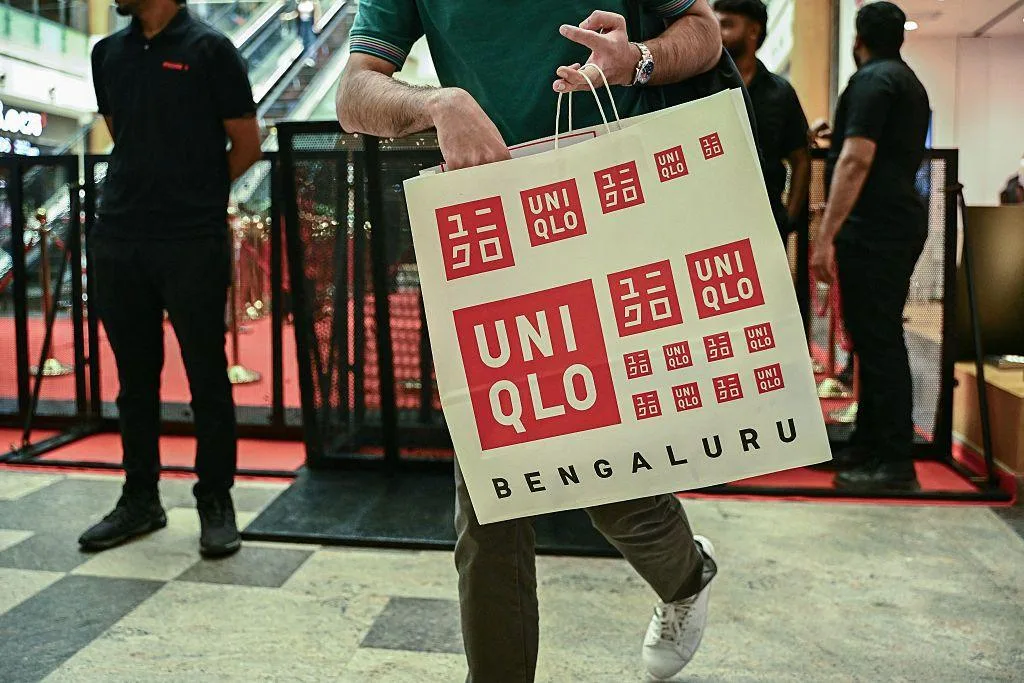
Japanese consumer brands are becoming more visible in major cities such as Mumbai, Delhi and Bengaluru. Uniqlo, Muji and Onitsuka Tiger continue to expand, furniture retailer Nitori has recently entered the market, and Lawson is said to be aiming to open 10,000 stores across India by 2050, starting from Mumbai.
The most notable movement is in finance. At a time when foreign lenders are pulling out of bank portfolios in India, Japanese banks are moving more aggressively into local financial assets.
- MUFG Bank bought a 20% stake in Shriram Finance last year for $4.4 billion, in what was recorded as the largest foreign investment in India's financial sector.
- SMBC became the largest shareholder in Yes Bank with a 24.22% stake.
- At a summit in July, Japanese companies announced $12.5 billion in investment across about 120 deals ranging from semiconductors to green energy.
Capability centers are also expanding
According to Deloitte, Japanese companies have become the biggest contributor to India's fast-growing global capability centers ecosystem in the Asia-Pacific region. More than 100 Japanese companies now operate these centers in India in areas such as research and development, corporate strategy and artificial intelligence.
China risk, the search for growth and Delhi's test
Several economic factors are driving the trend. Japan's population has been declining for about 16 to 17 years, permanently shrinking the domestic market, while investment in China is weakening amid geopolitical tensions and changing economic conditions. The US market is also seen as more difficult because of tariffs and intense competition.
Economic ties between India and Japan gained momentum with a trade liberalization agreement about 15 years ago. Under Narendra Modi, the relationship moved to a higher level, with large-scale projects such as the Mumbai-Ahmedabad high-speed rail line coming onto the agenda. More recently, however, expansion has been driven mainly by private companies.
The main risks facing investors
Even so, tax uncertainty, bureaucracy, and delays in land and environmental approvals continue to raise the cost of doing business in India. Recent controversy over delays in the high-speed rail project has also highlighted the vulnerabilities in execution despite the scale of the deals.
For Delhi, Japanese capital is critically important because the country is struggling both to attract foreign investment and to balance its widening trade deficit with China. Analysts say Japanese companies are not leaving China entirely, but are giving more weight to India as a second investment and manufacturing base that can reduce concentration risk amid supply-chain disruptions and geopolitical pressure.
"""




Comments (0)
No comments yet. Be the first to comment.
Write a Comment
Yorum yazmak için giriş yapın. Üyelik ücretsiz; yorumunuz editör onayından sonra yayımlanır.