
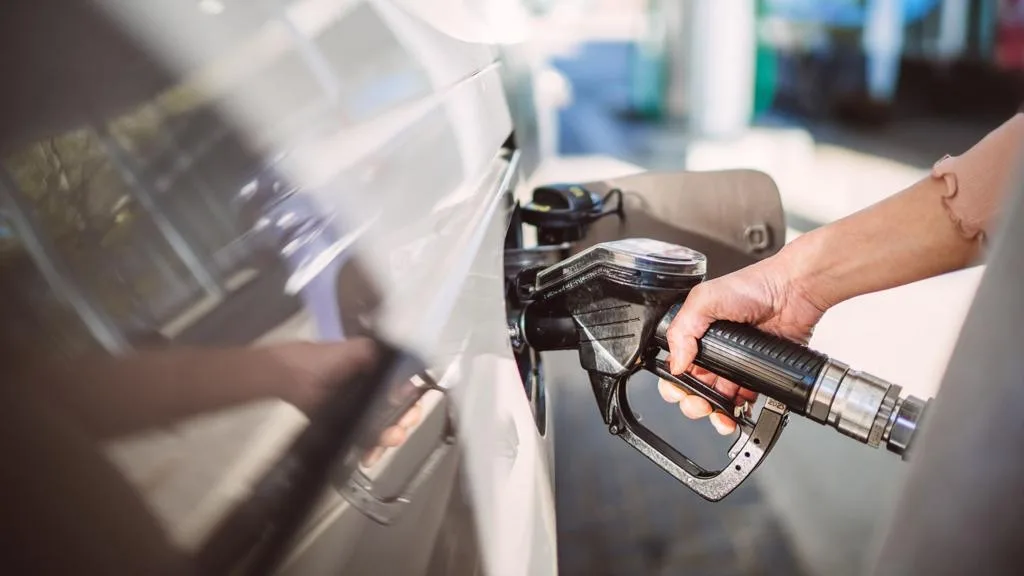
What does a record diesel price mean?
Diesel prices in the UK have risen to an all-time high of 199.33 pence per litre, according to average data compiled by RAC, a UK roadside assistance group. The average petrol price also climbed to 174.23 pence per litre, with the main driver of the increase being disruption to oil and fuel supplies caused by the war in the Middle East.
Since the fighting escalated at the end of February, the price of diesel has risen by 59 pence per litre, equivalent to an increase of about 40%. The previous record was 199.09 pence, set in June 2022 after Russia's full-scale invasion of Ukraine. With the latest increase, it now costs £110 to fill the diesel tank of an average family car, which is £31 more than at the start of the conflict.
Tighter supply and Brent crude are adding pressure
RAC's figures are based on average pump prices at supermarkets, motorway service areas and independent fuel stations. The organisation says pump prices will only fall sustainably if oil prices stay lower for weeks, not just days.
Main factors behind the rise
- Brent crude rose to around $108 a barrel after the weekend's gains. Before the US and Israeli operation against Iran, the benchmark was around $73.
- The conflict in the Middle East has limited the flow of both crude oil and refined diesel to global markets.
- Russia's halt to diesel exports after Ukrainian attacks on refineries has tightened supply further.
- Diesel is harder to refine than petrol and is heavily used in transport and agriculture, making demand harder to ease quickly.
The United Kingdom relies on imported fuel. Although the country's four refineries can produce enough petrol to meet demand, diesel output does not cover national needs, meaning external shocks are passed through to pump prices more quickly.
Transport costs and budget expectations
Because diesel is the main fuel for lorries and light commercial vehicles, the increase is affecting not only drivers but also supply chains. RAC warned that higher costs could be passed on to the prices of goods and services, while noting that petrol prices have also risen by 41 pence per litre since the conflict began, though they remain below the 2022 peak.
The government said decisions on fuel prices and fuel duty will be considered in the budget due next month. According to Transport Department data, there were 15.1 million diesel vehicles in the country at the end of June, down from 15.7 million a year earlier. The number of diesel cars also fell over the same period, from 10.4 million to 9.8 million.
"""





Comments (0)
No comments yet. Be the first to comment.
Write a Comment
Yorum yazmak için giriş yapın. Üyelik ücretsiz; yorumunuz editör onayından sonra yayımlanır.