
Attacks near the Strait of Hormuz increase supply risks
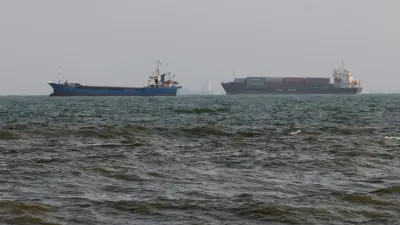
Fresh tanker attacks over the weekend around the Strait of Hormuz have again put geopolitical risk at the center of global energy markets. According to the United Kingdom Maritime Trade Operations Centre (UKMTO), at least two ships were struck in waters near Oman and Iran, deepening security concerns along a route critical to the world’s oil flows.
UKMTO said a crude oil tanker was hit by an unidentified projectile on Saturday four nautical miles east of Oman. On Sunday, another tanker targeted in a similar incident in the Strait of Hormuz suffered damage to its engine room.
Before the U.S.- and Israel-led war that began in late February, roughly one-fifth of the world’s oil supply moved through the strait. The recent regularity of attacks on vessels is adding pressure to the market through shipping security concerns and higher insurance costs.
Iran’s conditions and military movements are driving pricing
Iran said again on Sunday that the strait will not reopen until its conditions for ending the war are met. Tehran’s demands include a halt to U.S. “attacks,” the end of the naval blockade on Iranian ports, the lifting of economic pressure, and the release of Iranian assets.
This suggests that the fragile ceasefire environment that emerged after the Islamabad Memorandum of Understanding, a temporary agreement signed in June by U.S. President Donald Trump and Iranian President Masoud Pezeshkian, has weakened again. One of Washington’s main demands remains the dismantling of Iran’s nuclear weapons program.
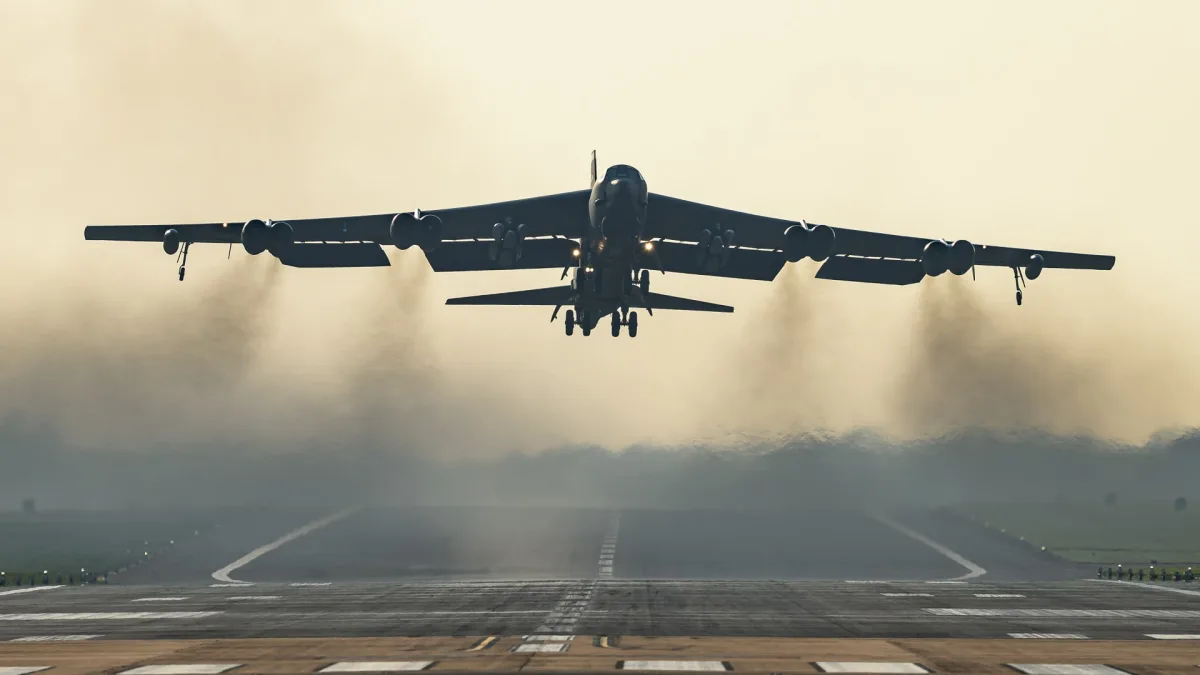
U.S. bombers pulled from Britain
According to Associated Press, the U.S. Air Force has withdrawn all B-1 bombers stationed at RAF Fairford in southern England. The report said the aircraft were redeployed to their main bases in the United States after an investigation into a planned terrorist attack.
It was reported that a dual British-Iranian national was detained in central London last week on suspicion of planning a terrorist attack, and that a total of six people were arrested in the investigation before later being released on bail. British authorities linked the plot to Tehran, while Iran denied the claim.
Oil stays elevated as investors watch for further escalation
Markets are pricing not only the ship attacks in the strait but also the wider security picture in the region. In a report published by Reuters on Saturday, Yemen’s Iran-backed Houthis said they had targeted an Aramco facility in Riyadh, the Saudi capital, with ballistic missiles and drones; Saudi authorities did not comment on the report.
Investors are focused on the possibility that the conflict could flare up again on a full scale. Continued attacks and expectations of further escalation have pushed energy prices higher in recent weeks, while also weighing on global inflation expectations and government borrowing costs.
- Brent crude ended the week at $102.25 a barrel.
- U.S. crude oil (WTI) closed at $91.11.
During the week, reports that the U.S. would send a third aircraft carrier strike group and an amphibious force carrying 2,000 Marines to the Middle East also supported oil prices. However, prices eased slightly after the G7 countries decided to release diesel and crude oil stocks to ease pressure on consumers.
"""




Comments (0)
No comments yet. Be the first to comment.
Write a Comment
Yorum yazmak için giriş yapın. Üyelik ücretsiz; yorumunuz editör onayından sonra yayımlanır.