
Bitcoin Pulls Back as Market Positioning Turns Cautious
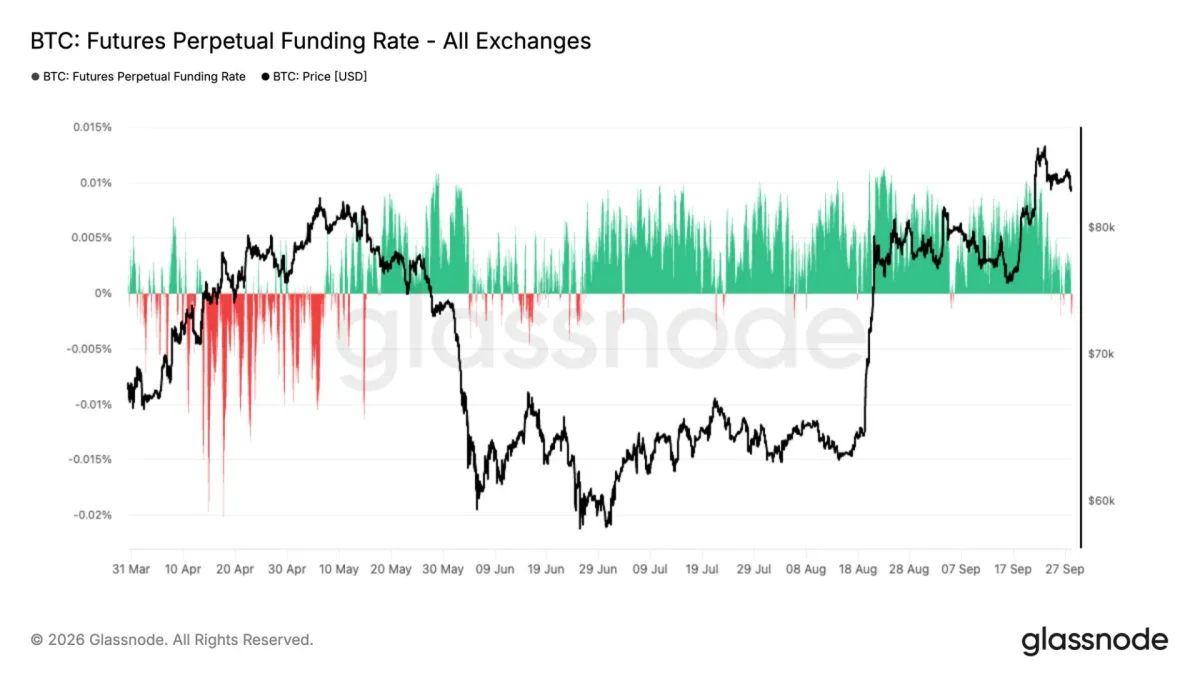
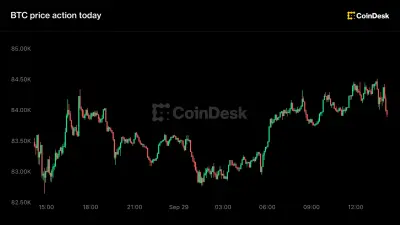
Bitcoin fell 2% over the past 24 hours to $82,800. The move came a day after Donald Trump did not rule out the possibility of new strikes against Iran ahead of the U.S. midterm elections. Futures positioning also nearing its lowest levels of the year pointed to a more cautious tone in the market.
Even so, Bitcoin remains more than $20,000 above its summer cycle low. The asset also continues to be the best-performing instrument in the third quarter, underscoring its resilience over a longer time frame despite short-term selling pressure.
What Stood Out in Gold, the Dollar and Rates?
In line with pressure across crypto markets, gold also fell 3% over the past 24 hours and traded at around $4,150 per ounce. The Bitcoin-to-gold ratio, which shows how many ounces of gold one Bitcoin can buy, moved closer to 20, bringing it near the threshold for turning positive again on the year.
Meanwhile, the DXY index, which tracks the dollar against major currencies, rose above 101. U.S. Treasury yields kept climbing, with the 10-year yield rising above 5.2% and the 30-year yield moving above 5.51%.
Key Market Indicators
- Bitcoin: $82,800, down 2% in the past 24 hours
- Gold: about $4,150, down 3% in the past 24 hours
- DXY: above 101
- U.S. 10-year Treasury yield: above 5.2%
- U.S. 30-year Treasury yield: above 5.51%
Why Are Rising Yields Pressuring Risk Assets?
Markets see the resilient U.S. economy as supporting both the dollar and Treasury yields. In addition, persistent inflation concerns are thought to be pushing borrowing costs higher, adding to the rise in rates.
As yields climb, bond prices fall. The TLT exchange-traded fund, which tracks long-term U.S. Treasury bonds, dropped to around $79, marking an all-time low. The growing appeal of interest-bearing assets is creating additional pressure on non-yielding Bitcoin and gold.
"""

Comments (0)
No comments yet. Be the first to comment.
Write a Comment
Yorum yazmak için giriş yapın. Üyelik ücretsiz; yorumunuz editör onayından sonra yayımlanır.