
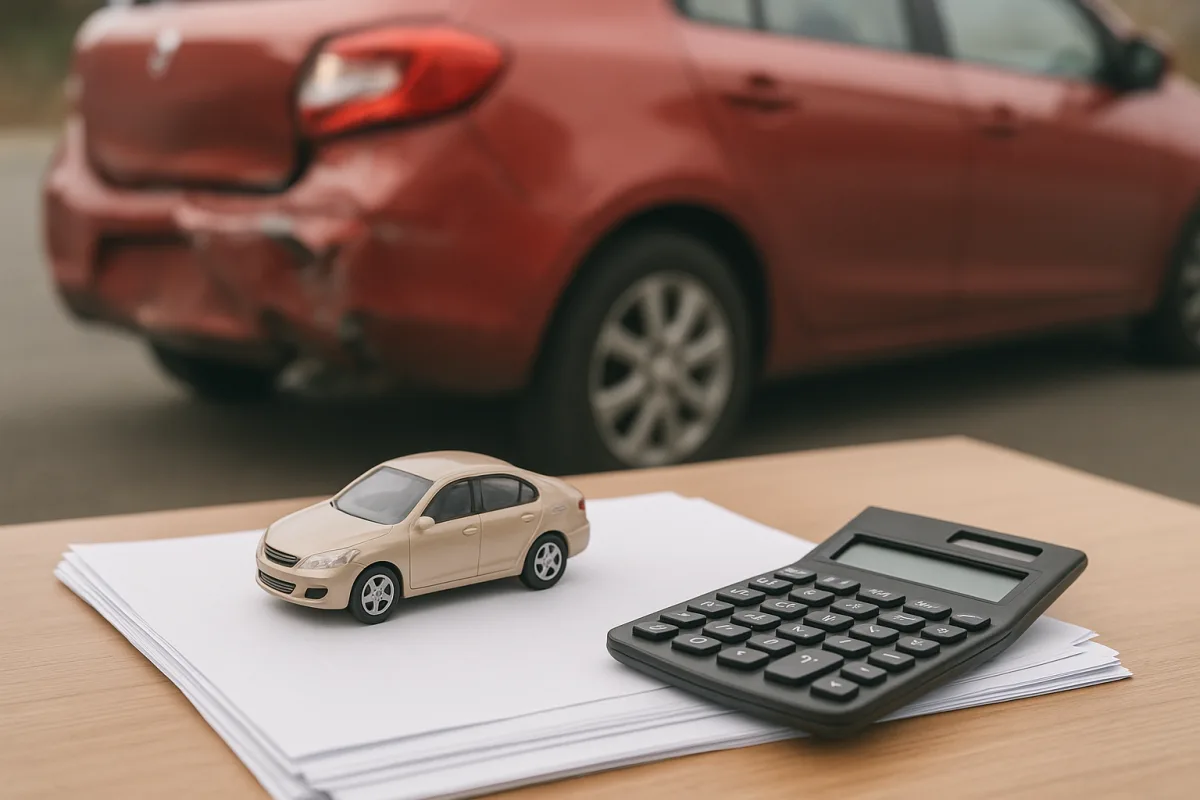
What does diminished value compensation mean?
Vehicle diminished value refers to the decrease in a car’s used-market price after a traffic accident, even if the vehicle has been repaired. Since records such as bodywork, chassis, paint or replaced parts can affect resale value, vehicle owners may claim compensation for this difference under certain conditions.
This claim is generally assessed within the framework of the at-fault party’s liability and the relevant insurance coverage. However, not every type of damage automatically creates diminished value; factors such as the vehicle’s age, mileage, whether it has previously suffered severe damage, and the nature of the loss are reviewed case by case.
What are the application conditions and when can a claim be made?
Key criteria in a diminished value claim
One of the most critical issues in a diminished value compensation claim is the degree of fault. In general, a driver who is entirely at fault is not expected to claim under this category for their own vehicle. It is also important that the damage occurred in a part of the car that genuinely affects its market value.
- The applicant must not be fully at fault for the crash
- The damage must have been repaired and officially recorded
- The damage must be of a type that can affect the vehicle’s resale value
- The claim must be supported by documents and an appraisal report
In some vehicles, previous damage, very high mileage or a commercial-use history can change the assessment. For that reason, having the file reviewed by an expert before applying may help prevent later objections.
What documents may be required?
Although the required paperwork varies depending on the file, the crash report, vehicle registration, repair invoices, service records, damage photos and an expert report are usually among the key documents. Identification, contact details and bank account information for payment may also be added to the application file.
How does the application process work?
First step: apply to the insurance company
In practice, the process usually begins with a claim filed against the mandatory motor third-party liability insurance of the at-fault vehicle. Submitting complete documents that show the nature of the damage and the vehicle’s loss in value helps the review process proceed more smoothly.
What can be done if there is a dispute?
If no payment is made after the application, if there is a claim of underpayment, or if there is disagreement over the fault assessment, different legal routes may come into play. Depending on the file, applications to bodies handling insurance disputes or court proceedings may be considered. At this stage, it is important for the applicant to keep technical reports and repair documents in the file in an organized way.
In short, how well the file is documented matters just as much as the application conditions. To avoid losing rights after a crash, it may be useful to handle the process with the insurance company, appraisal experts and, if necessary, legal advice together.
"""




Comments (0)
No comments yet. Be the first to comment.
Write a Comment
Yorum yazmak için giriş yapın. Üyelik ücretsiz; yorumunuz editör onayından sonra yayımlanır.