
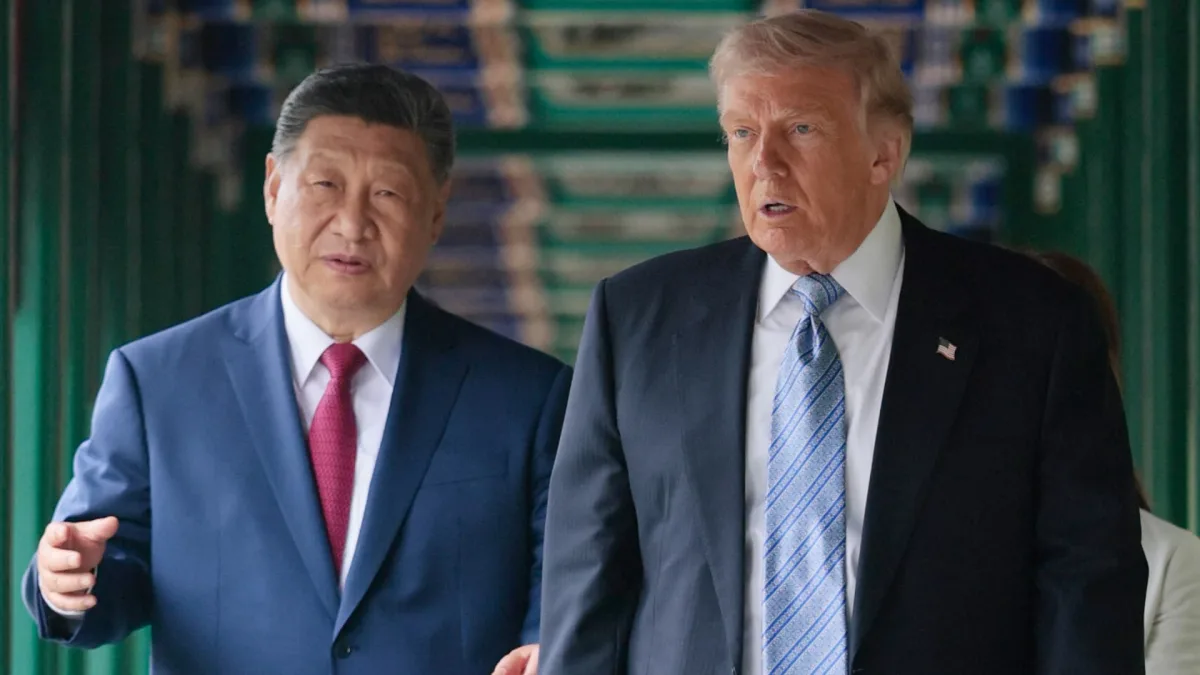
Why are expectations low for the Sept. 24 Washington meeting?
As the countdown continues to the Trump-Xi summit, expectations are weak that the Sept. 24 meeting planned in Washington will produce a wide-ranging economic breakthrough. Analysts say the two sides may focus more on preserving the current trade truce than on agreeing a new framework deal.
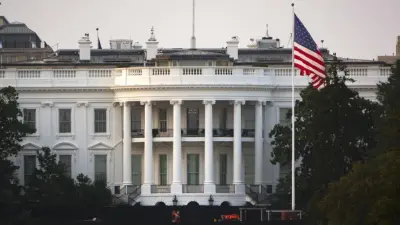
China has not yet officially confirmed President Xi Jinping's visit. Even so, reports that the White House is preparing a formal state dinner have raised the diplomatic profile of the meeting and pushed investors to focus on the messages sent ahead of the summit.
The Trump-Xi meeting held in Beijing four months ago, despite the warm reception, produced only a limited number of concrete trade outcomes. While little progress was made on issues such as Iran and Taiwan, this time too the main goal of the talks may be to manage the impasse rather than resolve it.
Iran sanctions are on the table, but may not be the main item
U.S. Treasury Secretary Scott Bessent's plan for new sanctions targeting Iran's business partners creates a risk that could, in theory, directly affect China as well. Beijing is Tehran's largest trading partner, but imposing harsh sanctions on Chinese banks or institutions could also undermine the fragile trade truce between the two countries, narrowing Washington's room for maneuver.
China's decision to be the only country to object to the joint statement at the G20 finance ministers' meeting in North Carolina also exposed the differences between the world's two largest economies. The objection reportedly focused on language saying countries with large external surpluses distort trade, as well as wording related to the war in Iran.
- The U.S. says China should help find a solution on Iran.
- Beijing says it opposes unilateral sanctions that lack United Nations Security Council approval.
Which numbers matter most for markets?
One of the key figures investors are watching is the average U.S. tariff on Chinese imports, which stood at 36.5% in July. The rate is lower than a year ago, but it remains high, signaling that pressure from import costs and U.S. consumer prices has not disappeared entirely.
Some of the items announced in May have also not yet been finalized. The sides said they would set up a Trade Council and an Investment Council to deepen economic ties, and announced that China would buy 200 Boeing aircraft and purchase $17 billion worth of U.S. agricultural products. But the lack of detail at the time put downward pressure on U.S. soybean futures.
- The details of the Boeing deal have not been finalized.
- The proposed Trade Council has also not yet been completed.
- It has been confirmed that artificial intelligence will be on the summit agenda.
Election timing and financial system concerns
Xi's visit to the U.S. less than six weeks before the election also complicates the market calculus. High consumer prices remain a top election issue, while the prospect of Washington taking a very tough sanctions step against China raises concerns that it could rattle the global financial system.
Expectations center on managing the relationship, not a concrete deal
Experts say the leaders may issue new statements after the meeting, but these are expected to be largely framework-level in nature. As China analyst Craig Singleton put it, this is shaping up as a "low-expectations summit".
Against this backdrop, markets are mainly hoping the U.S. and China avoid a fresh rupture and keep existing channels of communication open. In the short term, controlled messaging rather than sharper rhetoric on Iran sanctions, tariffs, critical minerals and artificial intelligence may matter more for global risk appetite.
"""


Comments (0)
No comments yet. Be the first to comment.
Write a Comment
Yorum yazmak için giriş yapın. Üyelik ücretsiz; yorumunuz editör onayından sonra yayımlanır.