

Why are the Tramer record and inspection report important for a used car?
The Tramer record and inspection report are two of the most common checks used when buying a used car. But they do not mean the same thing: one shows the vehicle’s history as reflected in the insurance system, while the other reveals its technical and cosmetic condition at the time of inspection.
For that reason, relying on just one document may not be enough in a car purchase or sale. Especially in vehicles with a damage record or an unclear history, reviewing both the record and the physical inspection together helps form a more reliable assessment.
What does a Tramer record show, and what does it not show?
In everyday use, the system commonly referred to as the Tramer record helps show damage information reflected in insurance processes. This record is an important reference for understanding whether the vehicle has previously been part of an insurance claim because of an accident or damage.
Key functions of a Tramer record
- It gives an idea of damage history reported to insurance.
- It may offer indirect clues about replaced parts or repaired areas.
- It helps determine whether there is a recorded damage file in the vehicle’s history.
On the other hand, a Tramer record does not explain every situation on its own. Repairs that never reached insurance, undocumented work, or the vehicle’s current mechanical condition may not appear in detail in this document. So a vehicle with a clean Tramer record is not necessarily trouble-free.
What does an inspection report provide, and where can it fall short?
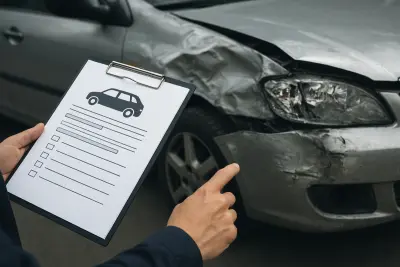
The inspection report focuses on the vehicle’s condition at the time it is examined. Checks on areas such as the bodywork, paint, chassis, engine, drivetrain, and in some cases electronic systems provide a more concrete picture of the car’s current condition.
Information the inspection report provides to buyers
- Paint and replaced-part checks can help reveal the vehicle’s physical condition.
- Important issues in mechanical components can be identified.
- It can be assessed whether work has been done on the chassis, pillars, or other safety-critical areas.
However, an inspection report is not an absolute guarantee either. It reflects the vehicle’s condition on the date it was prepared and may not reveal every incident from the past. Its scope can also vary depending on the method used and the depth of the inspection.
Which one is enough in a car purchase, and how should they be read together?
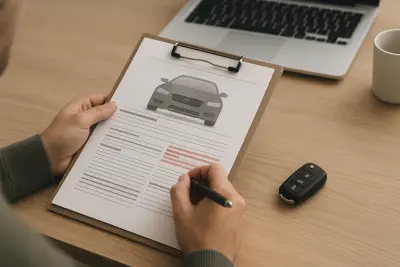
In the car buying and selling process, the ideal approach is to evaluate the Tramer record and the inspection report together. The Tramer record shows the insurance trail from the past, while the inspection report helps explain the car’s current technical condition.
Key points to consider when deciding
- Check whether the Tramer record and the inspection findings are consistent with each other.
- Even if there is no record, do not rule out the possibility of paintwork, replaced parts, or mechanical issues.
- Do not assume that the entire history of the vehicle is known just because you looked at the inspection report.
In short, the Tramer record tells the story of the past, while the inspection report describes the present condition. Reading these two sources together when buying a used car helps the buyer assess risks more accurately and make a more informed decision.




Comments (0)
No comments yet. Be the first to comment.
Write a Comment
Yorum yazmak için giriş yapın. Üyelik ücretsiz; yorumunuz editör onayından sonra yayımlanır.