
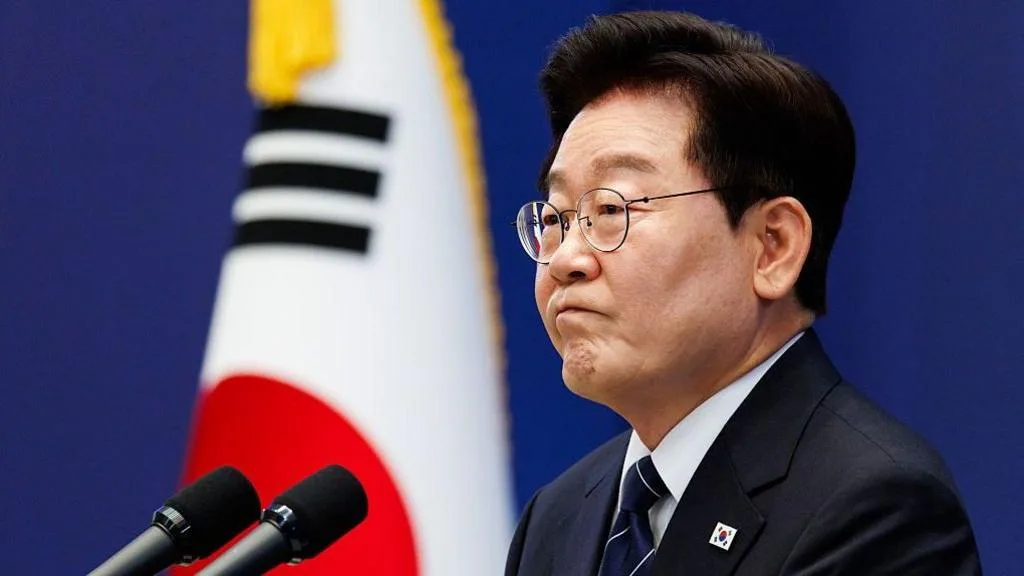
Seoul demands a public apology from Kyiv
The prisoner-of-war dispute has turned into a diplomatic rift between South Korea and Ukraine. South Korean President Lee Jae Myung warned that Seoul could take additional steps if Ukraine does not apologize publicly. Lee said the issue was not just a diplomatic detail, but something tied to the country’s honor and the seriousness of the state.
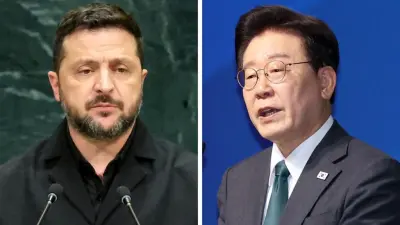
At the center of the crisis is Ukrainian President Volodymyr Zelenskiy’s announcement last week at the United Nations General Assembly that two North Korean prisoners of war had been sent to South Korea. Seoul reacted angrily, saying the information was supposed to remain confidential.
How the secrecy dispute escalated
Ukraine’s Foreign Minister Andrii Sybiha described the incident on Thursday as a
“diplomatic misunderstanding”and said efforts were under way to resolve it. Sybiha also said South Korea was an important country for Ukraine and expressed hope that momentum and tangible results would continue in the relationship.
Seoul, however, said the secrecy had been maintained at Kyiv’s specific request. According to the South Korean presidential office, the reasons for that request were:
- to protect the families of the North Korean soldiers;
- to avoid criticism that Ukraine had missed a chance to exchange them for Ukrainian prisoners.
Zelenskiy’s office said there had been no such secrecy agreement between the two countries. The statement deepened the rift between the sides.
Domestic pressure and the future of ties
Lee Jae Myung also came under criticism at home after Zelenskiy’s remarks. South Korea’s opposition accused the government of hiding the transfer process from the public to avoid angering Pyongyang.
The two soldiers were among thousands of North Korean troops supporting Moscow in Russia’s war against Ukraine. Speaking previously to local media, the soldiers said they wanted to go to South Korea.
Seoul has maintained a politically supportive line toward Ukraine since Russia’s full-scale invasion. But South Korea has also continued its long-standing policy of not supplying lethal weapons to countries actively at war. The latest tension is therefore seen as a new test of the delicate balance between the two nations.


Comments (0)
No comments yet. Be the first to comment.
Write a Comment
Yorum yazmak için giriş yapın. Üyelik ücretsiz; yorumunuz editör onayından sonra yayımlanır.