
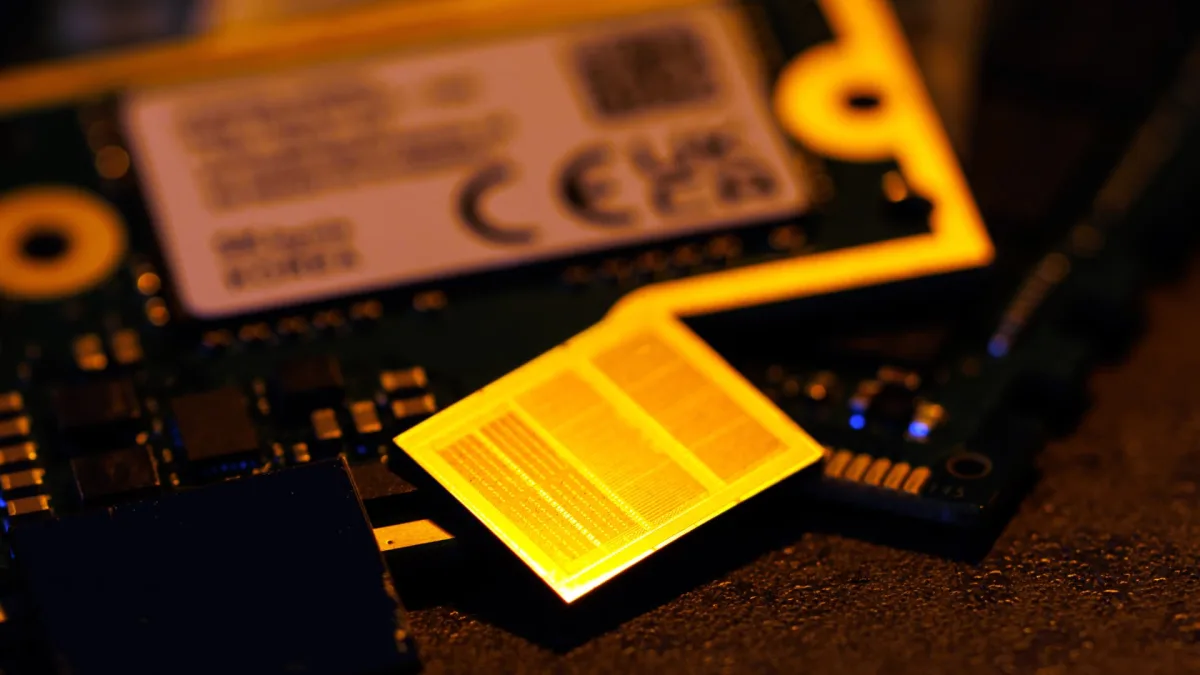
Semiconductors are at the heart of record exports
South Korea’s chip exports soared 209% year on year in August to an all-time high of $46.65 billion. According to data from the Ministry of Trade, Industry and Energy, semiconductors accounted for 47.5% of the country’s total goods exports of $98.25 billion in the same month.
The main driver of export performance in Asia’s fourth-largest economy was demand linked to artificial intelligence infrastructure. The ministry said higher capital spending by major cloud service providers such as Google and Amazon supported semiconductor shipments.
Why is the rapid rise being watched cautiously?
Analysts say most of August’s export increase came from chips. While the picture is positive in the short term for trade and growth, the key question in markets is how long the momentum can last and which other sectors could help balance the economy if growth slows.
Tight monetary policy could limit the buffer
The Bank of Korea (BOK) raised its policy rate to 3% in August, marking a second consecutive increase as core inflation remained elevated. Moody’s Analytics said if softer chip demand coincides with tighter monetary policy, it may be difficult for domestic demand to fill the gap.
Pressure continues in traditional sectors
The picture outside semiconductors is more mixed. Auto exports fell 29.8% year on year in August; while the ministry said the decline was affected by the summer holiday schedule and partial strikes, some analysts say U.S. tariffs and the shift of production to American facilities are creating more lasting pressure.
- A possible cooling in chip demand could cause export growth to slow sharply.
- Tighter monetary policy may limit domestic consumption’s ability to fill the gap.
Can other items sustain growth?
Even so, the data also show that the economy is not entirely dependent on a single sector. In its August monetary policy decision, the BOK said the recovery in consumption was gradually accelerating, while ministry data showed non-semiconductor exports also rose 20% in the same month.
Homin Lee of Lombard Odier said that even if chip momentum weakens, South Korea could keep annual real growth in the roughly 2% to 3% range if other cyclical sectors remain strong. Jeff Ng of Sumitomo Mitsui Banking Corporation said he expects some slowdown because of base effects and stabilizing prices, but still sees total export growth remaining positive over the next 12 months.
Markets are therefore closely watching whether AI-driven external demand will continue, and how much sectors such as autos and domestic consumption can contribute to growth. While South Korea’s near-term outlook remains strong, whether record chip performance alone can provide lasting balance is emerging as the main risk question.





Comments (0)
No comments yet. Be the first to comment.
Write a Comment
Yorum yazmak için giriş yapın. Üyelik ücretsiz; yorumunuz editör onayından sonra yayımlanır.