
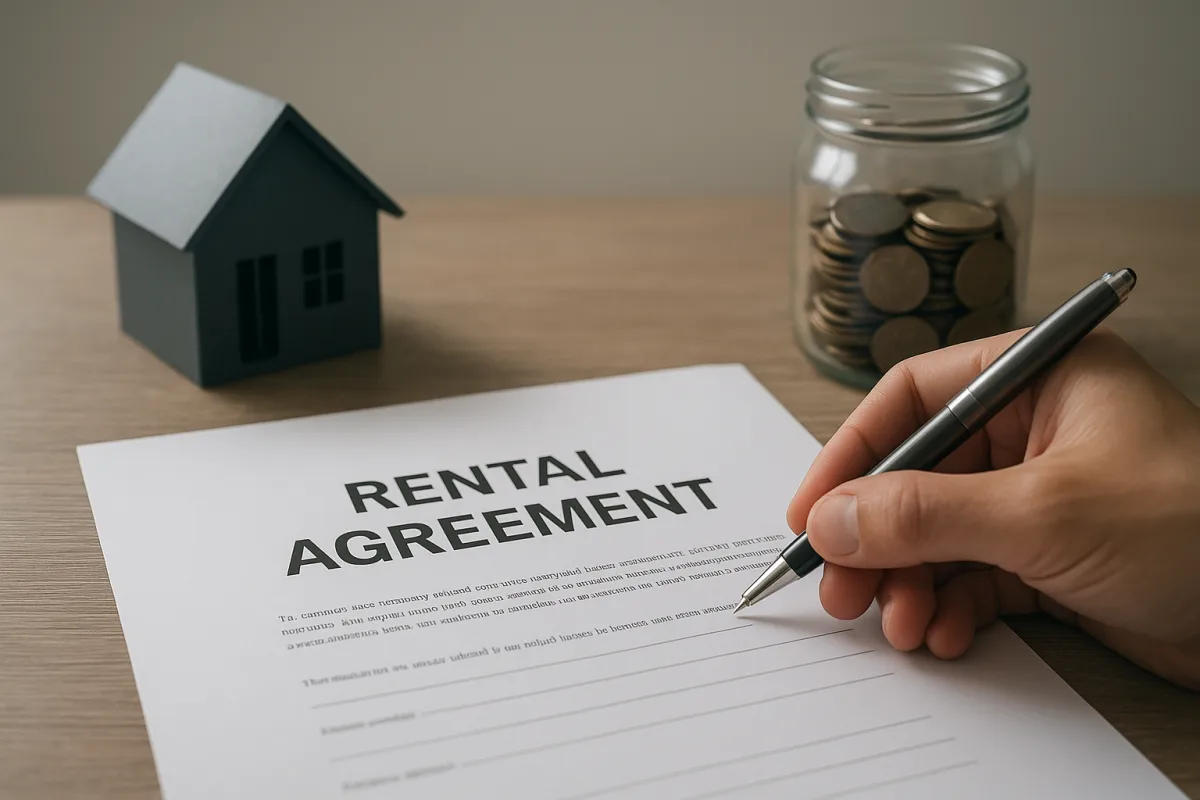
When does a rental deposit come into play?
Rental deposit repayment is one of the most disputed issues after a tenant moves out. When a lease agreement ends, the key question is the condition in which the home was handed back and whether the tenant fulfilled their contractual obligations.
In general, if the rented property is returned in a condition close to how it was received, apart from normal wear and tear, the case for repayment becomes stronger. On the other hand, unpaid rent, documented damage, or failure to meet certain obligations left to the tenant under the contract may lead to deductions being discussed.
When can deductions be made?
Landlord obligations matter here just as much as the tenant’s responsibilities. For a deduction to be made, the claimed damage or debt is expected to be shown clearly; a general complaint is usually not enough on its own.
- Unpaid rent or expenses that can clearly be shown to belong to the tenant and have accumulated up to the handover date
- Broken, removed, missing fixtures or damage requiring repair that goes beyond normal use
- Costs arising from use of the property in breach of the contract
By contrast, minor marks that appear over time on walls, ordinary floor wear, or small scuffs from daily use may not automatically count as damage in every case. The assessment is often clarified through the handover report, photos, invoices, and the parties’ written exchanges.
Tenant rights and what to watch for during handover
Tenant rights protect against the deposit being withheld arbitrarily. For that reason, it is important, if possible, for both parties to inspect the home together on move-out day, check the meters, and record the handover of the keys.
Which documents matter for proof?
Most disputes arise because verbal statements are later interpreted differently. That is why a written, documented process is in both parties’ interests.
- Handover reports prepared at move-in and move-out
- Photo or video records
- Bank transfer receipts or receipts showing the deposit was paid
- Invoices for repairs, cleaning, or missing items, if any
A practical approach
Before moving out, the tenant can review the condition of the property and fix minor issues. If the landlord wants to make deductions, they should explain them item by item and support them with documents. Carrying out payment and handover through the bank helps reduce disputes that may arise later.
What can be done if there is a dispute?
If there is no agreement over all or part of the deposit, it is helpful to first communicate in writing and clearly set out the points of objection. If no solution is reached, legal remedies may be considered; at that stage, the lease text, handover records, and payment documents become decisive.
In short, the main criteria for returning a deposit are the condition in which the property was handed over, any provable damage, and whether any outstanding debts remain. A transparent, documented process based on mutual confirmation stands out as the safest method for both tenant and landlord.
"""



Comments (0)
No comments yet. Be the first to comment.
Write a Comment
Yorum yazmak için giriş yapın. Üyelik ücretsiz; yorumunuz editör onayından sonra yayımlanır.