
Why couldn’t the jury reach a verdict?
In the Lindsay Clancy trial, jurors told the court after four days of deliberations that they had not been able to reach a unanimous verdict. Judge William Sullivan asked the jury to continue deliberating in the Massachusetts case; after several more hours of discussion on Tuesday, the panel was dismissed for the night and told to return in the morning.
Thirty-six-year-old former nurse Lindsay Clancy is accused of killing her three children at the family home in 2023. The defense does not dispute that Clancy killed the children, but argues that she was suffering from postpartum psychosis at the time and could not tell right from wrong.
What happened in court
Jury deliberations began last week after weeks of testimony and dozens of witnesses. There was visible surprise in the courtroom when the note saying the nine women and three men on the jury were deadlocked was read aloud.
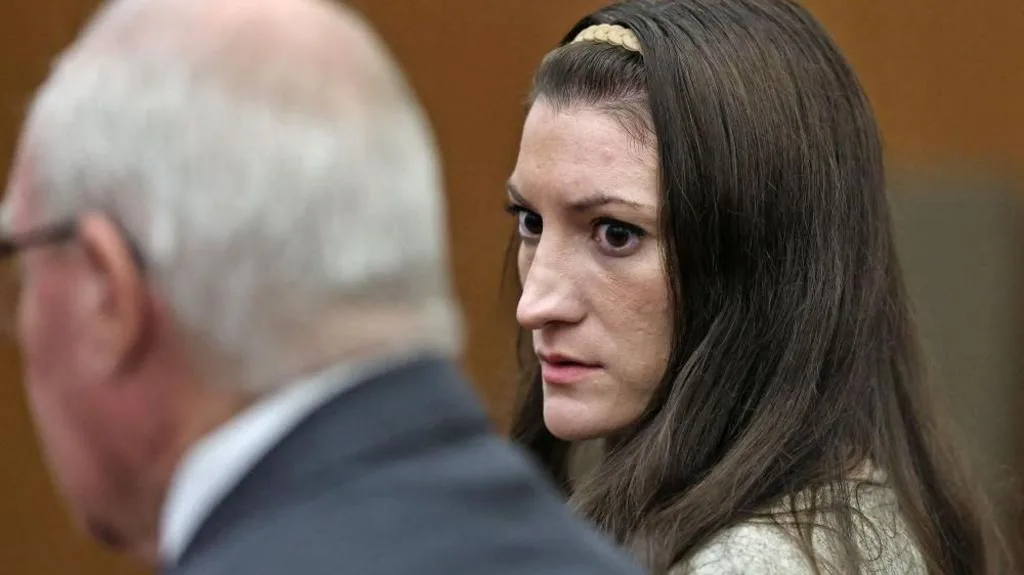
Clancy, who was left paralyzed after jumping from a second-floor window shortly after the killings, appeared in court in a wheelchair beside her lawyer. Prosecutors, meanwhile, say the defendant deliberately and methodically decided to kill her children.
What are the charges and the defense at the center of the case?
According to the indictment, Clancy strangled her children with fitness bands at their home in Massachusetts in January 2023: Cora, 5; Dawson, 3; and Callan, 8 months old. She faces three counts of first-degree murder.
The defense argues that postpartum psychosis, a severe mental health condition that can develop after childbirth, would have eliminated the defendant’s criminal responsibility. Prosecutors, by contrast, say the killings were premeditated.
Experts say it is not unusual for juries to struggle to reach a unanimous decision in emotionally charged cases closely followed by the public. If the deadlock continues, the judge could give the jury an additional instruction known in Massachusetts law as a Tuey-Rodriguez charge, encouraging jurors to re-examine different viewpoints; if that still fails, a mistrial remains an option.
What are the possible outcomes for the jury?
If the jury reaches a verdict, several outcomes are possible in the case:
- If it returns a first-degree murder verdict, Clancy would face a mandatory life sentence without the possibility of parole.
- The court could also find her guilty of a lesser offense, such as second-degree murder or manslaughter, in which case prison time would still be on the table.
- If Clancy is found not guilty by reason of insanity, she would not be released; instead, she would be sent to a psychiatric hospital for regular review and could spend the rest of her life there.
The jury will reconvene on Wednesday. The key question at that point will be whether the panel can finally agree on a single verdict.
"""





Comments (0)
No comments yet. Be the first to comment.
Write a Comment
Yorum yazmak için giriş yapın. Üyelik ücretsiz; yorumunuz editör onayından sonra yayımlanır.