
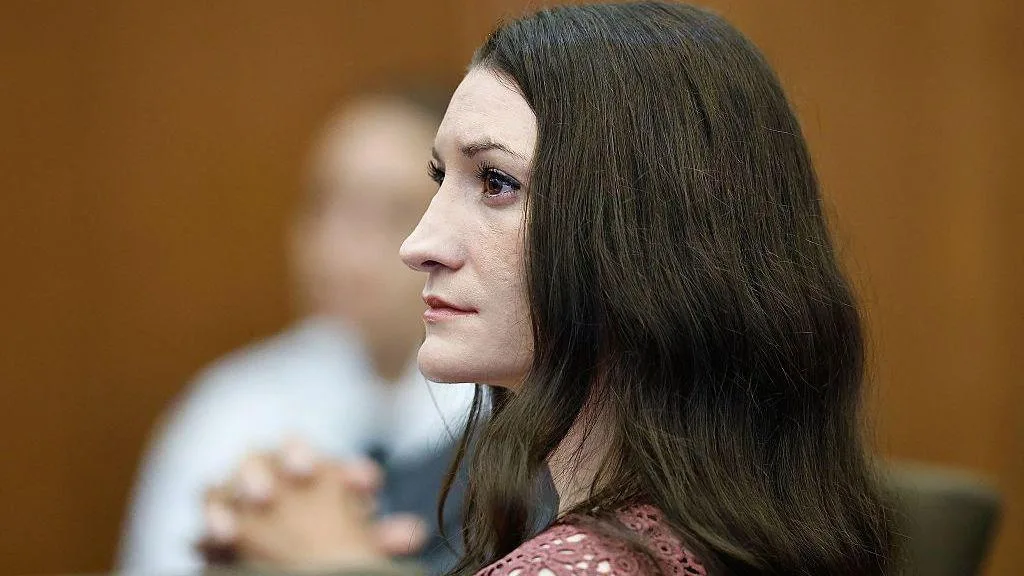
New hearing held in the Lindsay Clancy case
The Lindsay Clancy case returned to court after the first trial ended without a jury verdict. In the hearing in Massachusetts, the defense asked the judge to dismiss the case, while prosecutors said they had presented enough evidence to support the murder charges.
Thirty-six-year-old Lindsay Clancy does not deny that she killed her three children in 2023. But her defense argues that she was suffering from severe postpartum psychosis at the time and therefore was not criminally responsible. Prosecutors, however, say the acts were deliberate and intentional.
What arguments did the sides present in court?
Defense asks for the case to be dismissed
Clancy's lawyer, Kevin Reddington, argued that under Rule 25 in Massachusetts law, his client should be found not guilty. The rule allows a judge to rule in the defendant's favor when prosecutors have not adequately proved their case.
Reddington also presented a new defense line, saying there was not enough evidence to prove that Clancy killed her children. That approach marked a different framework from the first trial, which focused largely on the defendant's mental health.
Prosecution repeats intentional-killing claim
Prosecutor Shanan Buckingham said the state had presented jurors with extensive evidence indicating that Clancy was in a sound mental state at the time of the incident. According to prosecutors, Clancy knew what she was doing when she killed her children Cora, Dawson and Callan in their home in Massachusetts.
Court records show the children were 5 years old, 3 years old and 8 months old, respectively. For that reason, prosecutors opposed the request to dismiss the charges.
Will there be a retrial?
Nov. 2 set for a decision
Judge William Sullivan said the defense's dismissal request, along with other issues, will be addressed at the Nov. 2 hearing. At this stage, it is not yet clear whether Clancy will face a new trial.
The judge asked both sides to come prepared to discuss possible new trial dates. Reddington said that if the case is retried, he could not appear for a hearing before June at the earliest.
Why did the first trial end without a verdict?
The Massachusetts jury told the court in early September that it had been unable to reach a unanimous decision after roughly a week of deliberations. Because one juror held a different view, the judge declared a mistrial on Sept. 4, ending the trial without a verdict.
- Prosecutors have not yet decided whether to bring the murder case again.
- District Attorney Timothy Cruz said reviews were still underway before any decision.






Comments (0)
No comments yet. Be the first to comment.
Write a Comment
Yorum yazmak için giriş yapın. Üyelik ücretsiz; yorumunuz editör onayından sonra yayımlanır.