
What do the 2026 figures show?
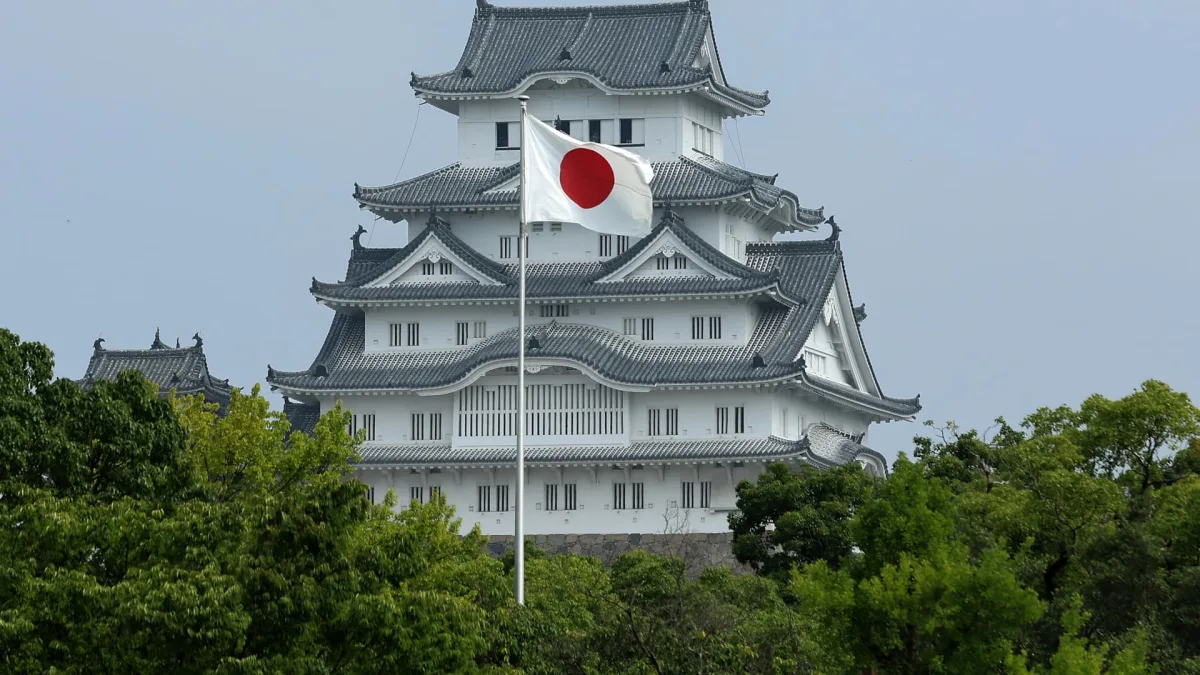
Bankruptcies among century-old companies in Japan reached a historic high in the first eight months of 2026. According to data from Teikoku Databank, the number of bankruptcies among businesses with more than 100 years of history rose to 112, underscoring the growing pressure even on long-established firms.
The data showed that bankruptcies linked to price increases climbed 23.8% to 556 in the first half of 2026. Over the same period, bankruptcies tied to labor shortages rose to 227, while those associated with a lack of successors increased 16.9% to 312.
- A shrinking domestic market and an aging population are intensifying competitive pressure on companies.
- Rising raw material and labor costs are squeezing margins, especially for businesses with limited pricing power.
Which companies are in the spotlight?
Kadoya prepares to leave the stock market
Kadoya Sesame Mills, founded in 1858, is a long-established sesame oil producer that has witnessed Japan’s transformation. After going public on the Jasdaq stock exchange in 2004, the company is now preparing to return to private ownership through a tender offer backed by Japanese private equity firm Integral.
The move comes as raw material costs rise and geopolitical risks increase. Analysts say family ownership, strong local ties and cautious balance-sheet management helped such companies survive for decades in Japan, but weakening expectations for sustained profitability are narrowing strategic options.
Sube Shoten has halted operations
The tofu producer Sube Shoten, founded in 1877, halted operations in May and began preparing a bankruptcy filing. Low profit margins and sharply rising raw material costs in recent months have significantly worsened the company’s business outlook.
What signals are emerging for the market?
Experts from Oxford Economics and S&P Global Market Intelligence say the problem cannot be reduced to a single factor. When a weak yen, corporate governance reforms, activist pressure, wage and interest expenses, and succession issues are considered together, owners and boards are more seriously weighing restructuring, partnerships or delistings.
This picture points to a period in which financing and governance structures are being reshaped for Japan’s legacy companies. Businesses that rely heavily on the domestic market, cannot fully pass on higher costs and struggle to hire workers are emerging as the most vulnerable group in the rest of 2026.
"""




Comments (0)
No comments yet. Be the first to comment.
Write a Comment
Yorum yazmak için giriş yapın. Üyelik ücretsiz; yorumunuz editör onayından sonra yayımlanır.