
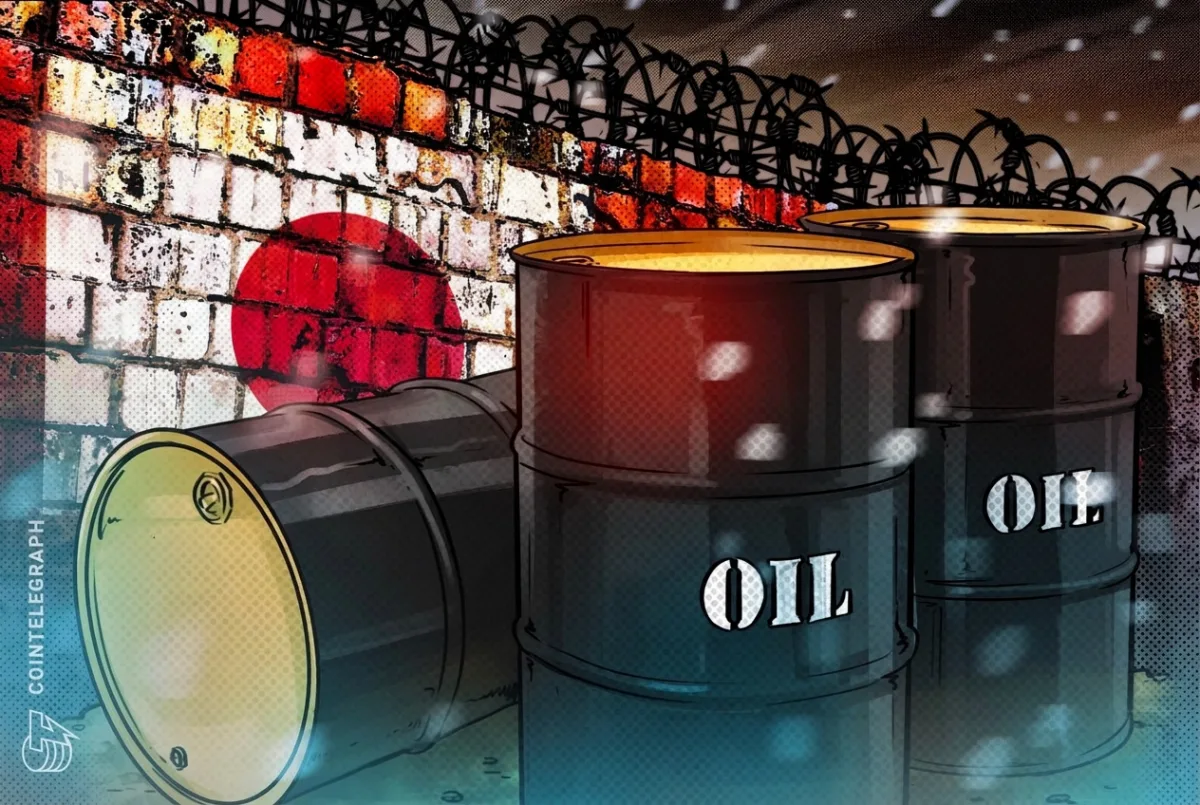
Garantex stands out in Japan’s new sanctions package
Garantex has been added to Japan’s expanded sanctions list against Russia. According to a joint statement issued on Friday by Japan’s Foreign Ministry, Finance Ministry and Ministry of Economy, Trade and Industry, the decision was taken under asset-freeze measures that restrict payments and capital transactions with designated parties.
Tokyo said the move was intended to keep up pressure on Russia over the war in Ukraine. The inclusion of the crypto exchange shows that sanctions are no longer limited to traditional financial channels, but also extend to digital asset platforms.
Individuals, entities and shadow fleet vessels also added
In the new sanctions round, not only Garantex but also 33 Russia-linked entities and 9 individuals were added to the asset-freeze list. Japan also targeted 35 vessels belonging to the so-called shadow fleet, which is said to transport Russian oil and help evade existing restrictions.
The measures against these vessels place restrictions particularly on the following areas:
- Providing maintenance and repair services for ships
- Offering insurance and similar guarantee services
Japanese officials say the steps are aimed at reducing Russia’s income from crude oil exports. Targeting energy revenue suggests sanctions could have a wider market impact through logistics, insurance and payment channels.
Sanctions effectiveness in crypto markets remains debated
Garantex had already been placed on sanctions lists by the United States, the European Union and some other jurisdictions. The justification was allegations that the platform helped Russia-linked actors bypass financial restrictions.
Even so, questions remain about the practical impact of sanctions. According to blockchain intelligence firm TRM Labs, structures like Garantex may be able to prepare in advance for possible sanctions and quickly move customers, infrastructure and funds to new platforms.
It was previously reported that the U.S. Treasury Department’s Office of Foreign Assets Control (OFAC) later sanctioned Garantex a second time, along with Grinex, which was described as its successor. The latest Japanese decision has raised compliance risks in crypto markets while putting the debate over sanctions enforcement and effectiveness back in the spotlight.





Comments (0)
No comments yet. Be the first to comment.
Write a Comment
Yorum yazmak için giriş yapın. Üyelik ücretsiz; yorumunuz editör onayından sonra yayımlanır.