
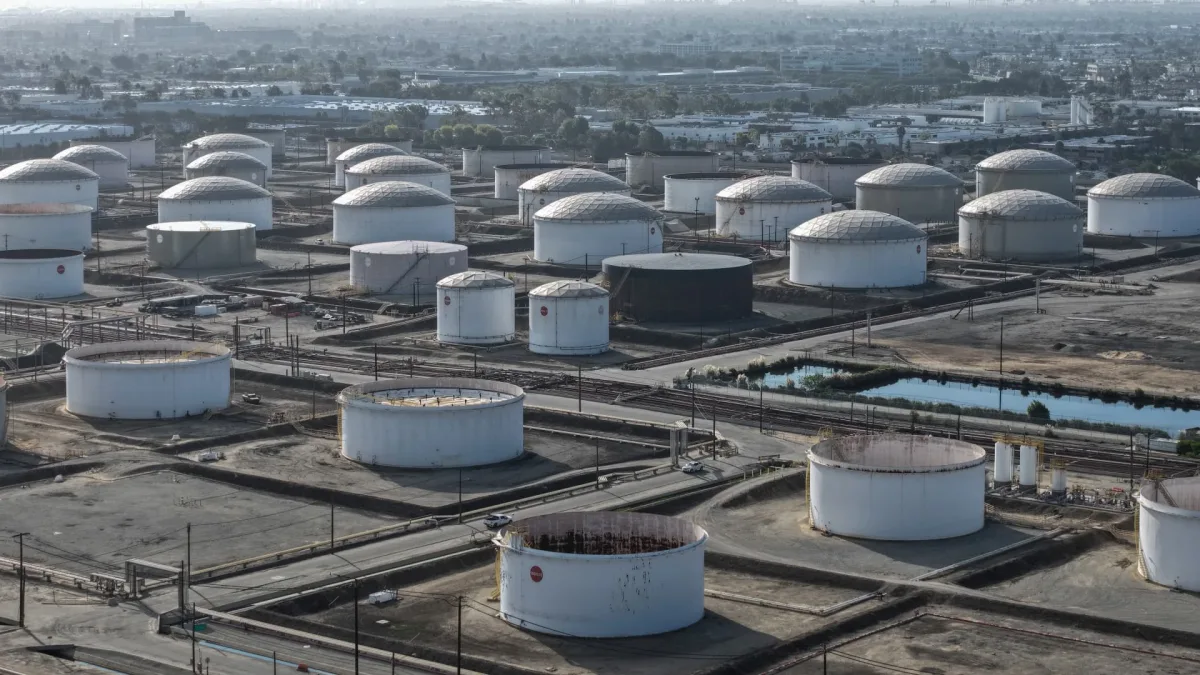
Prices ease after G7 reserve decision
Oil prices posted modest declines on the final trading day of the week. After the G7 countries decided to bring diesel and crude stockpiles to market in an effort to ease rising fuel costs, the international benchmark Brent crude fell 6 cents to close at $102.25 a barrel. U.S. West Texas Intermediate (WTI) dropped $1.76 to $91.11.
According to a joint statement from G7 leaders, the group will release a total of 100 million barrels of reserves over the next four months. The first phase of the plan calls for a front-loaded, high-volume diesel release within the first 20 days.
- A total of 100 million barrels will be released over four months.
- A heavier diesel supply will be provided in the first 20 days.
The decision strengthened expectations that supply pressure in refined products could ease in the short term. The coordinated move by France, Canada, Germany, Italy, Japan, the United Kingdom and the United States was seen as a joint response to rising energy prices.
Middle East tensions keep a risk premium in the market
Even so, tensions in the Middle East remained the main factor limiting losses. According to regional and Western officials speaking to Reuters, Saudi Arabia is planning an operation against Iran-backed Houthi forces in Yemen.
The market had already priced in military activity in the region in the previous session. Oil prices had closed higher in the prior trading session after reports that the U.S. had sent a third aircraft carrier strike group to the Middle East.
U.S. diesel supply and Europe’s vulnerability
The U.S. administration is urging Europe to tap diesel stocks because of the global fuel shortfall created by the wars in Eastern Europe and the Middle East. Treasury Secretary Scott Bessent said this tightness should not be left to fall on U.S. farmers, truckers and businesses.
President Donald Trump had also raised the possibility of banning diesel exports, but later adopted a more cautious stance this week because of the potential impact on gasoline prices. Data from the International Energy Agency show that the U.S. supplied about half of the European Union's diesel imports in August. That suggests any export restrictions would be closely watched for their impact on EU energy supply.
"""




Comments (0)
No comments yet. Be the first to comment.
Write a Comment
Yorum yazmak için giriş yapın. Üyelik ücretsiz; yorumunuz editör onayından sonra yayımlanır.