
What does the new deportation plan include?
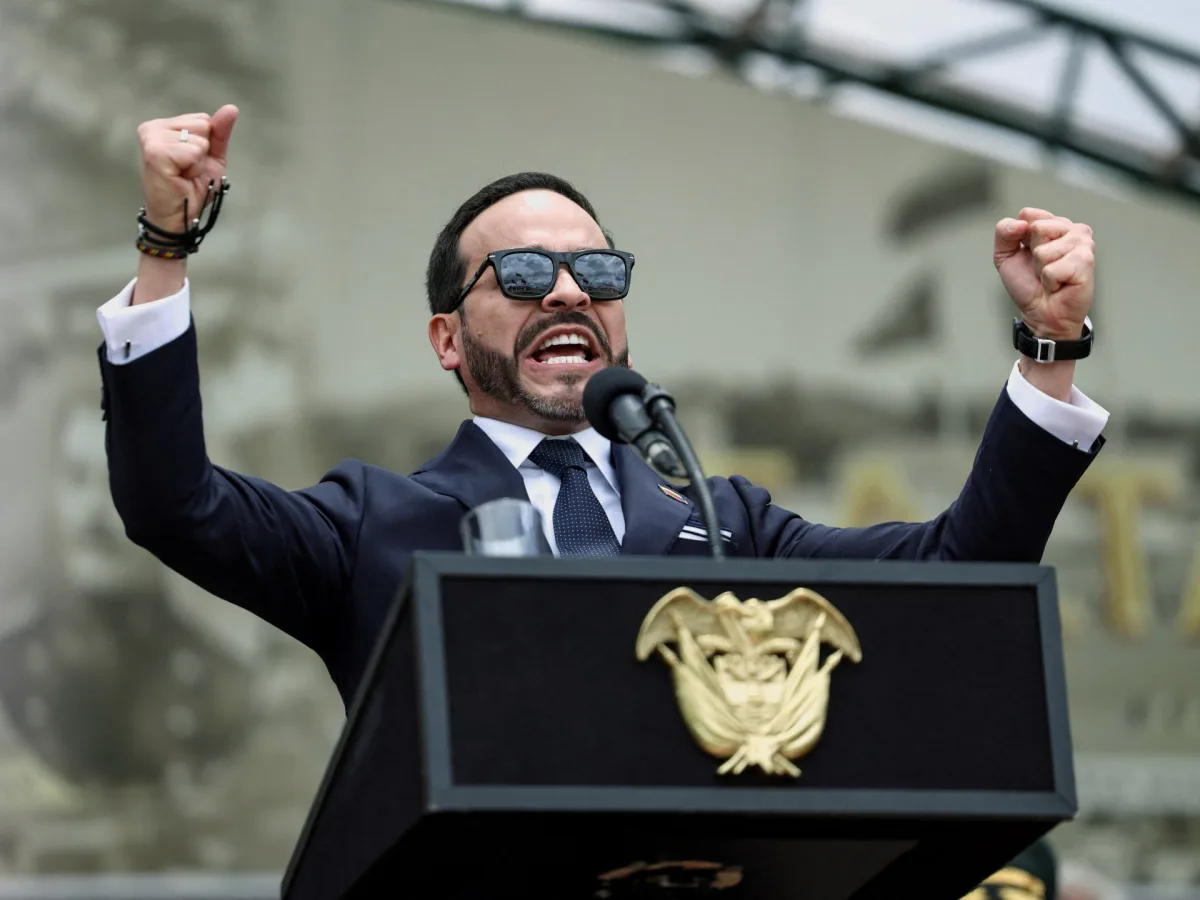
Colombia’s deportation plan came to light after Abelardo de la Espriella, who took office this month, issued instructions during a security council meeting on Sunday. The head of state said police operations against foreigners in irregular status could begin this week. The government is expected to target people accused of crimes first, followed by those whose immigration status is not in order.
The measure is expected to affect Venezuelan migrants the most. According to the Organisation for Economic Co-operation and Development (OECD), about 95% of migrants in Colombia are Venezuelan. Migration authorities say that of the roughly 2.8 million Venezuelans living in the country, about 2 million have Temporary Protection Status (PPT), while an estimated 500,000 either lack legal status or have lost it because their temporary permits expired.
- 2.8 million Venezuelans live in Colombia.
- About 2 million hold Temporary Protection Status (PPT).
- An estimated 500,000 people do not have regular immigration status.
Why are the opposition and migrant communities objecting?
The decision drew strong criticism from the opposition, including Ivan Cepeda, leader of Historic Pact, the largest party in Congress, and fellow bloc lawmaker Maria del Mar Pizarro. Opponents argue that people who commit crimes should be prosecuted, but irregular immigration status alone should not be equated with criminality. Pizarro said deportation alone would not permanently solve the issue because of the permeability of the roughly 2,200-kilometer land border.
Pilot rollout in Barranquilla and growing concerns
The government said the operation will first be tested in the coastal city of Barranquilla as a pilot program. An estimated 182,000 Venezuelans live there. Juan Carlos Viloria Doria, vice president of Barranquilla’s Venezuelan association, warned that conflating irregular status with criminality could deepen prejudice against the community.
Ronald Vergara, who supports migrants, said many people have lived without documents for years because of administrative delays and warned that mass deportations could have humanitarian consequences. Vergara said he only received PPT status a few months ago after living in Colombia for about 10 years, while thousands, including his son, are still waiting for paperwork. Migrant representatives also stress that some deported people could face political persecution in Venezuela.
United Nations experts and human rights groups have criticized the Maduro government over allegations of arbitrary detention and torture targeting opponents. According to UN data, 7.6 million Venezuelans have left their country since 2014. The new approach in Colombia has therefore become a debate not only about security, but also about a broader regional humanitarian crisis.
How does this differ from Colombia’s previous migration policy?
The new move is being seen as a clear break from Bogotá’s integration-focused policies in recent years. Former President Juan Manuel Santos introduced a two-year special stay permit for Venezuelans in 2017, and the administration of Ivan Duque launched the PPT system in 2021. Gustavo Petro, who left office this year, had also taken a more open approach to migrants and supported warming ties with Venezuela.
Ronald Rodriguez of the Venezuela Observatory at Rosario University said the new rhetoric interrupts the inclusive language used for years. Even so, the government has not yet disclosed the details of the deportation plan. According to experts, the scope of the measure and how it will be implemented should become clearer in the coming days.
"""


Comments (0)
No comments yet. Be the first to comment.
Write a Comment
Yorum yazmak için giriş yapın. Üyelik ücretsiz; yorumunuz editör onayından sonra yayımlanır.