
Two new steps from the CFTC on event contracts
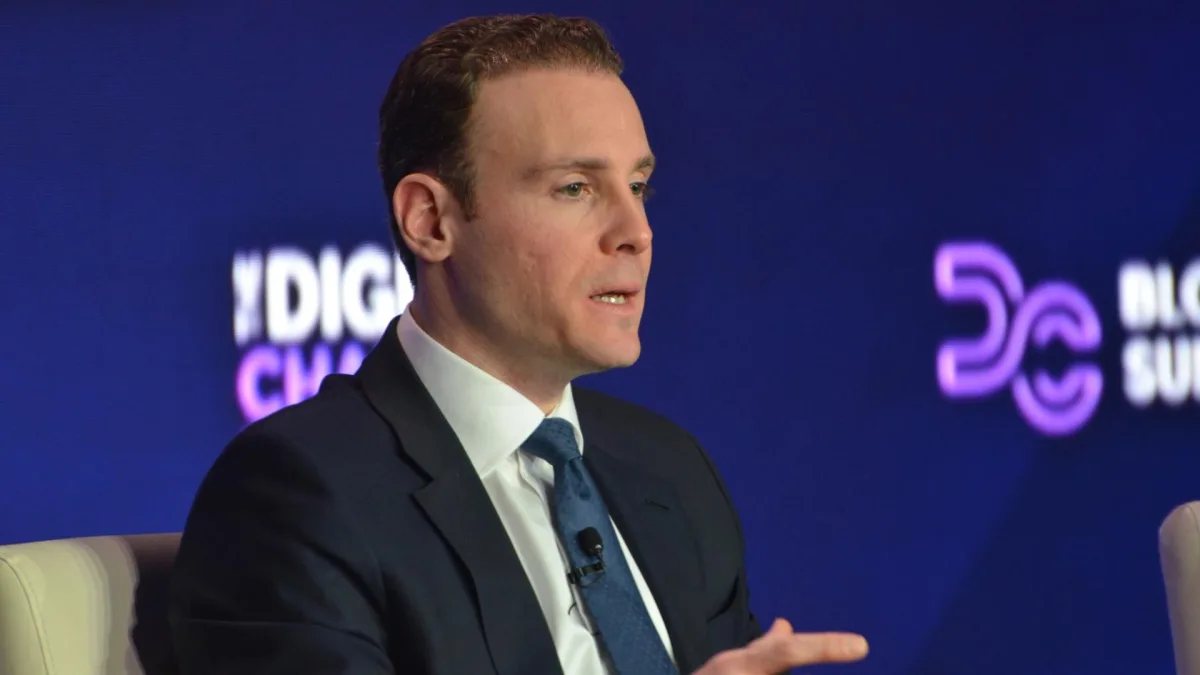
The U.S. Commodity Futures Trading Commission (CFTC) has sent two new rules on event contracts traded in prediction markets to the White House Office of Management and Budget (OMB). One draft aims to more clearly include these products in the definition of swaps, while the other seeks to draw a clear line between instruments covered as swaps and gambling products. The move is seen as a development that could weaken the illegal-gambling argument raised by states in lawsuits, particularly those filed against Kalshi.
The CFTC has recently taken on a more visible role as the federal regulator of prediction markets. These contracts, based on measurable outcomes such as sporting events or elections, are mostly binary yes-or-no trades and are traded on platforms including Kalshi, Polymarket, Crypto.com and Robinhood. The agency argues that it has jurisdiction over the sector.
Split court rulings have intensified the regulatory debate
Appeals courts are not aligned
The timing of the new steps is closely tied to conflicting rulings from federal courts. One recent decision said Kalshi’s sports-related contracts were not swaps and could therefore fall under state gambling laws. But an earlier federal ruling reached a different conclusion.
- The 6th U.S. Circuit Court of Appeals ruled last week that Kalshi’s sports-betting contracts are not swaps.
- The 8th U.S. Circuit Court of Appeals took the same approach in a similar case.
- The 3rd Circuit had previously ruled that the CFTC has proper jurisdiction over prediction markets.
This split at the federal level increases the likelihood that the case could eventually reach the U.S. Supreme Court. In the meantime, the CFTC has directly intervened in lawsuits brought by states and is arguing that it is the sole authority in the area.
OMB review and possible market impact
When could the rules take effect?
The filings that reached the OMB this week are generally seen as one of the final stages before a rule is opened to public comment. One of the filings is an “interim final rule,” meaning it can take effect immediately while still remaining open to comments and possible revisions. If event contracts are defined as swaps and the rules make it clearer that swap products are not gambling, the legal basis for many state lawsuits could be weakened.
The OMB notices on record are dated September 28, but the texts do not include details of the rules. The CFTC said it does not consider either rule to be “economically significant.” Although the agency is legally designed as a five-member commission, only chairman Mike Selig is currently serving as the sole member, giving him full control over regulatory and policy decisions for now. OMB records also show that the CFTC has submitted a new “advance notice of proposed rulemaking” focused on crypto regulation to the White House, though the scope of that initiative has not yet been disclosed.




Comments (0)
No comments yet. Be the first to comment.
Write a Comment
Yorum yazmak için giriş yapın. Üyelik ücretsiz; yorumunuz editör onayından sonra yayımlanır.