
Bessent defends the bond market at the G20
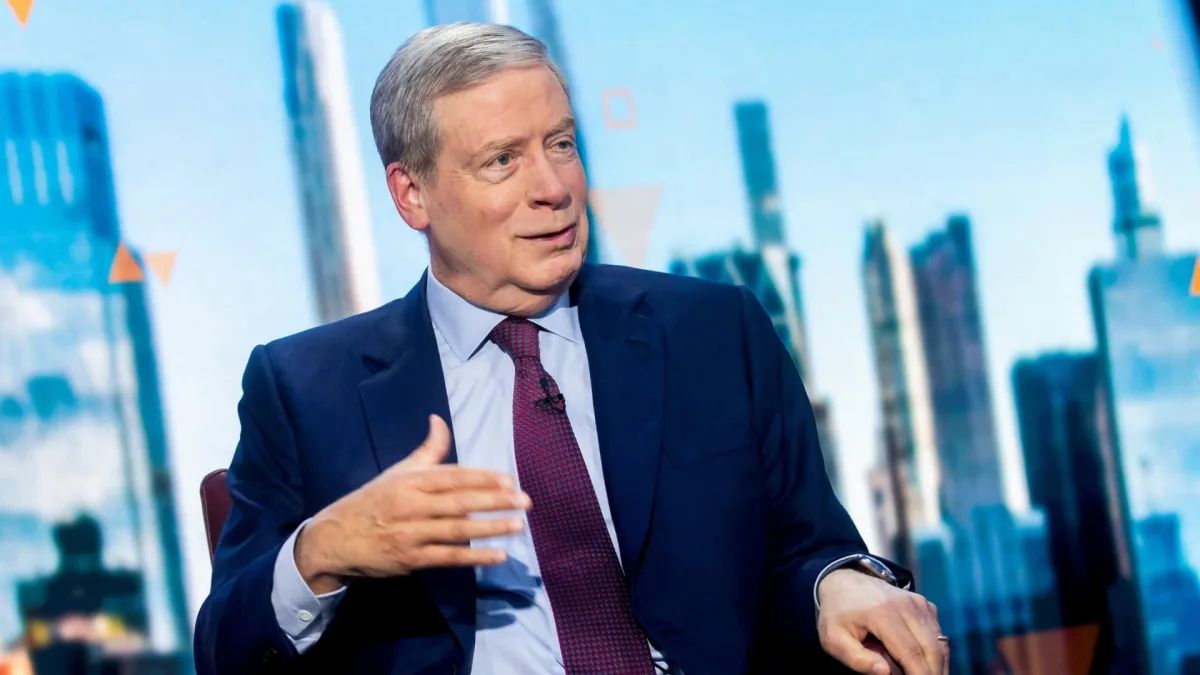
The debate over the U.S. Treasury market has opened a new public clash between Treasury Secretary Scott Bessent and billionaire investor Stanley Druckenmiller. Speaking Monday on the sidelines of the G20 finance ministers’ meeting in Asheville, North Carolina, Bessent defended the Trump administration’s latest intervention in the bond market and said U.S. Treasuries had been the best-performing market since the president took office.
Bessent said U.S. yields had moved sideways while bond yields rose around the world. Even so, U.S. Treasury yields have edged higher since Trump took office, helped by factors including tariff-related pressure and persistent inflation.
What decision did Druckenmiller oppose?
Stanley Druckenmiller called the Treasury’s decision to more than double the size of its government debt buybacks a mistake in a Wall Street Journal column published on Aug. 24. The investor argued that liquidity tools cannot resolve the core debate over public finances, only delay it. Druckenmiller later said the piece had been prepared with the help of artificial intelligence tools.
What do the market reaction and numbers show?
The remarks came as bond yields climbed to their highest levels in years. After the administration’s move, yields fell sharply, but the decline did not last and the market saw a rebound the next day.
- Bessent said in earlier comments to CNBC in August that the accelerated buyback program could exceed the announced $4 billion.
- Druckenmiller’s criticism rests on the view that such steps may provide market liquidity but do not solve the long-term fiscal balance debate.
What does the split between the two sides signal to markets?
Bessent said he spoke with Druckenmiller after the critical column was published and that the conversation went smoothly. He also suggested that the veteran investor tends to change his views often and dislikes losing money, implying Druckenmiller may have been down money on the day the piece was sent.
The Treasury secretary also stressed that his job is to ensure markets focus on fundamentals, not that policy should be dictated by markets. The comments suggest the tension between short-term volatility relief from Treasury buybacks and the longer-term debate over debt sustainability will continue.




Comments (0)
No comments yet. Be the first to comment.
Write a Comment
Yorum yazmak için giriş yapın. Üyelik ücretsiz; yorumunuz editör onayından sonra yayımlanır.