
What tools went live with the Cobalt upgrade?
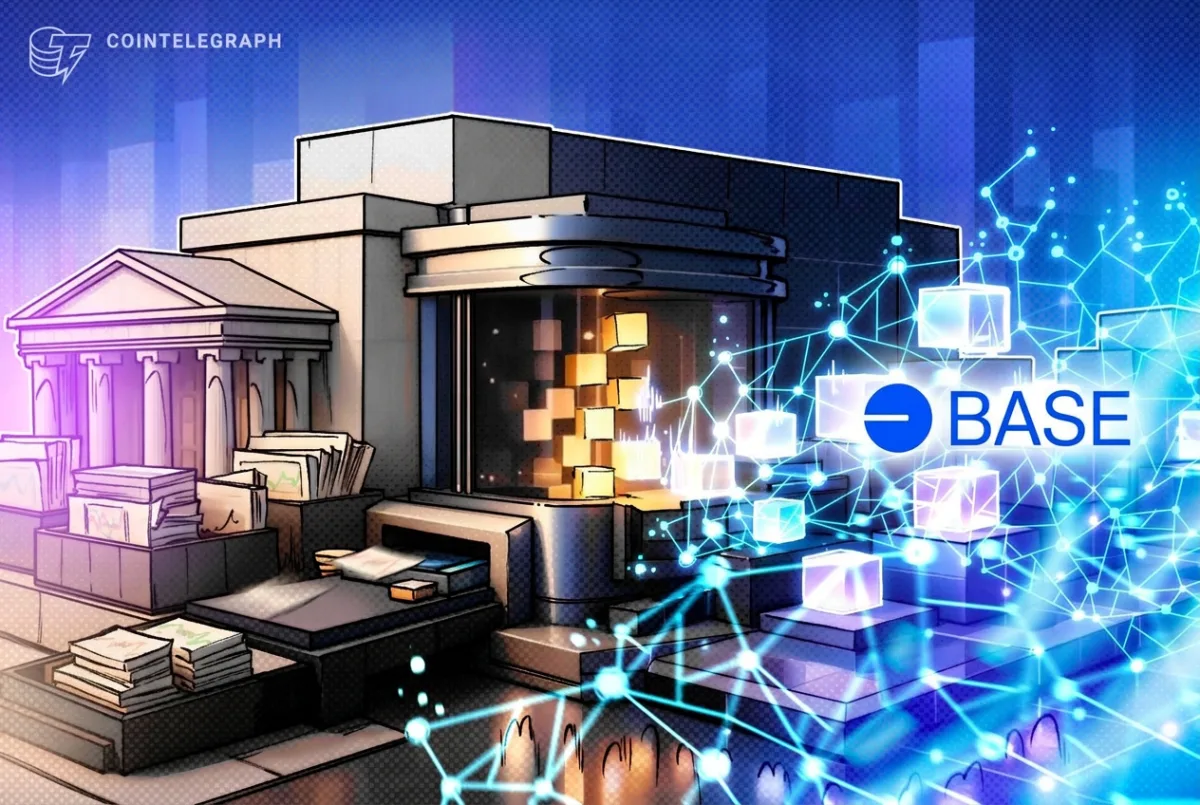
Base activated its Cobalt upgrade on Wednesday, rolling out new transaction and compliance tools for tokenized assets and onchain finance applications. The third major upgrade for Base, an Ethereum layer-2 network, expands the administrative and regulatory controls that issuers need when moving traditional financial products onto the blockchain.
With the update, the B20 token standard now allows multiple compliance checks to be applied to the same asset at once. That means an issuer can require a buyer to pass identity verification, meet accredited investor criteria and avoid sanctions lists simultaneously.
Cobalt also supports scheduled adjustments for corporate actions such as stock splits. This setup updates the number of shares shown in wallets and applications without minting or burning tokens or altering the underlying balance.
What do the B20 standard and new issuer powers mean?
How have governance and compliance tools expanded?
The upgrade also allows issuers to give authorized administrators the power to move tokens from a user's wallet in certain cases without the owner's approval. A public note can be attached to such transfers. Base said this feature is entirely optional for issuers and that the network itself cannot initiate these transfers.
Another addition in Cobalt is Validity Transactions, a form of conditional transaction. Under this system, a user can submit a transaction that will only be included in a block if specific onchain conditions are met. For example, a swap order could become valid only if the asset reaches a set price and the last-block limit is not exceeded.
- Transactions can be held by the system until the conditions are satisfied.
- According to Base, transactions sent this way can remain hidden until they are included in a block.
Market impact of the tokenized finance push and what's next
The move continues Base's tokenized finance strategy, which has accelerated in recent months. On July 8, the network launched B20 as the native standard for stablecoins, tokenized real-world assets and other fungible tokens. That allowed issuers to create assets without building custom token contracts.
On July 16, Jesse Pollak, the creator of Base, said the network had fallen behind in some areas by focusing on content and messaging apps, and added that financial applications, including trading and payments, would become a bigger priority. That direction became more visible on August 25, when Coinbase launched tokenized U.S. stocks on Base representing shares of Apple, Nvidia, Meta and Alphabet.
Base plans to cut block times from 2 seconds to 200 milliseconds in the coming months, add protocol-level support for sponsored transaction fees and batch transactions, and adopt some of the technical changes planned for Ethereum's Glamsterdam upgrade. The timetable points to the network's effort to expand its role in institutional use cases through tokenized assets and faster transaction infrastructure.
"""




Comments (0)
No comments yet. Be the first to comment.
Write a Comment
Yorum yazmak için giriş yapın. Üyelik ücretsiz; yorumunuz editör onayından sonra yayımlanır.