
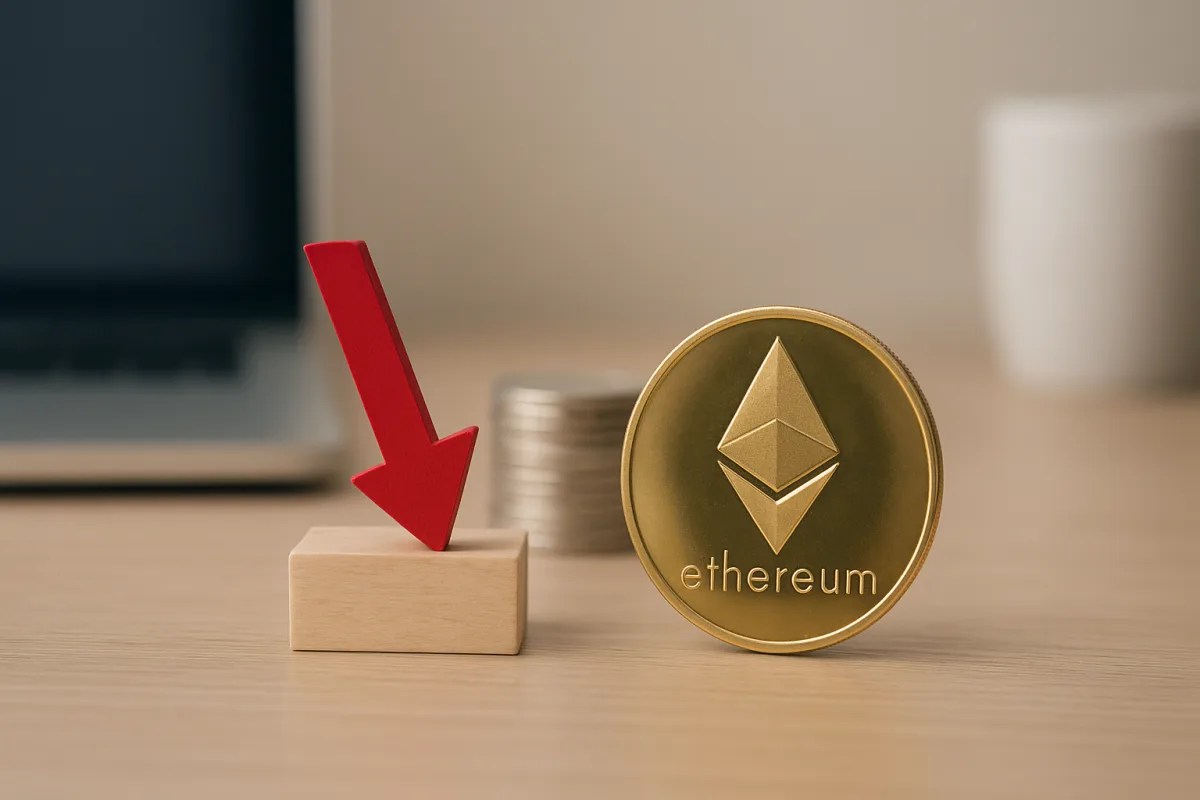
For many users, the starting point for asking what Ethereum Layer 2 is comes from the occasional rise in transaction fees on the main network. Costs on Ethereum move directly with demand for block space; when more transactions enter the queue at the same time, fee pressure rises. For that reason, Layer 2 solutions were developed to process transactions more efficiently while still benefiting from the security of the main chain.
What is gas, and why does it sometimes rise?
Ethereum transaction fees are measured in gas, the unit used for computation and data storage on the network. A simple transfer and a complex smart contract interaction do not have the same cost structure; the more resources a transaction uses, the more gas it requires.
The main answer to why gas fees are high is that block space is limited while demand fluctuates. When DeFi activity, token transfers, NFT activity or heavy app usage rise at the same time, users may choose to pay higher fees to get their transactions confirmed faster.
- An increase in the number of transactions trying to enter a block
- Smart contracts requiring more computation and data storage
- Competition for limited block space on the main network
Layer 1 vs Layer 2 and how rollups work
Layer 1 is Ethereum itself; final security and data availability are provided here. Layer 2 is an additional scaling layer that processes transactions in its own environment and then posts the result to the main network. This model is designed to reduce the load on the main chain.
What is a rollup, and how does it work?
A rollup processes many transactions in batches and writes a summary of the data to the Ethereum mainnet. That means every transaction does not need to be executed in full on Layer 1; the security anchor remains on Ethereum, while efficiency improves in terms of cost and capacity.
Difference between optimistic rollup and ZK rollup
In an optimistic rollup, transactions are assumed valid by default. Arbitrum, OP Mainnet and Base are commonly grouped in this category; these systems usually have a 7-day challenge period, also known as a fraud proof window. As a result, the official withdrawal time to the main chain can stretch to about a week.
In the ZK rollup model, a cryptographic validity proof is generated for each batch of transactions. On networks such as zkSync Era, Starknet, Scroll and Linea, withdrawals can be completed much faster after the proof is verified on Ethereum. In short, the difference between optimistic rollup and ZK rollup mainly lies in the verification method and the resulting waiting time.
How blob data affected fees, and what to watch for when using bridges
The Dencun upgrade, activated on March 13, 2024, and EIP-4844 introduced a new data space called blobs for rollup networks. Because this space is cheaper, it helped significantly reduce Layer 2 transaction costs. Each blob is 128 KiB; the data is not stored permanently, and the default retention period is 4,096 epochs, or roughly 18 days. After that, nodes may delete the data, but the KZG commitment proving the data existed remains on-chain.
With EIP-7691 in the Pectra upgrade, activated on May 7, 2025, the blob target per block increased from 3 to 6, while the upper limit rose from 6 to 9. This change helps rollups operate with greater flexibility in data capacity.
What to keep in mind when using bridges
- Make sure the sending network and destination wallet are selected correctly
- If possible, check the official bridge and the list of supported assets
- Remember that withdrawal times can vary depending on the network architecture
- Making a small test transfer first can reduce risk
In short, high fees on Ethereum are often driven by demand for block space. Layer 2 rollup networks reduce that pressure by batching transactions and writing summaries to the main chain; which network is the best fit depends on factors such as speed, security model, bridge experience and withdrawal time.
"""


Comments (0)
No comments yet. Be the first to comment.
Write a Comment
Yorum yazmak için giriş yapın. Üyelik ücretsiz; yorumunuz editör onayından sonra yayımlanır.