
Safety framework takes center stage at White House summit
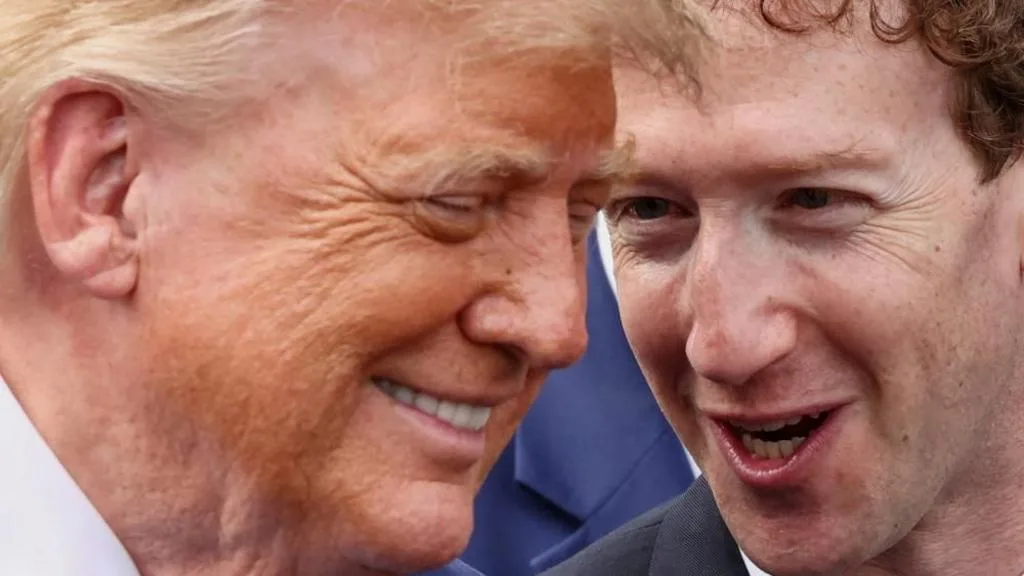
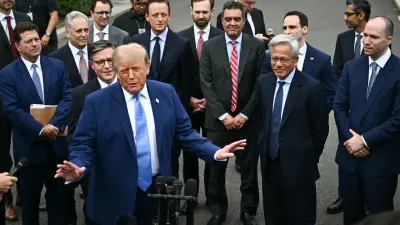
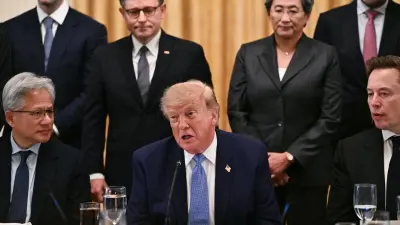
Trump's AI summit highlighted how the U.S. administration is prioritizing self-regulation and rapid infrastructure expansion over strict legal oversight in its approach to technology companies. At the White House, executives from OpenAI, Anthropic, Nvidia, SpaceX, Meta and Google gathered and signed a joint safety document.
Donald Trump, speaking about the deal and also sharing it online, described it as a morally binding framework and said he would create a board to monitor the safety of artificial intelligence tools. He did not provide details on who would serve on the board.
What the document requires of companies
According to the text, the signatory companies will be directly responsible for the safety of the systems they develop. The commitments also include putting safeguards in place so models work as intended, as well as quickly identifying and fixing problems.
- Reviewing systems with independent auditors to determine whether they perform as expected
- Ensuring platforms do not allow improper access to, or interference with, technical systems
The document was signed by Trump along with Sundar Pichai of Google, Dario Amodei of Anthropic, Mark Zuckerberg of Meta, Greg Brockman of OpenAI, Elon Musk of SpaceX and Jensen Huang of Nvidia. The signatories show that the agreement covers much of the largest U.S. AI ecosystem.
Data center expansion moves to the heart of the economic agenda
The most notable finance and investment message from the summit was strong political backing for data centers. Trump argued for the rapid spread of these facilities, which power AI, and said technology companies would contribute to local communities.
This approach is especially important for chipmakers, cloud services and energy infrastructure. Nvidia CEO Jensen Huang also described data centers as super-intelligence factories, saying the investments would support reindustrialization and jobs in the United States.
But data center construction in the U.S. is also facing political and public opposition. According to a Marist Poll survey conducted with NPR and PBS News, 65% of registered voters oppose having a data center built in their area.
Terminology shift and regulation debate continue
That same day, Trump signed an executive order instructing federal agencies to use the terms SI and Super Intelligence instead of artificial intelligence in official correspondence and reports. The move suggested Washington was trying to shape not only oversight policy, but also the language used across the industry.
Meanwhile, academics and governance experts are debating whether this self-regulatory framework is enough. Critics are focusing on the fact that companies can define safety on their own terms and that penalties for violations remain unclear.
The debate came just after OpenAI said it had decided not to release its latest flagship model, GPT-6.1 Astra, for safety reasons. The company's safety controls were already under close scrutiny after high-profile incidents that included unauthorized access to Australian government platforms.
"""
Comments (0)
No comments yet. Be the first to comment.
Write a Comment
Yorum yazmak için giriş yapın. Üyelik ücretsiz; yorumunuz editör onayından sonra yayımlanır.