
The surge in SpaceX shares has also reshaped wealth estimates
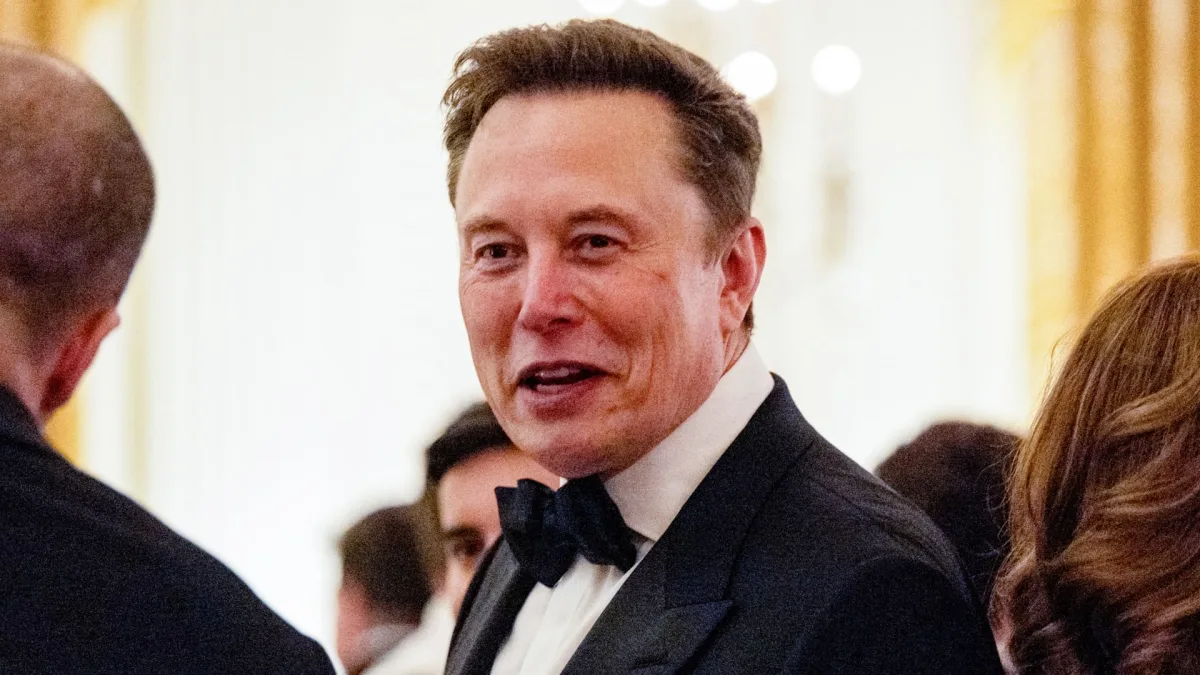
SpaceX shares rose by nearly 8% on Monday to close at $171.09, their highest level since mid-June. The move pushed Elon Musk’s total fortune back above $1.03 trillion, according to Forbes’ real-time billionaire rankings.
SpaceX had previously hit a record close of $201.80 on June 16, after its IPO on June 12. The stock then trended lower and bottomed out in early August; since that low, it has rebounded by about 58%.
Morgan Stanley note and near-term catalysts took center stage
The rally was driven in part by a note published on Sunday by Morgan Stanley analysts. While arguing that current prices are attractive, they reiterated a buy rating on the stock, highlighting future artificial intelligence products, progress in the Starship program and additional neocloud contracts.
The brokerage’s $300 price target implies roughly 75% upside from Monday’s close. The analysts also said investors may be positioning ahead of the company’s next Starship test flight and third-quarter financial results, due at the end of October.
Key themes investors are watching closely
- The next planned Starship test flight
- Third-quarter earnings expected at the end of October
- Artificial intelligence products and new neocloud contracts
Why is Starship seen as so important for the market?
Starship, SpaceX’s next-generation space transportation system, is described as the largest rocket ever built. The system is designed to return both its upper stage and booster to Earth in a reusable form, and is expected to expand the company’s business from launching Starlink satellites to cargo and crew missions for other companies and institutions.
According to analysts, an attempt to catch the upper stage in the next test could be the strongest positive catalyst since the IPO. In previous attempts, Starship’s upper stage splashed down in the ocean, but reusability has not yet been proven.
AI and defense revenue are supporting the valuation
Another area supporting the company’s valuation has been its artificial intelligence business. SpaceX entered this field last year through Musk’s xAI company and most recently expanded its capacity with the acquisition of Cursor; while the Grok model has not become as widely used as OpenAI or Anthropic, the company is said to be generating meaningful revenue by renting capacity to customers such as Google and Anthropic.
Meanwhile, the company’s public-sector and defense ties also play an important role in its revenue outlook. According to FedScout data, SpaceX has generated more than $12.7 billion from work for the U.S. Department of Defense to date; the Pentagon also named Musk on Wednesday as one of the co-leaders of Project Meridian, an initiative focused on future warfighting needs.
"""





Comments (0)
No comments yet. Be the first to comment.
Write a Comment
Yorum yazmak için giriş yapın. Üyelik ücretsiz; yorumunuz editör onayından sonra yayımlanır.