
New security spending is hitting NFL stadiums
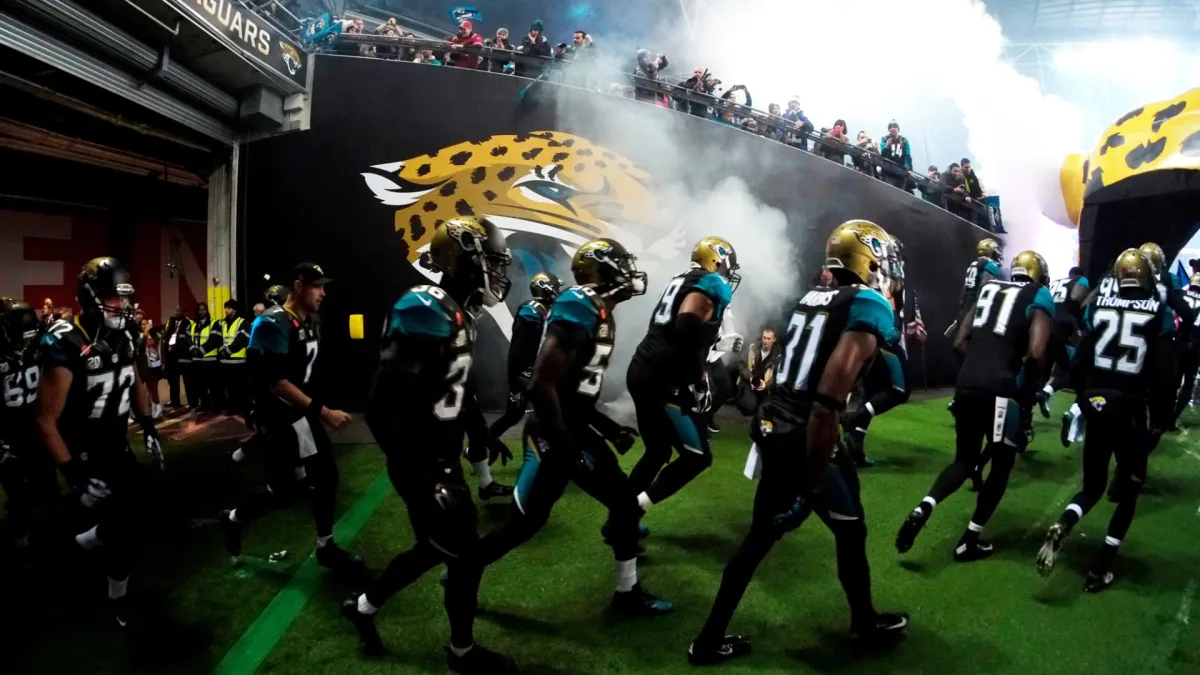
NFL drone defense investments have turned into a concrete deployment on the field in the third week of the 2026 season. The Jacksonville Jaguars became the first NFL team to publicly announce a deal with Sentrycs, part of Ondas. The company’s system will be used for the first time on Sunday, when the Jaguars host the New England Patriots at EverBank Stadium and in the surrounding area.
The NFL had already been able to detect and track unmanned aircraft around stadiums. New-generation systems, however, can sever the link between an operator and a drone, allowing the aircraft to be taken over and safely brought down. That means additional technology spending not just for monitoring, but for active intervention as well.
Numbers point to a growing security market
The NFL said it recorded 10,852 drone violations near stadiums between 2021 and 2025. While only a small share of those incidents disrupted games, the brief suspension of a 2025 playoff matchup between the Ravens and the Pittsburgh Steelers in Baltimore made the operational cost of the problem visible.
Public funding and major events are supporting demand
Sentrycs also said it recently signed contracts with two more NFL teams, though the clubs were not identified. In a letter sent to the U.S. Department of Homeland Security this month, the NFL and Major League Baseball argued that more resources are needed to protect fans and athletes.
- 10,852 violations: recorded around NFL stadiums from 2021 to 2025.
- 700 interventions: drone incidents prevented by the FBI during a four-week period at the FIFA World Cup in the summer.
- $250 million: public funding provided to state and local authorities for drone defense ahead of the World Cup.
Sentrycs was among the companies working across 104 matches in the United States, Canada and Mexico during the tournament. The infrastructure and budget created for the event are said to be opening a market that can also be used at concerts, festivals and other high-attendance events.
New law and technology are creating more opportunities
Airports and major events are broadening the market
The Safer Skies Act, which took effect on July 1, gave state and local authorities a clearer framework for dealing with drones approaching airports and large venues. Industry executives say that regulatory shift could support demand for radar-, software- and radio-frequency-based systems.
The market is not limited to sports. Dutch company Robin Radar is active at nearly two dozen airports in Europe, while Israeli firm IWI’s drone defense solution is also used at 20 airports in Europe and at 10 sites in the U.S. As a result, the spending trend that began with stadium security is spreading into aviation and mass-event protection as well.


Comments (0)
No comments yet. Be the first to comment.
Write a Comment
Yorum yazmak için giriş yapın. Üyelik ücretsiz; yorumunuz editör onayından sonra yayımlanır.