
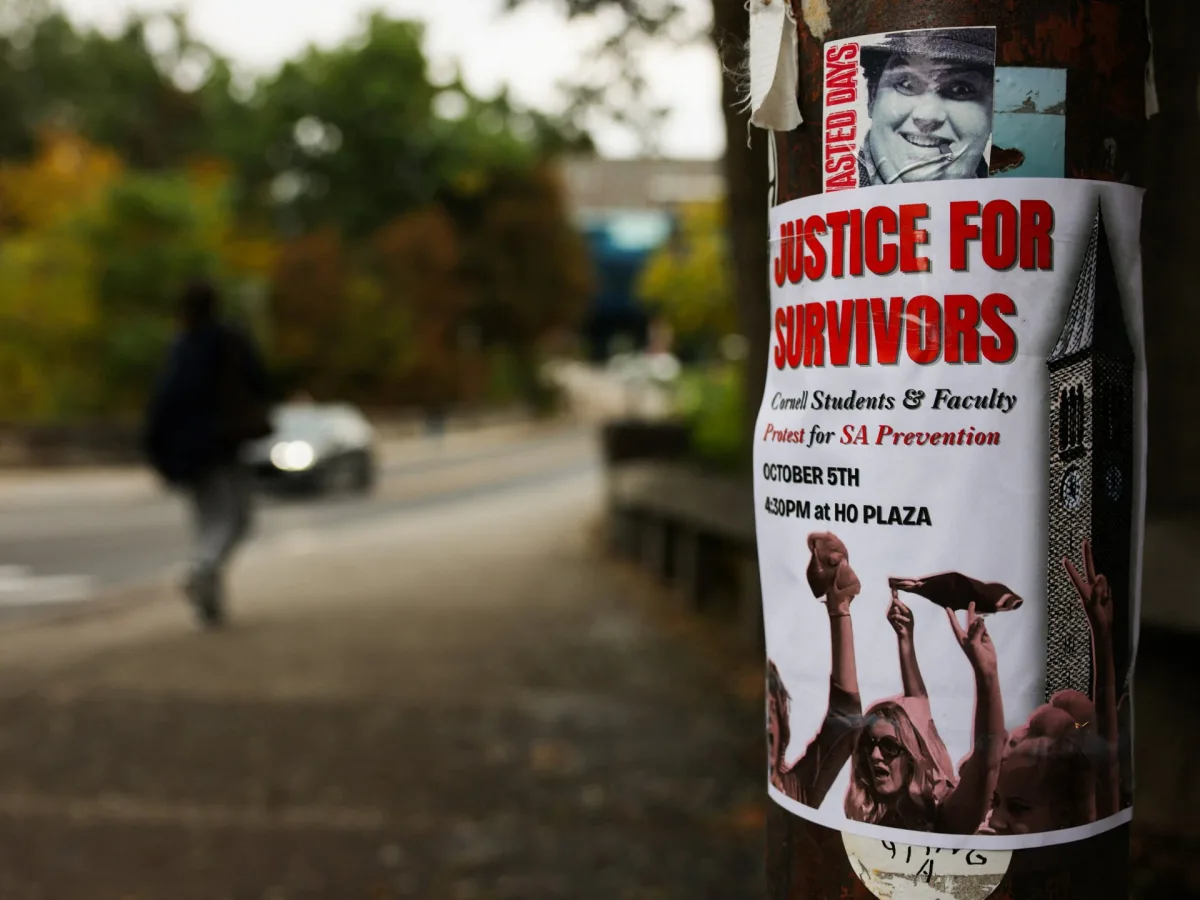
Cornell case puts fresh pressure on state law
The Cornell case has brought New York's sexual assault laws back into the national conversation. Last month, an unnamed woman filed a lawsuit against Cornell University, the Chi Phi fraternity and seven of its members, alleging she was gang raped on the night of October 19, 2024.
The case has intensified debate over the prevalence of sexual violence on U.S. college campuses and once again highlighted the gap between New York's progressive image on women's rights and the laws now on the books. Advocates say there are still major legal barriers preventing survivors from obtaining justice.
State officials in Albany also signaled action after the filing. The New York State Assembly announced on Wednesday that it had formed a working group to review sexual assault laws and prepare recommendations for the 2027 legislative session.
The biggest dispute centers on the “voluntary intoxication” rule
One of the main issues in the case is New York's “voluntary intoxication” provision. Under current law, a person who voluntarily uses alcohol or drugs is not automatically considered “mentally incapacitated,” even if they were too impaired to consent during the assault.
That distinction can make it harder for prosecutors to bring sexual offense charges. The law is written more broadly to cover involuntary poisoning, loss of consciousness or being physically unable to resist.
In the Cornell case, the woman at the center of the complaint alleged that she was forced to drink alcohol and use ketamine before the incident. The Tompkins County district attorney initially declined to file charges, pointing to the rule, but reopened the investigation after public pressure.
What changes are being proposed?
- In June, the State Senate unanimously passed a bill that would allow sexual assault charges regardless of whether the victim's intoxication was voluntary or involuntary. The bill has not yet been taken up by the Assembly.
- Another proposal, introduced by State Sen. Liz Krueger, would extend the criminal-law “rape shield” protection to civil cases. The goal is to stop a complainant's sexual history from being used against them in court.
- A separate proposal, called the “Speak Your Truth Act,” would offer legal protection to people who publicly speak out about sexual assault, harassment or discrimination as long as they do so without malicious intent.
Advocates are calling for systemic change
New York Gov. Kathy Hochul said Friday that she would work with lawmakers to close the legal loophole. Assembly Speaker Carl Heastie also described the allegations involving Cornell University as “horrific” and said changes to make justice more accessible for survivors would be considered.
Still, advocates say the problem is bigger than a single statute. They argue that while legal changes matter, lasting progress against sexual violence will be hard to achieve without a shift in how campuses and courts handle these cases.
Survivors' rights advocate Bridie Farrell and political candidate Lindsey Boylan also argue that the way plaintiffs are questioned in civil cases, along with retaliatory defamation lawsuits, makes it harder for people to speak out. The debate has now grown into a broader call for legal and social reform in New York sexual assault cases.
"""





Comments (0)
No comments yet. Be the first to comment.
Write a Comment
Yorum yazmak için giriş yapın. Üyelik ücretsiz; yorumunuz editör onayından sonra yayımlanır.