
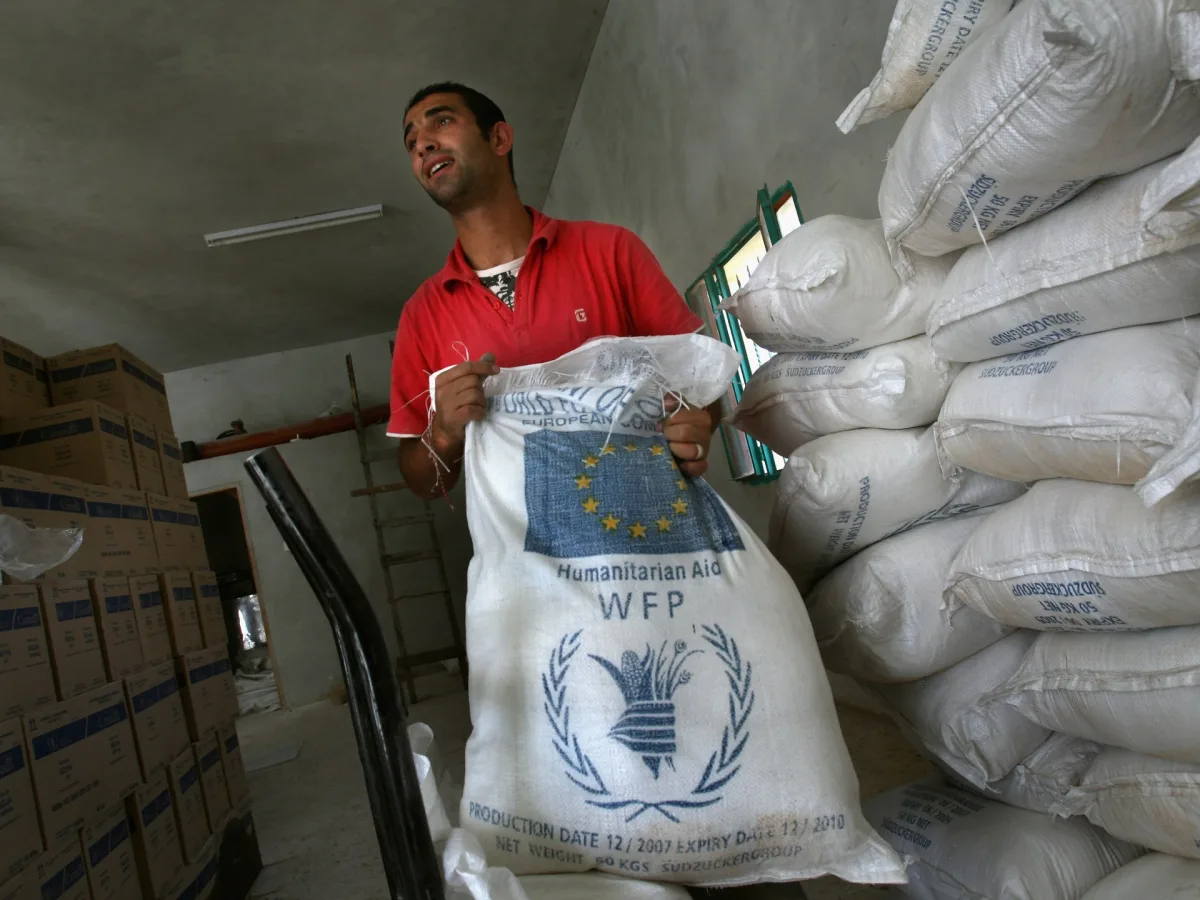
Funding gap forces aid cuts
The World Food Programme (WFP) said it will scale back its food assistance program in the occupied West Bank starting this month because of a funding shortfall. According to the agency, the number of people receiving support will fall from 400,000 to 200,000.
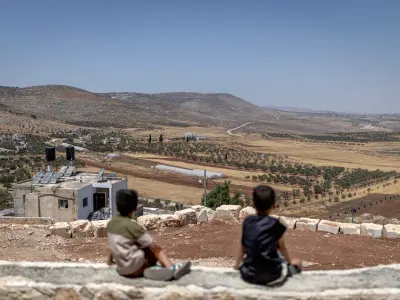
The cuts will affect family cash assistance, shopping vouchers, direct food aid, livelihood support programs and nutrition services. WFP estimates that around 900,000 people in the West Bank are facing food insecurity.
The agency said it has had to direct its limited resources to the most vulnerable groups, but need remains widespread on the ground. It also pointed to recent funding declines from several major donor countries, including the United States, which have strained the budgets of international aid organizations.
Cash aid is also shrinking in Gaza
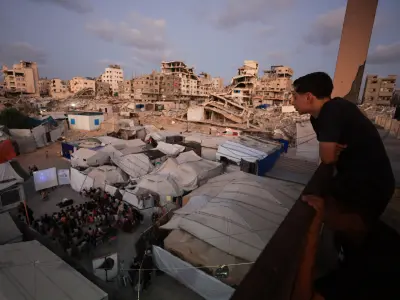
WFP said the funding problem is also affecting its operations in Gaza. The agency said it is supporting 1.5 million people in the territory, including regular monthly food assistance for 1 million of them.
According to Claire Nevill, the agency’s spokesperson for the Palestinian territories, told Associated Press that cash aid for about 75,000 families in Gaza has begun to be reduced. WFP also said in July that the value of cash assistance provided to 375,000 people in the territory had been cut by 40%.
A July Integrated Food Security Phase Classification assessment found that conditions in Gaza have improved somewhat since famine was declared in parts of the territory last year, but the situation remains at crisis level.
- The West Bank cuts cover cash aid, vouchers, food distributions and nutrition services.
- In Gaza, both the number of families receiving assistance and the value of cash support are being reduced.
WFP seeks $386 million for six months
WFP said it needs an additional $386 million to reach nearly 2 million food-insecure people across Gaza and the West Bank over the next six months. The agency’s country director for Palestine, Shaun Hughes, urged the international community to step up support for Palestinians.
United Nations data show that funding in the global humanitarian aid system is tightening. The UN’s decision to launch its 2026 aid appeal at only half the amount it says it needs, and the drop in the United States’ share of total aid to 15.6%, point to continued pressure on programs in the field.
"""


Comments (0)
No comments yet. Be the first to comment.
Write a Comment
Yorum yazmak için giriş yapın. Üyelik ücretsiz; yorumunuz editör onayından sonra yayımlanır.