
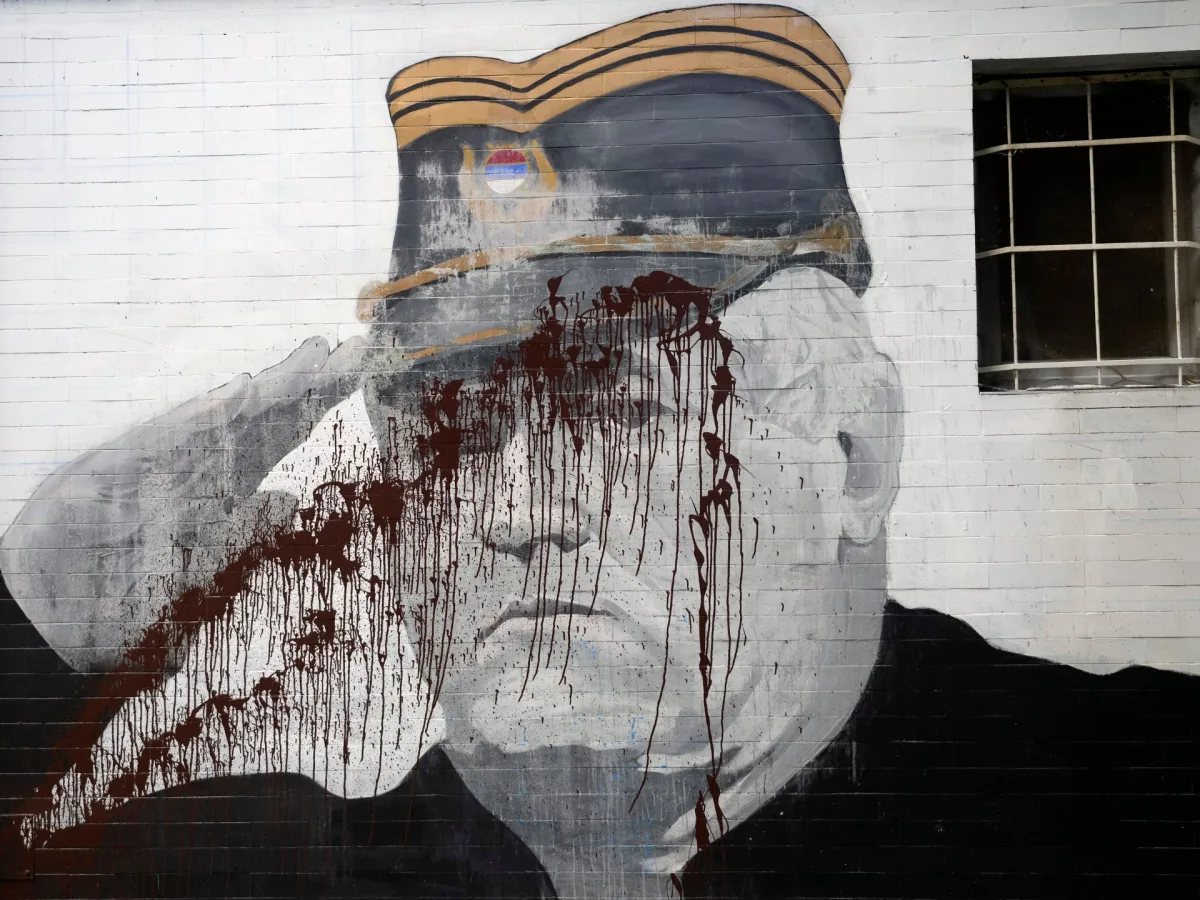
International reactions followed Mladic's death in The Hague
Ratko Mladic died in The Hague at the age of 84 while serving a life sentence for the Srebrenica genocide, war crimes and crimes against humanity. The former Bosnian Serb commander, one of the most prominent military figures to emerge during the breakup of Yugoslavia, had been convicted by an international tribunal over grave crimes committed during the Bosnian War.
United Nations Secretary-General Antonio Guterres' spokesperson, Stephane Dujarric, expressed solidarity with victims, survivors and their families after Mladic's death. The statement also repeated a call not to deny the gravity of crimes that were established by court rulings.
Serbian President Aleksandar Vucic, meanwhile, criticized the UN war crimes tribunal for not granting Mladic early release. Belgrade had previously asked for him to be allowed to receive treatment outside prison, saying his health had deteriorated significantly.
The siege of Sarajevo and the Srebrenica massacre were at the center of the case
Under Mladic's command, Bosnian Serb forces laid siege to Sarajevo, the capital of Bosnia and Herzegovina. The period, considered one of the longest military sieges of a capital in modern history, lasted 1,460 days and killed more than 11,500 people.
In July 1995, units loyal to Mladic seized UN-protected Srebrenica and Zepa. In the process later defined as genocide, more than 8,000 Bosniak men and boys were killed and 25,000 to 30,000 people were forcibly expelled from the area.
Main charges brought before the court
- The mass killings in Srebrenica and the forced displacement of Bosniak civilians.
- War crimes and crimes against humanity committed throughout the Bosnia and Herzegovina war.
From military career to capture
Born in March 1942 in the village of Bozanovici, now in Bosnia and Herzegovina, Mladic joined the Yugoslav National Army at the age of 22. By the early 1990s, he had risen to senior command posts; he was promoted to major general in 1991 and lieutenant general in April 1992.
Mladic and Radovan Karadzic, the political leader of the Bosnian Serbs, were indicted by the International Criminal Tribunal for the former Yugoslavia for crimes committed in Bosnia and Herzegovina. Mladic faced 20 separate charges, and the court issued an international arrest warrant in 1996.
After years in hiding, Mladic was captured on May 26, 2011, at his cousin's home in Lazarevo in northern Serbia. He was detained in Belgrade and then transferred to The Hague; the trial began in 2011, closing arguments were heard in 2016, and Mladic was sentenced to life in prison in 2017.
His family said in late 2022 that his health had worsened. In June 2025, Mladic requested release, claiming he had only a few months to live, but the appeal was rejected; after nearly 15 years in detention and custody, he died in hospital in The Hague.
"""





Comments (0)
No comments yet. Be the first to comment.
Write a Comment
Yorum yazmak için giriş yapın. Üyelik ücretsiz; yorumunuz editör onayından sonra yayımlanır.