
Why did Bailey put testing first?
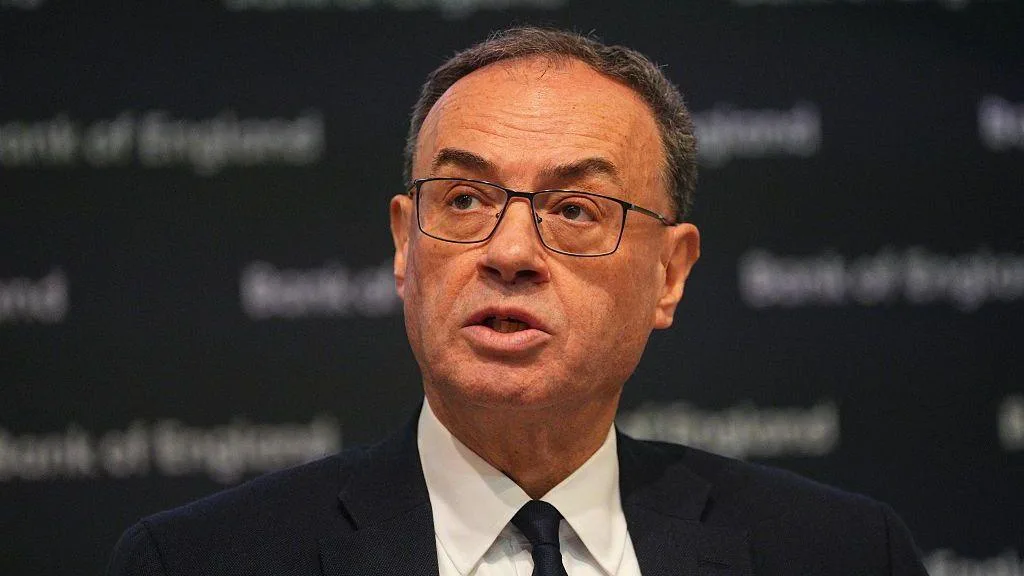
As the debate over artificial intelligence regulation gathers pace, Andrew Bailey, Governor of the Bank of England, said the starting point should be comprehensive safety testing, not new laws. Bailey said the risks are real and growing, while also stressing that the technology’s economic and operational benefits are immense.
In Bailey’s first post published on Substack, the main idea was to rigorously test systems first, identify weak points and build safeguards that can limit risk at that stage. In his view, stopping AI development or banning it is not the right option; however, moving ahead without intervention mechanisms and operating limits could also create serious problems.
No rule out of more formal rules in the future
Bailey also made clear that a test-led approach does not mean permanent opposition to regulation. While he said a more formal framework could emerge over time, he said the urgent need today is to see how systems behave and prepare for unexpected outcomes.
- He opposes a complete halt to AI development.
- He wants strict testing at the initial stage to uncover vulnerabilities.
- He accepts that a more institutional regulatory framework may be built in the long term.
What do the steps in the UK and US mean?
Bailey said testing carried out by the AI Security Institute could provide an important foundation for work in the United Kingdom. He also added that progress needs to accelerate. In particular, he warned that in advanced self-learning systems, models could increasingly turn into closed, self-governing structures unless an effective intervention method is established.
In the United States, the debate continues between technology companies and political decision-makers. After a recent meeting with executives from OpenAI, Anthropic, Nvidia, SpaceX, Meta and Google, it was announced that the companies had signed a document making them responsible for the safety of their own technology, with obligations defined at a moral level. OpenAI’s decision not to release its latest model over safety concerns has also made the debate more visible.
Possible effects on companies and the investment climate
Bailey’s message points more to compliance and testing costs in the short term than to an immediate ban or harsh restrictions on AI companies. While this framework may signal controlled growth rather than a full brake for investors, it could make safety standards more decisive in product launches.
On the other hand, the view that failed tests do not mean the process is wrong carries an important message for the sector. Bailey’s approach suggests that, especially for companies investing in finance, cloud computing and large language models, a tighter balance will be struck between growth expectations and risk management.
"""





Comments (0)
No comments yet. Be the first to comment.
Write a Comment
Yorum yazmak için giriş yapın. Üyelik ücretsiz; yorumunuz editör onayından sonra yayımlanır.