
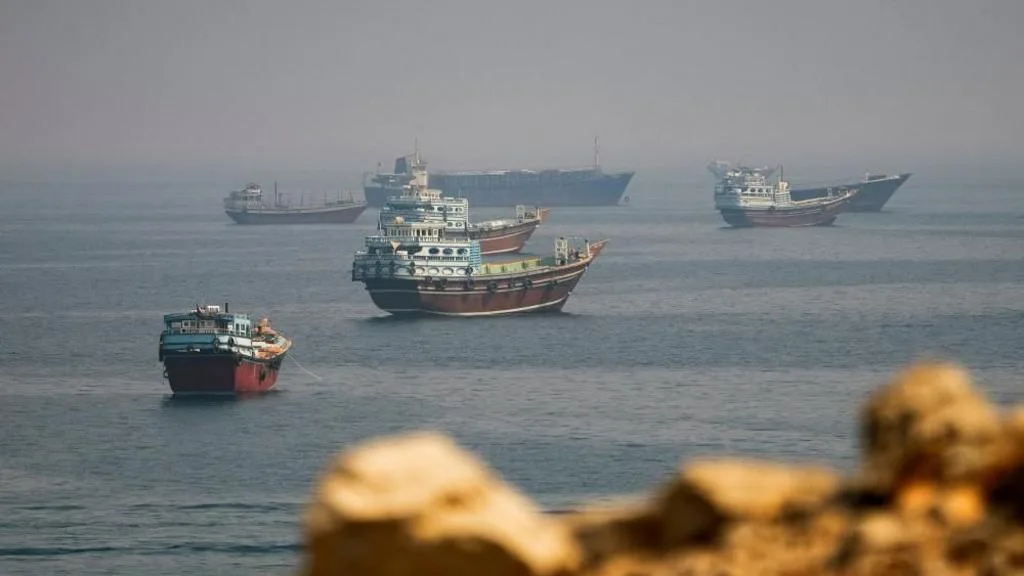
U.S. strikes resume
U.S. attacks on Iran continued in a new wave on Tuesday. The U.S. Central Command (CENTCOM) said the operation began at 4:00 p.m. local time and that targets belonging to the Islamic Revolutionary Guard Corps were hit. Washington said the strikes were in response to recent attempts to target commercial ships in the Strait of Hormuz and U.S. troops in the region.
Cross-claims from Washington and Tehran
After the CENTCOM statement, Donald Trump said Iran would face harsher and more intense new strikes if it retaliated. The Islamic Revolutionary Guard Corps argued that the U.S. would regret the attacks. Iranian news agencies claimed that missile and drone strikes had begun against U.S. bases and American interests in the region.
This latest operation came after the U.S. struck two rocket launchers on Larak Island in the Strait of Hormuz earlier in the week. Tehran responded by firing missiles at air bases in Jordan and sending a drone to the United Arab Emirates.
Iranian state media reports explosions and casualties
Iranian state media said 4 people were killed, including a four-year-old child, and 50 others were injured during a strike near Sirik in southern Iran during a wedding ceremony. The same sources reported that gunfire and explosions were heard in several other areas.
- Shots were reported around Chabahar and Konarak.
- An airport in Jiroft was said to have been targeted.
- Explosion sounds were reported on Qeshm Island and in Bandar Abbas.
Tensions rise again as ceasefire ends
After the February 28 large-scale U.S. and Israeli attacks on Iran, Tehran targeted Israel, U.S. bases and allied countries in the Gulf, and the Strait of Hormuz was effectively closed to maritime traffic. An agreement known as a Memorandum of Understanding, aimed at extending the ceasefire between the two sides, was signed in June. But when that understanding expired, the fighting resumed.
Maritime traffic, sanctions and a diplomatic message
During this period, both sides also increased pressure on shipping. Tehran targeted vessels it said were trying to pass without permission, while the U.S. imposed a naval blockade on Iranian ports. On August 24, Washington also announced a new sanctions campaign aimed at further isolating Tehran and expanding secondary sanctions on its allies. Iranian officials described the move as a continuation of earlier economic pressure following military setbacks in the latest conflict. Even so, Iranian President Masoud Pezeshkian said in a statement carried by state media on Tuesday that Tehran would also respond if the U.S. renewed its commitment to the agreement.




Comments (0)
No comments yet. Be the first to comment.
Write a Comment
Yorum yazmak için giriş yapın. Üyelik ücretsiz; yorumunuz editör onayından sonra yayımlanır.