
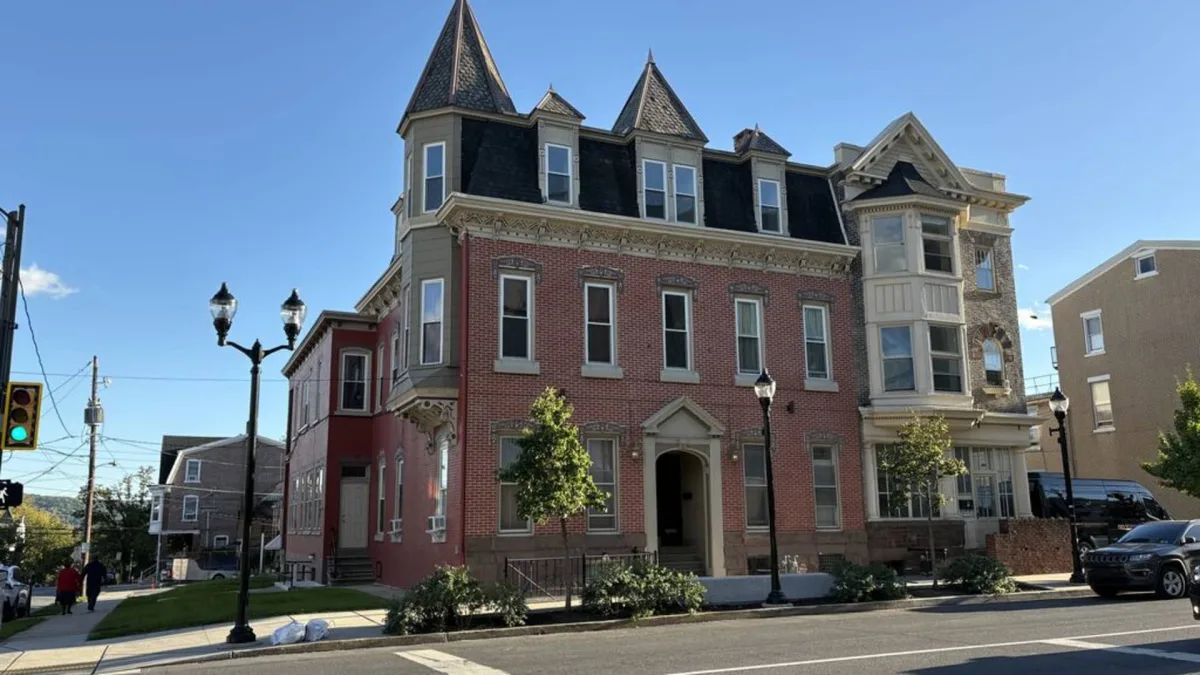
Higher rates and prices have slowed demand
Housing affordability has become one of the most critical economic issues for U.S. voters, especially those aged 18 to 34. Data from Mortgage News Daily show the average rate on a 30-year fixed mortgage climbed well above 7.5% ahead of the midterm elections.
Cotality data show home prices rose 1.8% year on year in August, while prices have increased by about 60% since the start of the pandemic. For a typical home worth around $450,000, the monthly payment is about $300 higher than at the start of the year.
- Across the U.S., in 2019, 24% of median income went to rent and 21% to homeownership costs; today those shares have risen to 26% and 28%, respectively.
- In August, existing-home sales fell below an annualized pace of 4 million.
- According to Apartment List, 52% of renters spend more than 30% of their income on housing, and that group includes more than 22 million households.
A larger share of income is going to housing
According to a CNBC and SurveyMonkey poll published on Oct. 5, one in five Americans who pay rent or a mortgage spend at least half of their pre-tax income on housing. Another 49% said they spend 25% to 49% of their income on housing, above the 28%-30% range generally recommended by banks.
Pennsylvania data show the strain is regional
Pennsylvania, which is seen as less expensive than the U.S. average, has also seen affordability weaken. Cotality says that in 2019, 20% of median income was enough to cover rent in the state and 18% was enough for homeownership; today, those shares have risen to 22% and 24%, respectively.
In Pennsylvania's 7th Congressional District in the Lehigh Valley, a typical two-bedroom rental requires an annual income of $67,481 to stay below 30% of income. The National Low Income Housing Coalition puts the required hourly wage for the district at $32.44.
The impact on young voters, renters and first-time buyers
U.S. Census data show that in the same district, 54% of renters spend more than 30% of their income on rent. Zillow says home prices in Allentown rose about 4% in one year, and in some local markets, renter household income of nearly 60% can be needed to afford a home.
That has pushed housing costs ahead of issues such as food prices and the protection of democratic institutions for young voters. Experts say large down-payment requirements, expensive credit and limited inventory are pushing first-time buyers out of the market.
Campaign promises may not bring short-term relief
In key Pennsylvania races, Republican Ryan Mackenzie is backing tax credits, while Democrat Bob Brooks is pushing for more starter-home construction and support programs for first-time buyers. In the state's 10th District, Republican Scott Perry is opposing the federal spending approach, while Democrat Janelle Stelson is calling for small-dollar housing loans and looser rules that have raised construction costs.
But on-the-ground data suggest market pressure continues regardless of political promises. As financing costs remain high, demand is being delayed, sales volumes remain weak and the goal of homeownership is moving further out of reach for young households.
"""



Comments (0)
No comments yet. Be the first to comment.
Write a Comment
Yorum yazmak için giriş yapın. Üyelik ücretsiz; yorumunuz editör onayından sonra yayımlanır.