
#e-Nabız
 Sağlık
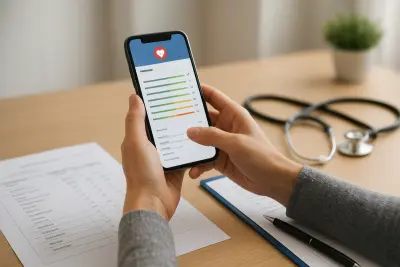
How to Read Lab Results on e-Nabız and When to See a Doctor
Blood and urine tests shown in the e-Nabız system do not provide a diagnosis on their own; reference ranges, symptoms and a doctor’s assessment must all be considered together.
 Sağlık
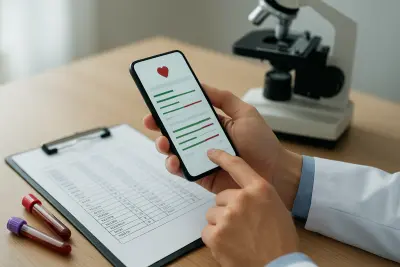
How to Read e-Nabız Test Results and When They Matter
High, low or out-of-range values seen in the system do not by themselves make a diagnosis; symptoms and a doctor’s assessment must be considered together for the right interpretation.
 Sağlık
How to View Prescriptions and Test Results on e-Nabız
For users who want all their personal health data in one place, e-Nabız offers quick access to prescriptions, reports and test records.
 Sağlık
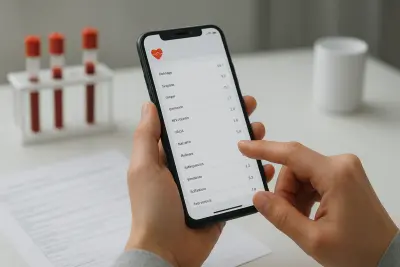
How to Read e-Nabız Test Results and Which Values Matter
When reviewing lab reports, the test name, measurement unit, reference range and high-low flags should all be considered together.
 Sağlık
How to Change Your Family Doctor in Turkey
People looking to switch family doctors are asking which application routes are available, what regional rules apply and what to check before starting the process.
 Sağlık
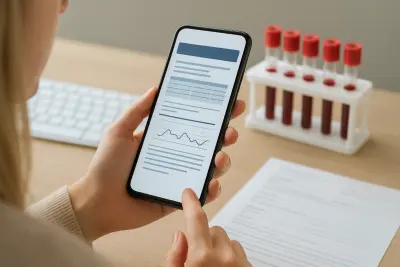
How to Read Lab Results in E-Nabız
When the reference range, unit of measurement and date are read correctly, lab records become easier to understand; a doctor’s assessment is needed for a definitive interpretation.
 Sağlık
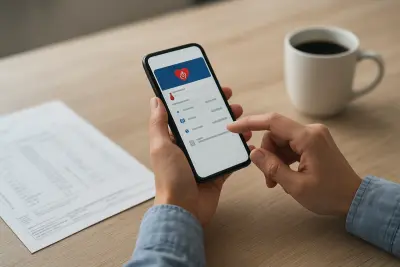
How to Read Lab Results on e-Nabız
Test names, reference ranges and warning flags do not diagnose on their own; context is key.