
Near-term impact at the pump expected to be limited
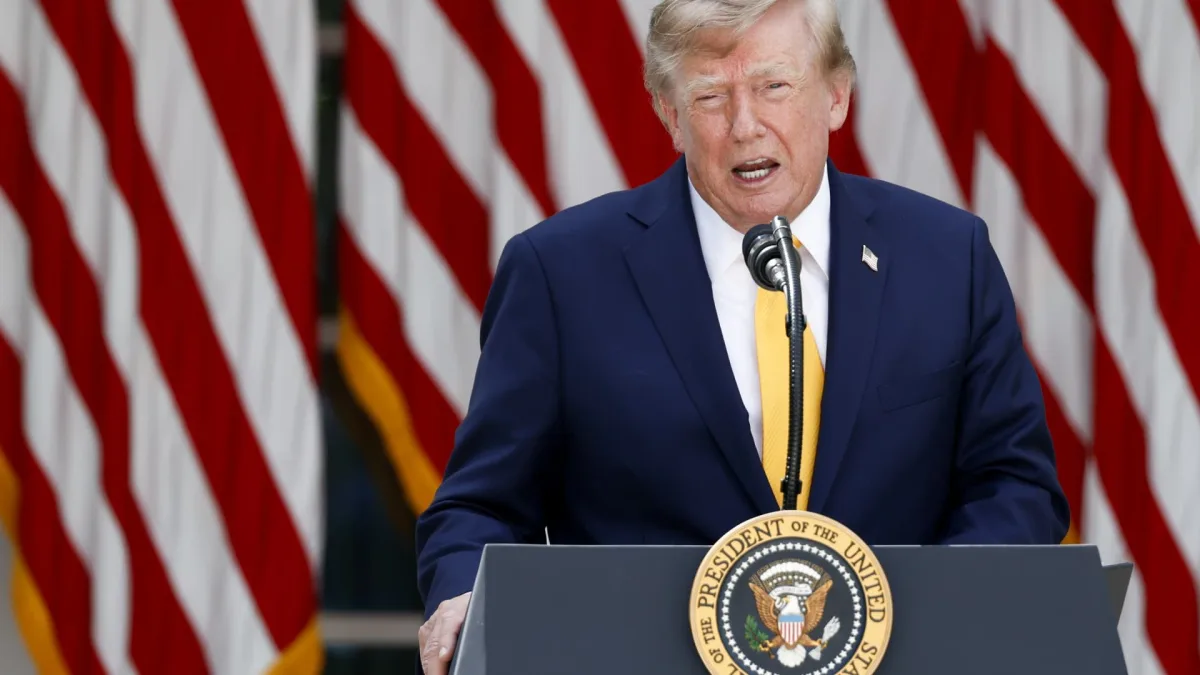
Although U.S. President Donald Trump’s announced Venezuela oil deal gives Washington access to a massive reserve, it is not expected to bring U.S. gasoline prices down quickly. Under the agreement, the U.S. was said to have gained majority control over Venezuela’s proven 65 billion barrels of oil reserves, equal to roughly 20% of the country’s estimated 303 billion barrels in total reserves.
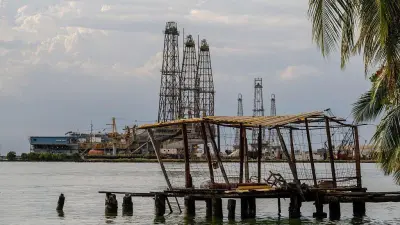
Experts say the real challenge is converting those reserves into production quickly. Extracting the oil will require huge amounts of capital, a renewal of neglected infrastructure and clarity on contract terms that have not been made public.
Why are fuel prices still high in the U.S.?
According to AAA, the national average price of gasoline in the U.S. stood at $4.08 per gallon on Monday. That is about 30% higher than in the same period last year, with near-term market pressure said to be concentrated on the global supply side.
- Ukrainian attacks on Russian refineries
- Supply disruptions from the Middle East triggered by the war with Iran
According to Patrick De Haan, head of petroleum analysis at GasBuddy, the trend increases the odds of a new national price record in the U.S. around Labor Day. The previous Labor Day record was $3.83 in 2012.
Why production gains will take time
Venezuela’s current production capacity does not allow the announcement to add meaningful supply to the market in the short term. The country is now producing about 1.2 million barrels per day, compared with 3.5 million barrels per day in the late 1990s.
Rystad Energy estimates that Venezuela would need about $180 billion in investment by 2040 to return to peak production. U.S. Secretary of State Marco Rubio said Trump’s deal could attract about $100 billion in private-sector investment to the country.
What are the infrastructure and company hurdles?
It is still unclear which companies will provide the investment and how the agreements will be structured. For now, the only major active U.S. player in the country is Chevron, which operates joint ventures with the state oil company PDVSA.
Chevron’s production in Venezuela has risen 15% this year to 280,000 barrels per day. While the company expects output to increase by as much as 50% by 2028, tankers are reportedly waiting up to 30 days to load because of capacity limits at export terminals and disruptions at ports caused by power outages.
The deal’s long-term value depends on political risk
Venezuela’s interim president Delcy Rodriguez said on Saturday that the 25-year agreement would develop 17 oil fields and lift production to 1.5 million barrels per day in the first phase. According to a list shared with Reuters, most of the reserves are in eight blocks in the Orinoco Belt, with the rest in the Lake Maracaibo region.
However, experts note that infrastructure access in the Orinoco fields is extremely limited and that any meaningful additional supply reaching the market could take 5 to 7 years at best. They also say the legal basis of the deal, its undisclosed terms and the risk of political change in Washington and Caracas make it difficult for Venezuelan oil to become a decisive factor in pump prices in the near term.
"""


Comments (0)
No comments yet. Be the first to comment.
Write a Comment
Yorum yazmak için giriş yapın. Üyelik ücretsiz; yorumunuz editör onayından sonra yayımlanır.