
The scope of the deal and the numbers cited
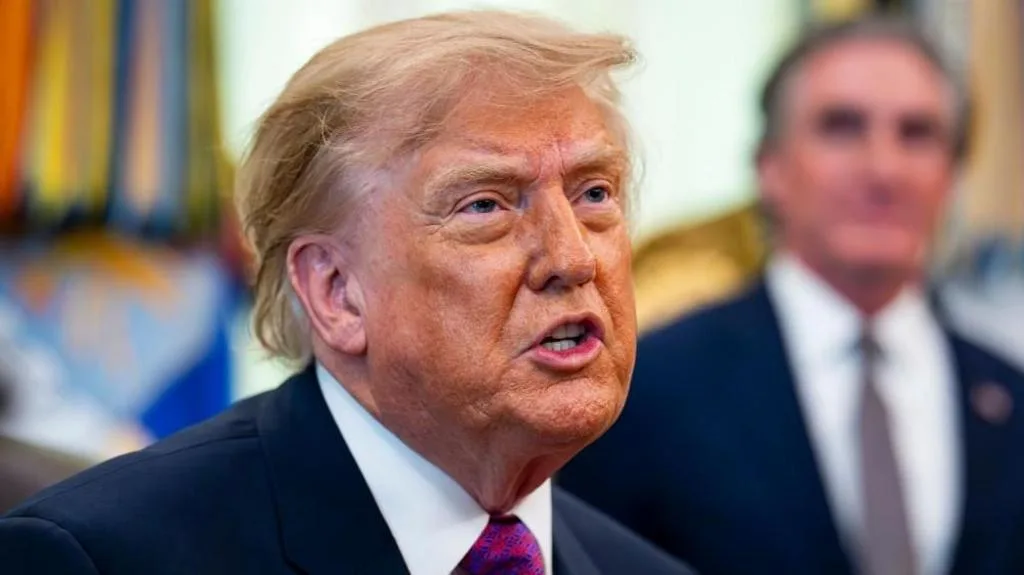
The Venezuela oil deal, according to US President Donald Trump, would give Washington a framework to control more than 65 billion barrels of the country's proven reserves. Trump argued the move could more than double US oil reserves and help push gasoline prices lower.
Delcy Rodríguez, who serves as Venezuela's interim head of state, said the agreement would remain in force for 25 years. According to Rodríguez, the deal includes a development plan for 17 strategic fields and aims to raise crude output to 1.5 million barrels a day, attract more than $100 billion in investment and generate more than $209 billion in tax revenue for the country.
Partnership structure and financing
A US official who spoke to the BBC said the joint venture would give the US government a 55% stake and would work with a private operator with experience in Venezuela. The same official said a 100-year concession had been granted to operate the fields, while Trump claimed the deal would not create any extra cost for American taxpayers.
Why are markets cautious?
Although the economic scale of the agreement looks large, the official text has not been published and questions remain about its legal basis. Venezuelan opposition figure Henrique Capriles and energy advisers say political uncertainty, weak power infrastructure and limited export capacity could slow the pace of investment.
Short-term price impact
- Analysts say the deal may not meaningfully increase global oil supply next month or even next year.
- Most of Venezuela's reserves are heavy, high-sulfur crude, which is harder to refine and may therefore have no direct effect on US gasoline prices.
Energy lawyer Alexander Kuiper said,
"This is definitely a headline that will help oil prices". But experts stress that turning reserve size into actual production will require infrastructure upgrades and a long-term flow of capital.
What it could mean for Venezuela's economy and the sector
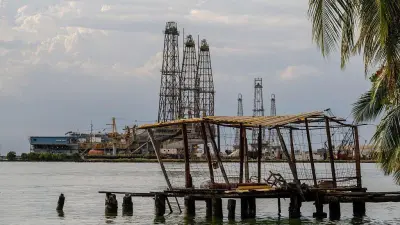
Venezuela stands out as the country with the world's largest oil reserves, at about 303 billion barrels of proven resources. Even so, output has fallen far below its late-1990s peak because of tight state control over the national oil company and the impact of US sanctions.
According to the Wall Street Journal, Chevron and Halliburton are also in talks about multi-billion-dollar investments to modernize the country's oil infrastructure. As a result, the real test of the deal will be less about short-term price moves and more about whether Venezuela can rebuild production capacity and how quickly it can add supply to the international market.
"""




Comments (0)
No comments yet. Be the first to comment.
Write a Comment
Yorum yazmak için giriş yapın. Üyelik ücretsiz; yorumunuz editör onayından sonra yayımlanır.