
How did the vote reduce shutdown risk?
A stopgap spending bill that delayed the risk of a U.S. government shutdown passed the House of Representatives on Tuesday by 370 to 48. The measure, which had already cleared the Senate in August, extends federal agency funding through Dec. 11. The bill has been sent to President Donald Trump for his final signature.
Without the legislation, federal funding would have run out on Sept. 30, the final day of the fiscal year. The vote was therefore seen as a crucial step in preventing a short-term gap in the public spending calendar. It also limited uncertainty in Congress ahead of the 2026 midterm elections.
- The stopgap bill preserves federal spending levels through Dec. 11.
- The measure is intended to prevent a funding lapse after Sept. 30.
- The legislation still needs presidential approval to take effect.
How was bipartisan support secured?
House leaders brought the bill to the floor under a procedure known as “suspension of the rules.” While the method helps bypass some procedural hurdles, it requires a two-thirds majority to pass. With Republicans holding only a narrow majority, they needed Democratic votes to get it through.
In the end, the package received broad bipartisan backing. In the vote, 19 Republicans and 29 Democrats opposed the bill. House Speaker Mike Johnson argued that the process was used to prevent a government shutdown and avoid disruptions to federal payments.
Republican objections and the next budget fight
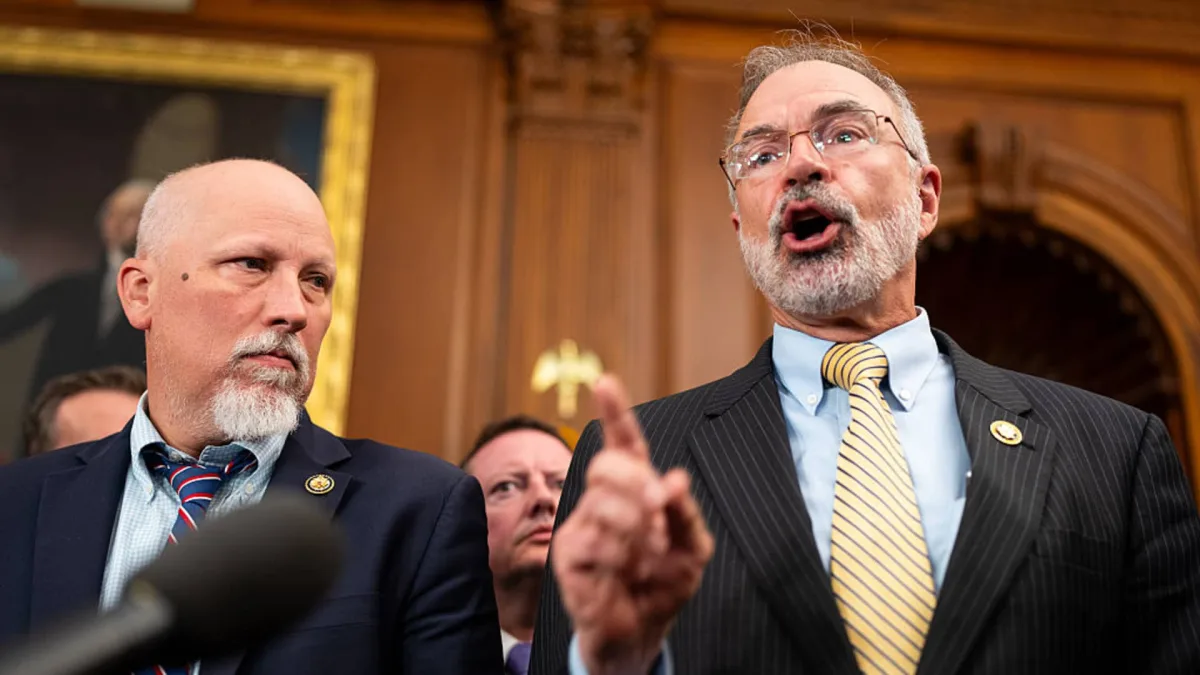
Before the vote, some hard-line conservatives in the House Freedom Caucus objected both to the contents of the bill and to the way it was being handled. Texas Republican Chip Roy opposed the measure, saying the stopgap bill would keep funding flowing to Planned Parenthood and did not include a ban on hemp products containing THC.
Freedom Caucus Chairman Andy Harris said he would vote against the rest of the Republican agenda this week because of the bill. But Democratic support was enough to prevent internal party opposition from changing the outcome.
Election timetable and fiscal talks
The decision came as lawmakers prepared to return to their districts and step up campaign activity ahead of the 2026 midterm elections. Senate Appropriations Committee Chair Patty Murray welcomed the vote and said tougher talks over final spending bills would lie ahead in the coming months. That means the period through Dec. 11 offers only a temporary reprieve.
"""





Comments (0)
No comments yet. Be the first to comment.
Write a Comment